Types of Poster Printing: Which Option Fits Your Campaign?

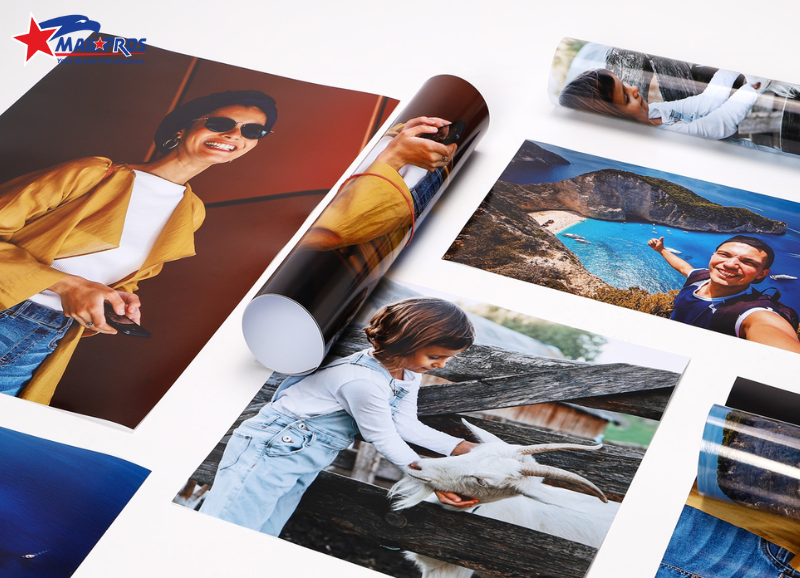
Physical posters give local businesses a fixed presence in storefronts, waiting rooms, trade show booths, and community spaces. Results depend on more than artwork. Quantity guides the process, location guides the material, and lighting guides the finish.
The main types of poster printing are digital, offset, wide-format inkjet, and screen printing. Digital suits short or versioned runs, offset becomes relevant at higher quantities, and wide-format equipment handles oversized displays. Screen printing serves distinctive, limited-color artwork. A professional poster service should review these factors before production.
Quick Selection Guide
Start With Five Project Facts
Define the quantity, finished size, viewing distance, location, and required lifespan first. A short-run indoor promotion and a month-long outdoor display may share artwork, but they require different materials and finishing plans.
Compare the Best Production Options
| Campaign need | Suitable option | Main reason |
|---|---|---|
| Short run or several design versions | Digital printing | Low setup requirements and efficient file changes |
| Large quantity of one design | Offset printing | Consistent reproduction and better unit economics at volume |
| Oversized indoor display | Wide-format printing | Large output sizes and several roll-fed media choices |
| Limited-edition graphic poster | Screen printing | Dense color and a distinctive ink texture |
| Outdoor or moisture-prone placement | Synthetic media or vinyl | Better moisture resistance than ordinary paper |
| Freestanding indoor display | Mounted poster | Rigid backing helps the print remain flat |
| Lead-generation display | Rip hanger | Detachable information gives viewers a clear next step |
Artwork complexity, installation, budget, finishing, and delivery requirements may change the final recommendation.
Four Printing Methods Explained
Digital Printing for Short and Versioned Runs
Digital poster printing sends artwork directly to a production press without requiring plates. Reduced setup suits modest quantities, short deadlines, and campaigns containing several versions. Restaurants can vary daily offers, while real estate offices can change properties, prices, agents, or open-house dates. Smaller test runs also allow a business to compare two offers before expanding the stronger version.
Offset Printing for High-Volume Campaigns
Offset production transfers an image from a plate to a rubber blanket and then to the sheet. Plate preparation adds setup, but unit costs can become more competitive for a large quantity of one design. The consistency suits retail rollouts, franchise promotions, and multi-location campaigns. Spot-color workflows may also help reproduce a specified brand color. Request both digital and offset pricing when the order falls between a short run and a major rollout.
Wide-Format Printing for Oversized Displays
Wide-format, also called large-format printing, produces oversized visuals on roll-fed paper, synthetic media, adhesive film, or vinyl. It suits 18 × 24-inch and 24 × 36-inch displays, plus supported custom sizes. Keep logos and type vector-based when possible. Check photographs at their effective resolution because enlarging a web image cannot restore missing detail.
Screen Printing for Specialty Graphics
Screen printing pushes ink through a mesh stencil, normally using one screen per color. Dense coverage and noticeable texture suit concert graphics, limited-edition art, and small color palettes. Photographs, frequent copy changes, and numerous colors usually favor another method.
Match the Poster Format to Its Job
The types of poster printing explain production. Poster formats explain how the finished piece will function. Keeping those decisions separate prevents material and display problems.
Standard Marketing Posters
Standard paper posters support sales, menus, events, and seasonal promotions. Flexible text-weight stock works on flat surfaces, while cover stock adds body for handling. Measure every display area before designing a multi-location campaign.
Rip Hangers and Tear-Off Posters
A rip hanger combines a visible offer with detachable contact details, a coupon code, or a short URL. It suits cafes, campuses, libraries, and community boards. Keep the main message readable from a distance and repeat the action on every tab. Unique codes make rip hanger printing measurable by location.
Mounted and Rigid Posters
Foam board and other rigid substrates keep indoor displays flat on easels, counters, and wall systems. They suit presentations, menus, temporary signs, and trade show graphics. Mounting adds structure but does not make a print waterproof.
Outdoor Posters
Ordinary coated paper is not intended for rain or extended sun exposure. Outdoor displays may require synthetic stock, adhesive vinyl, lamination, or another weather-suitable construction. Provide details about rain, sunlight, wind, mounting, and display period. Recommendations should reflect those conditions, not an unsupported lifespan promise.
Choose the Finish Around the Lighting
Gloss for Image-Led Promotions
Gloss strengthens contrast and gives photographs a polished appearance. It suits product, food, and entertainment imagery. Window glass and overhead fixtures can create reflections, making gloss less suitable for text read from several angles.
Matte for Clearer Reading
A matte surface reduces reflections and keeps copy legible under direct lighting. It suits schedules, instructions, notices, and other text-led displays.
Satin for a Balanced Surface
Satin or semi-gloss retains color depth with less glare than high gloss. It suits layouts combining photography with important copy. Test a comparable sample in the display area before ordering.
Connect Posters With Direct Mail
Keep the Campaign Recognizable
Posters and mail pieces can support one local promotion across two physical touchpoints. Keep the headline, colors, offer, deadline, and landing page consistent. Adapt each layout to its viewing distance because a postcard is examined closely, while a poster must communicate within seconds.
Track Each Channel Separately
Assign each channel a dedicated QR code, URL, phone extension, or offer code. Coordinated direct mail marketing becomes measurable when the business can compare poster locations, mailed audiences, and offers using separate response data.
Prepare the File and Order Details
Check the Artwork Before Uploading
- Build the document at the final trim size or at the exact scale requested by the printer.
- Extend backgrounds and edge-to-edge images into the required bleed area.
- Keep logos, contact details, QR codes, and important copy inside the designated safe area.
- Use CMYK values or the color workflow specified by the provider. Request a proof when color accuracy matters.
- Export a print-ready PDF with fonts embedded or outlined when instructed.
- Check raster images at effective resolution. List 300 dpi at final size for press work and a 150 dpi minimum for large-format pieces, though equipment and viewing distance can change the requirement.
Confirm Production Details in Writing
Record the size, quantity, material, finish, mounting method, deadline, and installation conditions. Scan QR codes from a printed proof at the expected distance. Verify dates, prices, phone numbers, and URLs before approval.
Frequently Asked Questions
What Is the Best Printing Method for Posters?
Digital suits short or changing runs. Offset may cost less per piece at high volume. Wide-format handles oversized displays, while screen printing serves limited-color specialty graphics.
What Are the Most Common Business Poster Sizes?
Common U.S. sizes include 11 × 17, 18 × 24, and 24 × 36 inches. Measure the installation space and confirm available sizes before completing the artwork.
Should a Business Poster Be Matte or Glossy?
Choose matte for readability under bright light. Use gloss for image-led work where reflections can be controlled. Satin balances color depth with lower glare.
What Resolution Is Required for a Large Poster?
Evaluate resolution at final size. Press files commonly target 300 ppi, while large-format providers may accept 150 to 300 ppi based on equipment, material, and viewing distance.
How Can a Poster Be Protected Outdoors?
Use a material and ink system intended for the exposure. Provide the printer with the weather conditions, mounting method, and required display period.
To Sum Up
A successful poster begins with a defined job: attract foot traffic, announce an event, generate inquiries, or reinforce a local campaign. Quantity guides the production method, the environment guides the material, and lighting guides the finish.
Visit Mail Pros USA to review professional printing and direct mail support. Then request a free quote with the size, quantity, placement, deadline, and artwork details. A complete brief allows the production team to recommend a suitable option and price the order accurately.