How Postcard Marketing Builds Brand Awareness and Customer Loyalty

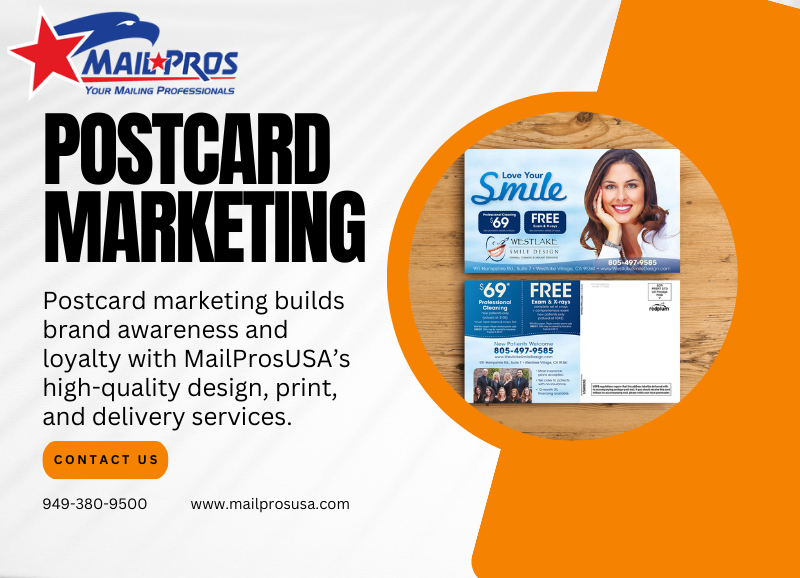
Digital promotions disappear quickly. A social post moves down the feed, a display ad is ignored, and an email can be deleted before its message is understood. Postcard marketing gives businesses another way to earn attention. It places a clear, branded message directly in a customer’s hands, where it can be seen, saved, shared, or used later.
The value of a postcard is not limited to a one-time sale. A well-planned campaign can improve brand recognition, support customer retention, and create repeat contact. Strong results come from matching the audience, offer, design, timing, and follow-up to one business goal.
Why Postcard Marketing Supports Brand Growth?
A postcard presents the headline, image, offer, and business name without requiring the recipient to open an envelope or click a link. That visibility is useful for local businesses, retailers, healthcare practices, real estate professionals, and service providers.
Direct mail postcards can support a longer customer journey. The first mailing creates awareness, a later mailing reinforces recognition, and a relevant follow-up encourages action.
How Postcards Build Brand Awareness?
Physical Presence Supports Recognition
A printed postcard occupies real space. It may remain on a counter, desk, bulletin board, or refrigerator after delivery, giving the recipient more than one opportunity to notice the business and offer.
The card should make the brand easy to identify at a glance. Use the same logo, colors, type style, photography, and tone found on the website and other marketing materials. Consistency helps customers connect each message with the same business.
Professional postcard printing can help preserve clear text, accurate colors, readable images, and a polished finish that supports brand credibility.
Repetition Creates Familiarity
One postcard may introduce the brand, but a planned sequence builds stronger recognition. A home services company might send a seasonal reminder, an offer, and a final appointment prompt. A retailer might announce a collection, send a customer-only discount, and later promote an event.
Keep the visual identity stable while changing the reason to respond. Start with a three-mailing sequence across several weeks, track each drop, and improve the next message.
How Postcards Strengthen Customer Loyalty?
Relevant Messages Make Customers Feel Recognized
Customer loyalty grows when communication reflects a real need, purchase history, location, or stage in the relationship. Examples include a service reminder, a thank-you offer after a first purchase, an invitation for nearby residents, or a win-back incentive for inactive customers.
Personalization can be as simple as using the recipient’s name or as detailed as matching the offer to a customer segment. The goal is relevance, not excessive personal detail. Businesses using targeted mailing lists can narrow a campaign by geography, household characteristics, business type, or other practical audience criteria.
Appreciation Campaigns Support Retention
Not every postcard should push an immediate sale. Thank-you cards, loyalty rewards, referral invitations, anniversary messages, and customer appreciation offers can strengthen the relationship after a purchase.
Make the benefit specific. Replace a vague statement such as “We appreciate your business” with early access, a customer-only discount, a complimentary upgrade, or a useful service reminder.
Postcard marketing becomes more valuable when it supports the full customer lifecycle. Acquisition brings new buyers into the business. Retention keeps the relationship active. Re-engagement gives inactive customers a reason to return.
A Practical Postcard Campaign Framework
Start With One Measurable Objective
A postcard should have one primary job. It may generate appointments, promote an event, drive website visits, increase store traffic, reactivate customers, or build awareness in a new service area.
Choose the objective before writing the headline. A measurable goal might be a set number of quote requests, coupon redemptions, landing-page visits, or calls from selected ZIP codes.
Match the Mailing Method to the Audience
The best distribution method depends on how precisely the audience must be selected.
Every Door Direct Mail services are useful when a business wants broad coverage across selected neighborhoods or carrier routes. This can suit restaurants, gyms, home services, retail stores, and community events.
A targeted list is better when the campaign depends on specific customer characteristics, such as homeownership, location, industry, customer status, or previous buying behavior.
Avoid choosing the largest audience by default. A better-matched list often produces more useful data and less wasted printing.
Write for Fast Scanning
Most recipients decide quickly whether a postcard deserves more attention. Use a short headline, one supporting message, a relevant image, and a visible next step.
A strong postcard should answer four questions:
- What is being offered?
- Why is it relevant?
- What should the recipient do?
- When should the action be taken?
Remove text that does not help answer one of these questions. Clear writing is more persuasive than crowded copy.
Use an Offer With Real Value
An effective offer gives the recipient a practical reason to respond. It may include a fixed discount, free consultation, bundled service, complimentary estimate, event registration, loyalty reward, or limited-time upgrade.
State the expiration date, eligibility, location limits, and redemption method clearly. Avoid promises the business cannot consistently fulfill.
Test one major element at a time. Compare two offers, headlines, images, or calls to action using similar audience groups. Changing only one element makes the result easier to interpret.
Connect Print With a Trackable Response Path
Postcard advertising should lead to a destination designed for the campaign. A focused landing page, booking page, quote form, product page, or location page creates a shorter path to action than a general homepage.
Use a unique QR code, promo code, phone number, or campaign URL for each mailing. MailProsUSA provides guidance on using variable QR codes to connect printed pieces with measurable online actions.
Before mailing, test every code, number, form, and landing page on desktop and mobile. A strong postcard cannot recover a response lost to a broken link.
Common Postcard Marketing Mistakes
The first mistake is trying to communicate too much. Several offers, long service lists, small text, and competing images make the card difficult to understand.
The second is poor audience selection. A strong design sent to people with little need for the offer will not create efficient results.
The third is inconsistent branding. If the postcard looks unrelated to the website or storefront, the recipient may not recognize the business after taking the next step.
The fourth is mailing once and judging the entire channel from that result. Brand awareness and customer loyalty usually require planned, relevant contact over time.
The fifth is failing to track response. Without a dedicated code, URL, number, or form, the business cannot compare audiences, offers, or mailing dates accurately.
How to Measure Postcard Campaign Performance?
Begin with the response metric tied to the objective, such as calls, scans, form submissions, coupon uses, appointments, visits, or purchases.
Then calculate the cost per response and cost per acquired customer. Compare results by audience segment, ZIP code, offer, design version, and mailing date. Revenue matters, but customer quality also matters. A campaign that produces fewer high-value repeat customers may outperform one that creates many low-intent responses.
Record the findings after each mailing. Over time, this creates a campaign history showing which audiences, offers, formats, and schedules perform best.
Frequently Asked Questions
Is postcard marketing still effective in 2026?
Yes. Postcards remain useful when the audience is well selected, the message is relevant, and the response path is easy to track. Their value comes from visibility, physical presence, local targeting, and the ability to connect print with digital action.
How often should a business send marketing postcards?
The right frequency depends on the buying cycle and campaign purpose. A three-part sequence across several weeks is a practical test for many promotions. Service reminders, seasonal offers, and loyalty messages should follow customer need.
What should be included on a marketing postcard?
Include a benefit-focused headline, concise supporting copy, recognizable branding, a relevant image, one clear call to action, contact details, and necessary offer terms. Add a trackable response method whenever possible.
Is EDDM or a targeted mailing list better?
EDDM is better for broad neighborhood coverage when most households could use the offer. A targeted list is better when homeownership, location, industry, customer status, or another specific factor affects relevance.
How can postcard marketing improve customer loyalty?
Postcards can support loyalty through thank-you messages, rewards, personalized offers, service reminders, referral incentives, and win-back campaigns. The strongest retention campaigns provide timely value instead of repeating sales messages.
Wrapping It Up
Postcard marketing can do more than announce a sale. It can introduce a brand, reinforce recognition, reward existing customers, recover inactive buyers, and create measurable repeat business. Success depends on disciplined targeting, consistent design, useful offers, reliable tracking, and a follow-up plan.
MailProsUSA helps businesses coordinate postcard design, printing, mailing lists, campaign preparation, and delivery support for local and nationwide campaigns. Define the audience, offer, quantity, and desired response, then request a campaign plan built around one measurable goal. Start with a focused test, track every response, and use the findings to build a stronger second mailing.