
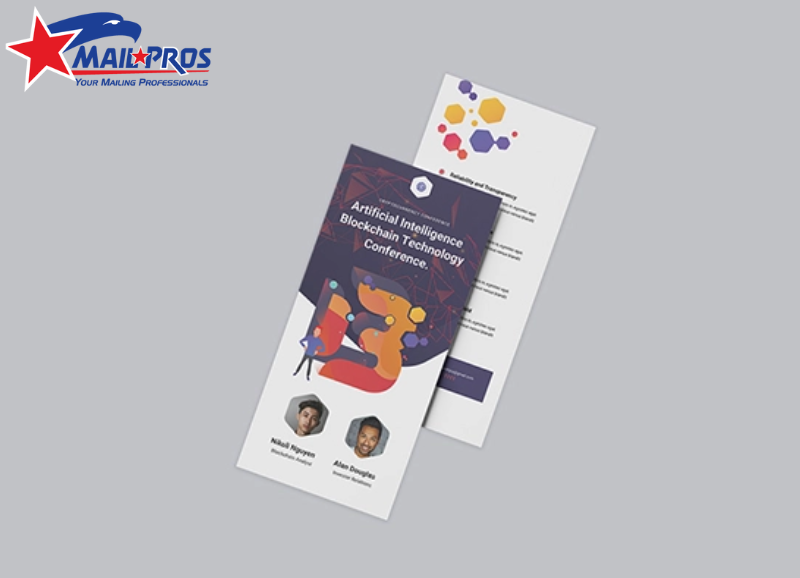
We have all stood in a hotel lobby or a visitor center and stared at a crowded wall of brochures. Dozens of colorful cards compete for attention, yet our eyes usually drift toward just one or two specific designs before we reach out and grab them. That split-second decision determines whether a business gains a new customer or remains unnoticed in the background. As print marketing professionals, we see business owners struggle with this challenge daily, often because they design for a computer screen rather than the physical environment where the card lives.
Creating a marketing piece that survives the scan test requires more than just a logo and a phone number. We understand that your budget needs to yield a tangible return on investment, and a poorly designed card simply becomes waste paper. When you invest in professional rack card printing, you need a strategy that compels prospects to take action. In this guide, we will break down exactly how we approach design to ensure your cards leave the rack and enter your customers’ pockets.
The Top Third Rule: Winning the First Glance
The most common mistake we encounter involves placing crucial information in the middle or bottom of the design. In almost every distribution scenario, rack cards sit inside tiered holders that obscure the bottom two-thirds of the paper. If your headline, logo, or primary hook sits below that three-inch mark, no one will ever see it. You must treat the top three inches of your card as a billboard that operates independently from the rest of the design.
We advise clients to place their strongest headline and most captivating image right at the top. This section must scream value immediately. If you run a kayak rental service, a photo of a smiling family on the water should fill that top space, accompanied by a bold headline like Experience the River Today. We always ensure the text contrasts sharply with the background image so it remains readable from a few feet away.
Designing for Clarity Over Clutter
Business owners often feel the urge to fill every square inch of white space with information. We understand the desire to tell your full story, but overcrowding leads to cognitive overload. When a potential customer sees a wall of text, they usually skip it in favor of something easier to process. We encourage you to embrace white space as a design element that guides the eye toward what matters most.
Keep your bullet points short and limit them to three or five key benefits. We find that odd numbers of items generally look more appealing in a layout. Instead of listing every technical specification of your service, focus on the emotional benefit or the problem you solve. A clean, uncluttered layout suggests that your company is organized, professional, and easy to work with.
Visual Hierarchy and Imagery
Humans process visual data 60,000 times faster than text. Because of this, the quality of your imagery will make or break your campaign. We often receive files with low-resolution photos taken on older smartphones, and we have to have difficult conversations about print quality. A blurry or pixelated image signals to your customer that you cut corners, which immediately lowers their trust in your brand.
We recommend using a single, high-impact hero image rather than a collage of small, indistinguishable photos. This focal point should evoke an emotion or demonstrate the result of using your service. If you operate a spa, show a relaxed client, not just a picture of an empty massage table. We want the viewer to visualize themselves enjoying the benefits of your business the moment they look at the card.
Typography and Readability
Your font choices play a massive role in conversion rates. While decorative script fonts might look elegant on a wedding invitation, they often become unreadable on a rack card, especially from a distance. We stick to clean, bold sans-serif fonts for headlines to ensure maximum legibility. We use serif fonts for body text only when we want to convey a sense of tradition or high-end luxury, but we always ensure the size is large enough to read without squinting.
We also pay close attention to color contrast. Placing grey text on a white background or yellow text on a red background often strains the eyes. We test every design by printing a sample and placing it on a desk five feet away. If we cannot read the main headline instantly, we tweak the typography until it pops. This practical approach ensures your message survives the real-world environment.
The Tactile Experience: Paper Stock Matters
Design extends beyond ink on paper; it includes how the card feels in the hand. When someone picks up a flimsy piece of paper, they subconsciously associate it with low value. Conversely, a thick, sturdy card implies substance and reliability. We often compare this to Postcard Printing, where the stiffness of the card stock helps the piece survive the journey through the mail. The same logic applies to rack cards that handle frequent shuffling and handling by tourists.
We generally suggest a 14pt or 16pt card stock with a protective finish. A UV gloss coating can make colors vibrant and protect against fingerprints, while a matte finish offers a sophisticated, modern feel that is easier to read under bright lobby lights. We help you choose the finish that aligns with your brand personality because the physical touch is the first interaction a customer has with your business.
Crafting a Compelling Offer and CTA
A beautiful card without a clear instruction is just a decoration. We see many businesses forget to tell the customer exactly what to do next. Your Call to Action (CTA) needs to be undeniable. Phrases like Call Us are weak. We prefer action-oriented commands such as Book Your Free Consultation Today or Scan to Save 20% Instantly.
To drive conversions, we recommend including a tangible offer directly on the card. This could be a coupon code, a free appetizer, or a discount on admission. This turns the rack card into a valuable currency that the customer wants to keep. We often see that cards with perforated tear-off coupons perform exceptionally well because they give the customer a physical reason to hold onto the advertisement.
Integrating Print with Digital Strategy
Print and digital marketing work best when they support each other. We no longer view rack cards as standalone tools but as gateways to your online ecosystem. We utilize QR codes to bridge the gap between the physical and digital worlds. However, simply linking to your homepage is a missed opportunity. We direct these codes to specific landing pages that match the offer on the card.
Tracking the effectiveness of offline marketing can be tricky, but we solve this by using unique tracking URLs or specific phone numbers for the rack card campaign. This allows us to see exactly how rack cards boost customer acquisition by measuring the traffic and conversions generated specifically from that print run. This data helps us refine future designs and improve your return on investment over time.
Conclusion
Designing a high-converting rack card requires a blend of psychological insight, artistic skill, and practical knowledge of print materials. We believe that every business deserves marketing materials that work as hard as they do. By focusing on the top-third rule, using high-quality visuals, choosing the right paper stock, and crafting a strong call to action, you position your brand to win the attention it deserves.
We encourage you to look at your current marketing materials with fresh eyes. Do they stand out, or do they blend in? If you are ready to elevate your offline marketing strategy with professional design and premium printing, MailProsUSA is here to help you create cards that truly convert. Let’s create something that gets picked up, kept, and acted upon.