
How to Measure Success in a Political Direct Mail Campaign

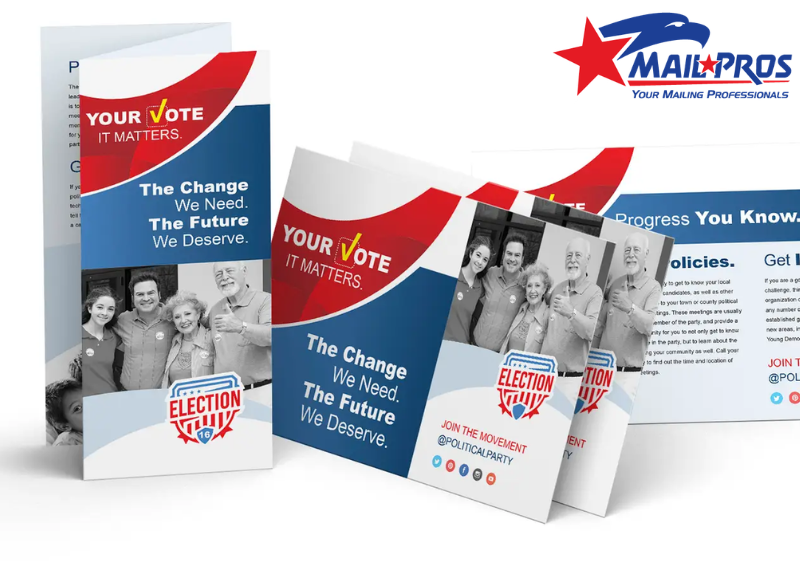
Political campaigning is highly competitive, and direct mail continues to stand out as one of the most effective ways to connect with voters on a personal level. Unlike digital advertisements that are often ignored or quickly skipped, physical mail captures attention, builds credibility, and delivers a message that voters can hold, read, and remember. Despite its strong impact, the real challenge is not just running a campaign but accurately measuring its success and overall effectiveness.
Evaluating performance plays a crucial role in improving strategy, refining messaging, and ensuring that every dollar spent leads to meaningful voter engagement. A well-planned political direct mail campaign has the potential to shape opinions, boost voter turnout, and enhance candidate recognition, but its true value can only be understood when results are carefully tracked and analyzed using the right metrics and methods.
Understanding Campaign Objectives
Defining Clear Goals

Every successful political campaign starts with a clearly defined objective that guides all strategic decisions and execution efforts. Whether the aim is to boost voter turnout, strengthen candidate recognition, or influence public perception on a key issue, setting measurable goals is essential for tracking real progress. Without a structured direction, even the most visually appealing and creatively written mail pieces may fail to produce meaningful outcomes. Clear objectives allow campaign managers to evaluate performance accurately and make data-driven adjustments when necessary. In a competitive environment, having well-defined goals ensures that every effort contributes toward achieving tangible and impactful results.
Aligning Messaging with Voter Intent
Once campaign objectives are clearly outlined, the next critical step is aligning the messaging with the needs, expectations, and concerns of the target audience. Voters are more likely to engage with content that reflects their values, priorities, and real-life challenges, making message relevance a key success factor. When campaigns are designed with voter intent in mind, they naturally create stronger emotional connections and higher response rates. This alignment ensures that the message does not just reach the audience but resonates deeply enough to inspire action. Ultimately, well-aligned messaging increases both recall and trust, making the campaign significantly more effective.
Key Metrics That Matter
Response Rate Analysis
Response rate is one of the most reliable indicators when evaluating the effectiveness of a campaign. It measures how many recipients took a specific action after receiving the mail, such as visiting a website, scanning a code, making a phone call, or attending an event. This metric provides immediate feedback on how engaging and persuasive the campaign message is for the audience. A higher response rate typically signals that the content, design, and targeting strategy are working well together. By closely monitoring response rates, campaign teams can identify which elements are driving engagement and refine their approach for even better performance.
Conversion Tracking
While response rates show initial engagement, conversion tracking provides deeper insight into whether the campaign is achieving its ultimate goals. Conversions can include actions like voter registrations, donations, volunteer sign-ups, or confirmed support for a candidate. These outcomes represent meaningful progress and demonstrate the campaign’s real impact beyond surface-level interaction. Tracking conversions helps campaign managers understand the effectiveness of their messaging and targeting strategies in driving tangible results. By focusing on conversions, campaigns can ensure they are not just attracting attention but also influencing decisions and behavior in a measurable way.
Audience Targeting Effectiveness
A campaign’s success heavily depends on how accurately it reaches the intended audience, making targeting one of the most critical components. Sending messages to the wrong group not only wastes valuable resources but also reduces the overall impact of the campaign. Effective targeting involves analyzing detailed data such as demographics, geographic location, voting history, and behavioral patterns to create highly refined mailing lists. This precision ensures that each message reaches individuals who are most likely to engage and respond positively.
When audience targeting is done correctly, campaigns experience higher engagement rates, improved message retention, and stronger overall outcomes. It also allows for more personalized communication, which significantly increases the chances of influencing voter behavior. Evaluating targeting effectiveness helps identify gaps and opportunities for improvement, ensuring that future campaigns become even more efficient and impactful.
Message Resonance and Content Impact
Emotional Appeal vs Informational Value
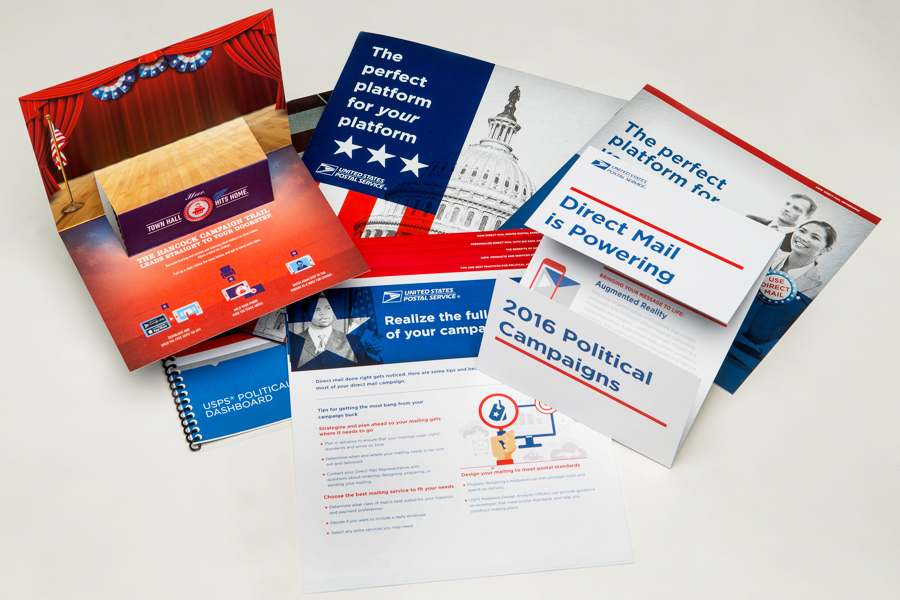
The effectiveness of any direct mail piece largely depends on how well it balances emotional storytelling with factual information. Emotional appeal can capture attention quickly and motivate recipients to take action, while informative content builds credibility and trust over time. A successful campaign finds the right mix of both elements to create a compelling and persuasive message. By testing and analyzing different approaches, campaign teams can determine which style resonates most with their audience.
Understanding this balance allows campaigns to craft messages that not only engage but also influence decision-making. Emotional connections often drive immediate responses, while factual clarity ensures long-term trust and credibility. Measuring the impact of these elements helps refine content strategies and improve overall campaign performance.
Call-to-Action Performance
A well-crafted call-to-action (CTA) is essential for guiding recipients toward the desired outcome and turning interest into measurable results. Whether the goal is to encourage voting, generate donations, or drive website visits, the CTA must be clear, compelling, and easy to follow. Its effectiveness can be evaluated through both response rates and conversion data, providing valuable insights into audience behavior. A strong CTA eliminates confusion and gives recipients a clear next step to take.
When CTAs are optimized, they significantly increase engagement and improve overall campaign efficiency. Testing different wording, placement, and design elements can help identify what works best for a specific audience. Ultimately, an effective CTA transforms passive readers into active participants, making it a crucial element in campaign success.
Timing and Frequency Evaluation
Timing plays a vital role in determining whether a campaign message reaches voters at the right moment for maximum impact. Sending mail too early may result in the message being forgotten, while sending it too late may not give recipients enough time to respond or take action. Careful analysis of campaign timelines and voter behavior helps identify the most effective delivery window. This ensures that messages are received when they are most relevant and likely to influence decisions.
Frequency is equally important in maintaining consistent engagement without overwhelming the audience. Repeated exposure helps reinforce messaging and build familiarity, but excessive mailings can lead to fatigue and reduced interest. Finding the right balance between timing and frequency allows campaigns to stay visible while maintaining a positive perception among voters. This balance ultimately enhances both engagement and overall effectiveness.
Cost Efficiency and ROI Measurement
Budget Allocation Insights
Managing campaign expenses effectively is essential for maximizing results while staying within budget constraints. Understanding how funds are allocated across various components, such as design, printing, distribution, and data analysis, helps identify areas where improvements can be made. Each investment should contribute to measurable outcomes that align with campaign objectives. Careful budget analysis ensures that resources are used efficiently and strategically.
By evaluating spending patterns, campaign managers can optimize their approach and focus on high-performing areas. This not only reduces unnecessary costs but also improves overall campaign performance. Efficient budget allocation plays a key role in achieving better results without overspending.
Long-Term Value Assessment
Return on investment should not be measured solely by immediate results, as the true value of a campaign often extends beyond short-term gains. A successful campaign builds long-lasting relationships with voters, strengthens brand recognition, and lays the groundwork for future outreach efforts. These long-term benefits contribute significantly to overall campaign success and sustainability. Evaluating both immediate and future impact provides a more comprehensive understanding of performance.
By focusing on long-term value, campaigns can develop strategies that deliver consistent results over time. This approach ensures that every effort contributes to building trust, loyalty, and ongoing engagement with the audience. A well-rounded ROI analysis ultimately helps campaigns achieve lasting success and continuous improvement.
Data Tracking Tools and Techniques
Modern campaigns rely on advanced tools to track performance accurately. These include:
- Unique QR codes and personalized URLs (PURLs)
- Call tracking numbers
- Data analytics platforms
- Voter database integration systems
By leveraging these tools, campaigns can gather detailed insights into voter behavior, preferences, and engagement patterns. This data-driven approach ensures continuous improvement and more effective future strategies.
Common Mistakes to Avoid
Overlooking Data Integration

One of the most critical mistakes in evaluating campaign performance is failing to integrate data from multiple sources into a single, cohesive system. When campaign data is scattered across different platforms, it becomes difficult to form a complete picture of voter behavior and engagement patterns. This lack of consolidation often leads to missed insights that could otherwise guide smarter decisions. As a result, campaign managers may rely on incomplete or misleading information. Over time, this weakens strategy effectiveness and reduces the overall impact of the campaign.
Ignoring Audience Segmentation
Another major mistake is treating the entire voter base as a single, uniform group without considering their unique preferences and behaviors. This approach limits the ability to deliver personalized and relevant messages that truly resonate with different segments of the audience. Proper segmentation allows campaigns to tailor communication based on demographics, interests, and voting history. Without it, messaging becomes too generic and less engaging. Ultimately, ignoring segmentation leads to lower response rates and missed opportunities for deeper voter connection.
FAQs
What is the most important metric in a direct mail campaign?
The most important metric depends on campaign goals, but response rate and conversion rate are typically the most valuable. They indicate how many people engaged and took action. Together, they provide a clear picture of campaign effectiveness.
How can I track responses from direct mail?
Responses can be tracked using tools like QR codes, personalized URLs, and unique phone numbers. These methods allow campaigns to monitor engagement accurately. They also provide valuable data for future improvements.
How often should political mail be sent?
The ideal frequency depends on the campaign timeline and audience. Consistent but not overwhelming communication works best. Testing different schedules helps determine the optimal frequency.
Is direct mail still effective in modern campaigns?
Yes, direct mail remains highly effective because it offers a tangible and personal connection. It often achieves higher engagement compared to digital channels. Its credibility makes it a trusted source of information for voters.
How do I improve my campaign’s ROI?
Improving ROI involves refining targeting, optimizing messaging, and tracking performance closely. Reducing waste and focusing on high-impact strategies also helps. Continuous analysis ensures better results over time.
Conclusion
Measuring the success of a political direct mail campaign requires a strategic combination of clear objectives, accurate data tracking, and continuous optimization. By focusing on key performance indicators such as response rates, conversions, targeting accuracy, and ROI, campaigns can gain valuable insights into what works and what needs improvement. A data-driven approach not only enhances current efforts but also lays the foundation for future success.
For campaigns seeking a competitive edge, partnering with experts can make all the difference. MailProsUSA delivers high-impact, results-driven solutions that transform traditional outreach into powerful voter engagement tools. With proven expertise and innovative strategies, MailProsUSA ensures that every political direct mail campaign achieves maximum effectiveness, helping candidates connect, influence, and win.