Guide to Choose the Best 3PL Fulfillment Service for Small Business

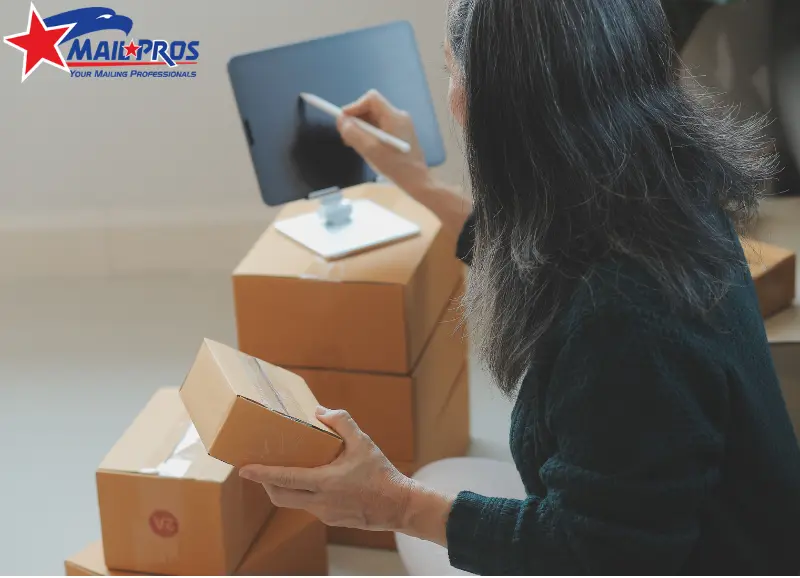
Most small businesses do not start out thinking about warehouses, packing rules, return bins, or carrier cutoffs. In the beginning, someone prints a label, grabs a box, adds the product, tapes it up, and sends it out. It works because the order count is still small enough to manage by hand.
The pressure comes later. Orders arrive from the website, social campaigns, repeat buyers, and maybe a few wholesale accounts. Shelves get crowded. A product is in stock on the website but missing from the storage area. A customer says tracking has not moved. Another order needs a replacement because the wrong item was packed during a busy afternoon.
That is the moment when 3PL fulfillment stops being a fancy operations term and starts becoming a practical business need. A good partner does not just ship boxes. It helps the business keep products organized, pack orders correctly, send tracking on time, and avoid the daily confusion that slows down growth.
The best 3PL fulfillment service for a small business is not always the largest warehouse network. Many small brands need a partner that understands moderate order volume, careful packing, printed inserts, customer kits, local campaigns, and the reality of growing without a full operations team.
What is 3PL Fulfillment?
3PL Fulfillment means a business uses an outside company to store products and ship orders after customers buy. The work can include receiving inventory, checking counts, placing products in storage, picking items, packing boxes, creating labels, sending tracking, and handling returns.
For a small business, the real value is relief from daily shipping pressure. When 3PL Fulfillment is set up properly, the owner does not have to guess where stock is, pack late at night, or stop sales work just to fix a pile of shipping problems.
The Point Where In House Shipping Starts To Break

Time Loss
Packing one order is easy. Packing fifty while answering emails, checking stock, and fixing yesterday’s delivery issue is different. This is where fulfillment services can help because the work moves from a scattered routine into a warehouse process built for repeated daily orders.
Customer Trust
Customers may not see your warehouse, but they feel the results. A late package, missing insert, damaged item, or wrong size tells them the business is not fully in control. 3PL Fulfillment helps protect that trust by giving each order a cleaner path from shelf to doorstep.
A small brand should start paying attention when these problems show up:
- Orders leave later than promised.
- Stock counts are no longer trusted.
- Packing takes time away from sales.
- Returns sit too long before review.
- Packaging looks different from order to order.
- Customers keep asking for basic tracking updates.
What A Good Partner Actually Does Behind The Scenes?
Stock Control
A fulfillment 3PL should know what arrived, where it was placed, what sold, and what is running low. That sounds basic, but it is where many mistakes begin. If inventory is not accurate, the business can sell items that are already gone.
Packing Details
Packing is not only about putting a product in a box. The right mailer, filler, label, insert, and bundle check can change how the customer feels when the package arrives. 3PL Fulfillment works best when those details are written clearly before inventory reaches the warehouse.
A useful partner should be comfortable with product receiving, shelf organization, barcode checks, low stock alerts, branded inserts, bundle packing, return inspection, and carrier selection. If those areas feel vague during the first conversation, they usually become harder once real orders start moving.
Comparing Providers Without Being Pulled In By A Low Quote
Full Cost
A cheap pick fee can look attractive until the invoice includes storage, receiving, materials, account support, returns, and special project charges. Good 3PL fulfillment companies should make pricing clear enough that a small business can estimate the monthly cost without guessing.
Human Support
Software matters, but software does not calm a customer who received the wrong package. The best 3PL services offer a real support path when an order needs attention. A business should know who answers questions, how fast they reply, and what happens when something goes wrong.
Before signing, ask about the charges that usually change the final bill. Receiving inventory, storage, pick and pack work, packaging materials, returns, special kitting, account support, and inventory removal should all be explained in plain language.
Matching Fulfillment To The Type Of Small Business
Ecommerce Stores
Online stores need orders to move from the sales platform to the warehouse without constant manual work. A practical 3PL for small business setup should update inventory, push tracking, and ship within clear cutoff times so the owner is not stuck checking every order by hand.
Campaign Based Brands
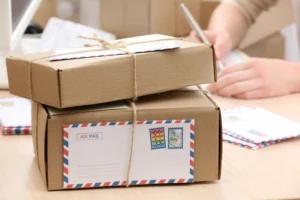
Some brands send more than regular product orders. They may send postcards, samples, catalogs, coupons, welcome packs, or customer kits. In that case, logistics services need to support the whole campaign, not just the parcel label.
This is where 3PL fulfillment supports scalable direct mail. If a business is sending printed pieces, samples, seasonal kits, or customer outreach packs, this guide explains how fulfillment support can make larger direct mail work easier to manage.
Local, Regional, And National Options
Wider Delivery Reach
A national network may make sense when customers are spread across the United States, and shipping zones matter. It can help with faster delivery in more regions, especially when a business has steady order volume and simple packing requirements.
Closer Service
A local or regional partner can be a better fit when the business needs careful handling, special inserts, smaller batch work, or direct communication. Some 3PL fulfillment companies are built for volume. Others are better for brands that need more attention to detail.
For many small businesses, the better question is not which provider is biggest. The better question is which provider can handle the real work without confusion. A brand shipping plain cartons every day has different needs from a business sending printed kits, retail samples, or seasonal campaign packs.
Contract Details That Are Easy To Miss
Written Standards
A third-party logistics provider should be able to explain cutoff times, accuracy targets, storage rules, damage reporting, returns, billing, and support before any stock is moved. If the details are unclear at the start, they rarely become clearer during a busy season.
Flexibility
Small businesses change quickly. A product can sell faster than expected. A slow month can reduce volume. A new campaign can add inserts, labels, or bundle rules. The contract should allow normal business changes without making every adjustment feel like a problem.
Ask these questions before sending inventory:
- How quickly are standard orders shipped?
- What happens when a product is damaged?
- Are returns checked before restocking?
- Can inserts and labels be stored?
- Who handles urgent order issues?
- What reports are included each month?
- How does the team handle peak season?
- How can inventory be removed if needed?
How Better Fulfillment Changes The Customer Experience?
Tracking And Delivery: Customers want proof that the order is moving. Clear order fulfillment gives them tracking on time and reduces the number of support messages asking for updates. It also makes the business feel more organized after the purchase, which matters for repeat sales.
Returns And Repeat Buyers: Returns are where weak systems become obvious. If a returned item sits in a corner for a week, stock counts become wrong, and customers wait longer than they should. Better 3PL fulfillment services help inspect, record, restock, replace, or report returns with less confusion.
A Practical Way To Choose The Right Partner
Test Before Moving Everything
A proposal can sound perfect, but a test order shows the truth. Send a small amount of stock, place a few trial orders, check the packing, review tracking updates, and process one return. A fulfillment 3PL that handles the test well is easier to trust with real volume.
Choose For Today And Tomorrow
The right 3PL fulfillment service should fit the business now and still make sense when sales grow. A practical 3PL for small business decisions should be based on accuracy, communication, pricing clarity, packing ability, and room for busy seasons.
Use a simple final check before choosing.
- Can the provider handle your product properly?
- Are reports easy to read?
- Are packaging rules followed? Are returns documented? Is pricing clear?
- Is support reachable?
- Do the shipping options make sense?
- Can the warehouse handle a stronger month without falling apart?
Common Asking Questions
Is 3PL Fulfillment Good For A Small Business?
Yes. It helps when packing takes too much time, stock counts are hard to trust, or customers are affected by late shipments. 3PL Fulfillment gives a small business more control without hiring a full warehouse team.
What Is The Difference Between A Warehouse And A 3PL?
A warehouse mainly stores products. A 3PL handles storage, picking, packing, shipping, tracking, returns, and related daily work. That makes it more useful for brands that need active shipping support, not only space.
How Much Does A Small Business Usually Pay For 3PL?
Cost depends on order volume, product size, storage space, packaging needs, return rate, and shipping method. A clear quote should be based on real order data, not rough guesses.
Can A 3PL Handle Branded Packaging And Inserts?
Yes. Many providers can manage branded boxes, labels, samples, inserts, and bundles. The business should confirm storage rules, packing procedures, setup fees, and material-handling costs before sending inventory.
When Should A Business Move From In-House Shipping To A 3PL?
A business should move when shipping slows growth, orders leave late, returns feel messy, or customers complain about delivery. That is when a third-party logistics setup can provide better control.
Wrapping It Up
The best 3PL Fulfillment service for a small business is not the provider with the longest feature list. It is the one that keeps orders accurate, packaging clean, costs clear, and customers informed. It should make the business easier to run, not harder to understand.
For brands that need product kits, printed pieces, campaign mailings, storage, packing, and practical logistics services, MailProsUSA can be a strong fit. With the right support, small businesses can move beyond rushed packing and build a fulfillment process that customers can trust.