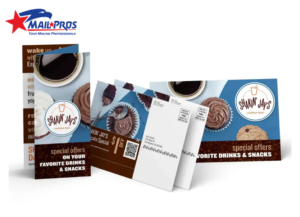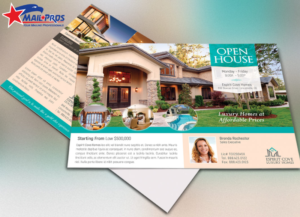

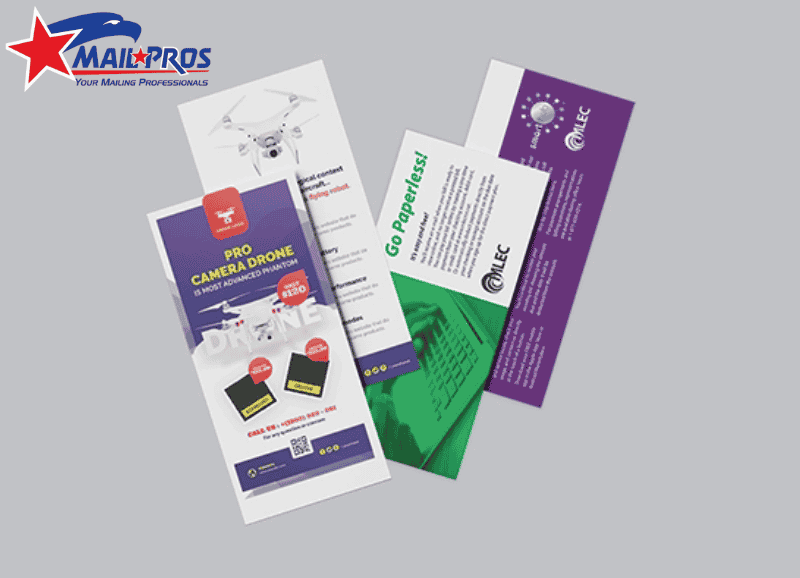
There is a unique psychology behind physical media. When a potential customer walks into a hotel lobby, a visitor center, or a local coffee shop, their guard is down. They aren’t trying to skip an ad to watch a video; they are actively looking for information. This is where high-quality Rack Card Printing shines. It offers a tangible, take-away piece of your brand that fits perfectly in a pocket or purse, bridging the gap between a casual glance and a loyal customer.
The Tangible Advantage in a Digital World
The biggest challenge my clients face today is attention span. On the internet, you have a fraction of a second to catch someone’s eye before they scroll past. Physical print marketing operates differently. A rack card placed in a high-traffic area invites interaction. It requires the person to physically reach out, pick it up, and look at it. That simple act of touching the paper creates a micro-commitment that digital pixels simply cannot replicate.
Furthermore, rack cards have a shelf life that digital ads do not. An Instagram ad disappears the moment the user closes the app. A rack card, however, often ends up on a refrigerator, pinned to a corkboard, or sitting on a car dashboard for days. In my experience, this lingering presence significantly increases brand recall. When the customer is finally ready to buy or book, your information is right there, physically available to them.
Understanding the Format: Why 4×9 Works
If you are new to this specific format, understanding the definition of rack cards is the first step to using them effectively. Standard rack cards are typically 4 inches by 9 inches. This size isn’t arbitrary; it is designed to fit perfectly into standard display racks found in tourism hotspots, chambers of commerce, and waiting rooms.
This specific dimension forces you to be concise. Unlike a brochure, which invites you to write long paragraphs, a rack card demands that you get straight to the point. This constraint is actually a blessing. It forces business owners to distill their message down to the absolute essentials: a hook, a beautiful image, and a clear call to action. From a design perspective, this clarity is exactly what converts a browser into a buyer.
Strategic Placement and Audience Targeting
One of the most common questions I get is, Where do I put these things? The beauty of rack cards is that they allow for hyper-local targeting. If you run a tourist attraction, placing your cards in hotel lobbies is a no-brainer. But it goes deeper than that. I’ve seen great success with cross-promotion strategies. For example, a local gym might place their cards at a nutrition shop, or a real estate agent might place theirs at a local moving company’s front desk.
Correct placement is the secret sauce to attracting more customers who are already in a buying mindset. You aren’t just casting a wide net to the entire internet; you are placing your message directly in the path of people who are physically present in your service area. This reduces wasted ad spend and ensures that every card picked up is held by a qualified local lead.
Comparing Rack Cards to Other Print Media
When budget discussions come up, clients often ask if they should just print cheaper flyers or invest in postcards. While every format has its place, rack cards occupy a Goldilocks zone. Unlike standard flyers, which are often printed on lighter paper and can feel temporary or disposable, rack cards are printed on heavy cardstock. This durability conveys a sense of quality and professionalism that reflects well on your business.
Brochures are excellent for detailed information, but they can be more expensive to produce and harder to display if you don’t have the right holder. Rack cards are sturdy, stand up straight in holders without flopping over, and provide just enough information to spark interest without overwhelming the reader. They are the quick elevator pitch of the print world.
Integrating Print with Direct Mail Campaigns
A standalone marketing tactic is rarely as effective as an integrated one. Smart business owners use rack cards as part of a broader ecosystem. Because of their 4×9 size, they fit perfectly into standard #10 envelopes. This means you can use them as aggressive inserts in your billing statements or welcome packets.
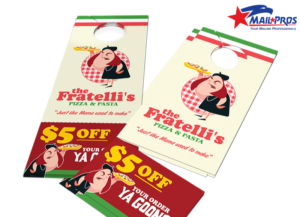
If you are already utilizing postcard printing for neighborhood blasts, consider using rack cards for your in-store or partner-location strategy. Additionally, for service-based businesses like landscaping or roofing, combining rack cards with rip hanger printing creates a dominance in a specific neighborhood. You hit the mailbox, the doorknob, and the local community board simultaneously.
Design Principles That Convert
You can have the best placement in the world, but if your design is cluttered, no one will pick it up. I always advise clients to treat the top three inches of the card as prime real estate. In a display rack, the top third is often the only part visible. Your headline and primary image need to live there. If your logo is at the bottom, it might be hidden behind the plastic of the holder.
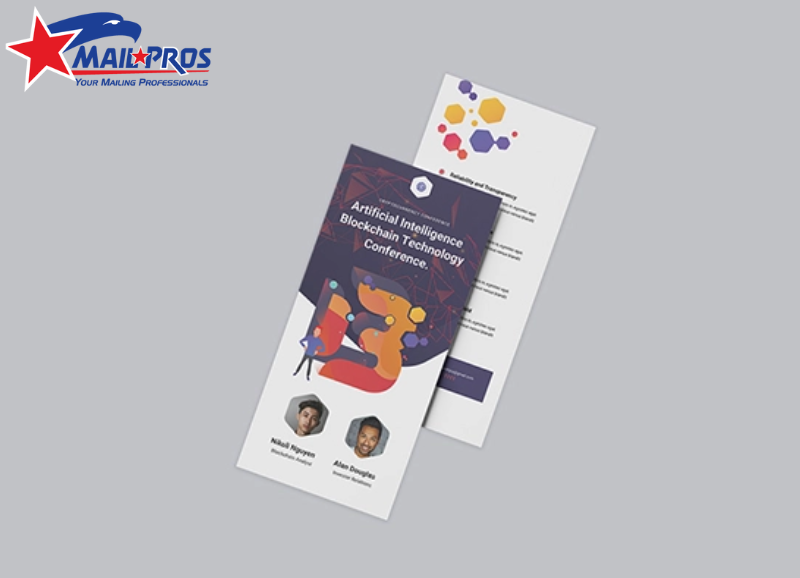
Visual hierarchy is critical. Use high-resolution images that evoke emotion people smiling, delicious food, or a stunning view. Avoid walls of text. Instead, use bullet points to list benefits, not just features. If you are struggling with layout, looking at creative design ideas can spark inspiration on how to use color contrast and typography to grab attention instantly.
The Importance of Paper Quality
Never underestimate the tactile experience. When someone picks up a flimsy card, they subconsciously associate that cheapness with your service. I always recommend a 14pt or 16pt cardstock with a UV gloss coating for colors that pop, or a matte finish for a more elegant, sophisticated look. The paper weight tells the customer that you are an established, trustworthy business before they even read a single word.
Measuring the Success of Your Print Marketing
A common criticism of print marketing is that it is hard to track. That is a myth. You can, and should, track the ROI of your rack cards just as rigorously as your digital ads. The easiest way to do this is through QR codes or specific promo codes.
For example, print a QR code that leads to a specific landing page on your website. This allows you to see exactly how many people scanned the card. Alternatively, use a distinct phone number or a code like LOBBY10 for a discount. This data allows us to see which locations are distributing the most cards and where your marketing dollars are working hardest.
FAQs
What is the best paper stock for rack cards?
In my professional opinion, you should not go lower than 14pt cardstock. 16pt is even better if you want a premium feel. Thinner paper tends to curl forward in display racks, making your card look old and neglected. A sturdy card stands tall and looks fresh for much longer.
Can I print on both sides of a rack card?
Absolutely, and you should. Printing is almost always priced for double-sided production these days. Use the front for the hook the image and headline. Use the back for the meat directions, maps, price lists, or a more detailed offer. Leaving the back blank is wasted advertising space.
How do I distribute my rack cards effectively?
Start with your local Chamber of Commerce and Visitor Information Centers; they usually have designated walls for these. Next, network with complementary businesses. If you are a wedding photographer, ask local florists or bakeries if you can swap cards. It’s a win-win for local networking.
Conclusion
Despite the dominance of digital media, rack card printing remains a vital tool for local businesses, tourism industries, and service providers. It offers a tangible connection, targets customers when they are most receptive, and provides a cost-effective way to build brand awareness. By focusing on quality design, strategic placement, and high-quality paper stock, you can turn a simple piece of cardstock into a consistent lead-generating machine.
Marketing is not about choosing between digital and print; it is about being present where your customers are. At MailProsUSA, we understand the nuances of local marketing and are dedicated to helping you create materials that don’t just look good, but actually drive results for your business.