Different Types of Poster Printing and Their Best Uses

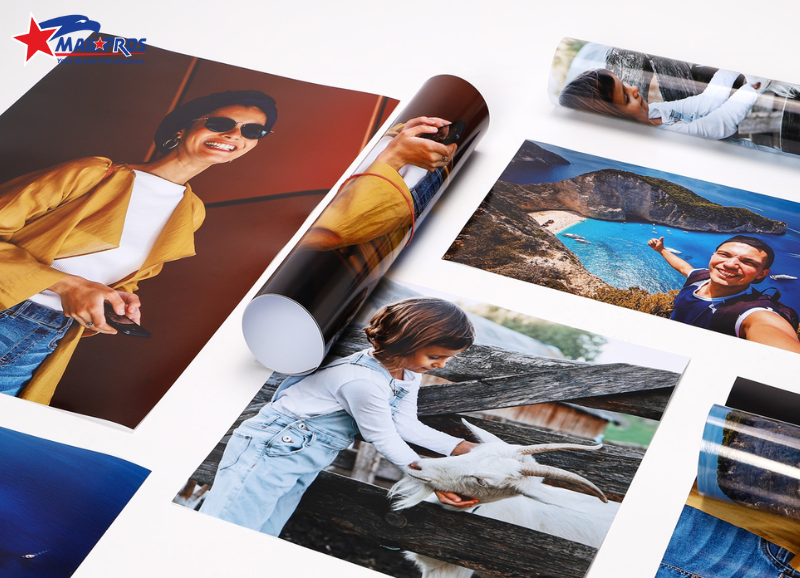
Digital noise is at an all-time high. We are constantly bombarded with emails, pop-ups, and social media notifications that vanish with a scroll. That is exactly why physical print marketing remains such a powerhouse for local businesses. There is something undeniable about walking past a vibrant, well-placed poster that commands attention—not because it’s shouting, but because it’s physically there, occupying space in the real world.
However, after years of helping clients navigate their print marketing at Mail Pros USA, I’ve noticed a common stumbling block. Many business owners assume “a poster is just a poster.” They send over a file, ask for “standard size,” and hope for the best. The reality is that the method of printing, the paper stock, and the format you choose can drastically change the outcome of your campaign. A poster meant for a rainy outdoor festival needs a completely different engineering approach than a fine art print for a boutique lobby.
This guide explores the different types of poster printing we handle daily, offering professional insights into which method is right for your specific goals.
The Mechanics: Digital vs. Offset vs. Large Format
Before we dive into specific products, it is helpful to understand how the ink actually hits the paper. The “how” dictates the cost, the quality, and the turnaround time.
Digital Printing is what I usually recommend for short runs. If you need 50 posters for a weekend flash sale, digital is cost-effective and fast. It works similarly to your office laser printer but on a much grander, industrial scale. The colors are punchy, and you don’t have to pay for the setup plates required in traditional printing.
Offset Printing is the heavy lifter. If a client comes to me needing 5,000 flyers or posters for a city-wide campaign, we go offset. This involves creating custom plates to transfer ink onto rubber rolls and then onto the paper. While the initial setup costs more, the price per unit drops significantly as the quantity increases. The color accuracy here is also superior for brand matching.
Large Format (Wide Format) is for when you need to go big. Standard presses usually tap out around 12×18 or 13×19 inches. When you need a 24×36 movie poster or signage for a trade show booth, we use wide-format inkjet printers that feed from massive rolls of paper. These allow for stunning detail on a very large canvas.
Standard Marketing Posters: The Bulk Workhorse
When most people think of a poster, they are thinking of the standard marketing poster. These are typically printed on 100lb Gloss Book or 100lb Gloss Cover stock. They are shiny, vibrant, and designed to catch the eye in high-traffic retail environments.
We see these used most effectively for temporary promotions think “Summer Clearance” signs in shop windows or event announcements on community bulletin boards. Because they are cost-effective, you can afford to blanket a neighborhood without breaking the budget. The goal here isn’t necessarily permanence; it’s volume and visibility.
If you are planning a campaign that requires a high volume of visuals to create brand recall, utilizing standard poster printing is your best bet. A common mistake I see here is choosing a paper stock that is too thin. If you are taping these to a window, a thinner text weight is fine. But if they are being pinned to a board where they might curl, you really need a thicker cover stock to keep them looking professional.
Interactive Advertising: Rip Hangers and Tear-Offs
Sometimes, brand awareness isn’t enough; you need immediate lead generation. This is where rip hangers (tear-off posters) shine. We have all seen them the flyer on the coffee shop board with little tabs at the bottom containing a phone number or website.
While it seems old-school, this method is incredibly effective for service-based businesses like dog walkers, tutors, local contractors, or cleaning services. The physical act of a potential client tearing off a tab creates a psychological commitment. They aren’t just looking at your ad; they are taking a piece of it with them.
Professional rip hanger printing ensures that the perforation is clean and the paper is sturdy enough to withstand multiple people pulling at it. I always advise clients to keep the design on the main body clean and bold, while ensuring the tear-off tab has the critical call to action (CTA) clearly legible.
Durability Matters: Outdoor and Mounted Posters
Putting a standard glossy paper poster outside is a recipe for disaster. Moisture will wrinkle the paper within hours, and sunlight will bleach your red ink into a pale pink within a week. If your message lives outdoors, you need materials engineered for the elements.
For outdoor use, we look at different substrates. Vinyl or water-resistant synthetic papers are standard. We also discuss UV-resistant inks that prevent fading. If the poster is going on an easel or standing against a wall, it needs to be mounted on a rigid substrate like foam core or Gatorboard.
I remember a client who tried to save money by printing standard paper posters for an outdoor market. It rained lightly that morning, and by the time the market opened, their signage was a soggy mess on the sidewalk. It didn’t just look bad; it signaled to customers that the business didn’t care about quality. Always match the material to the environment.
Integrating Posters with a Direct Mail Strategy
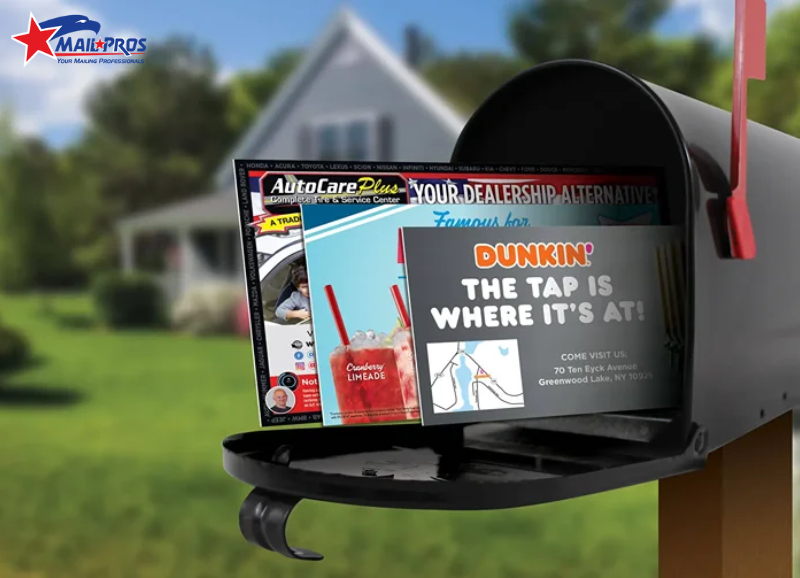
One of the most powerful marketing strategies is the “surround sound” effect. This happens when a customer sees your brand in their mailbox and then sees a matching poster in their local community. It builds trust and familiarity rapidly.
For example, if you are running a real estate open house, you might saturate the neighborhood with Direct Mail postcards inviting neighbors to the event. Simultaneously, you place high-quality posters in nearby cafes and community centers with the same imagery and branding. This dual approach reinforces the message.
We often help clients coordinate their direct mail marketing timelines with their poster distribution. The goal is for the poster to serve as a reminder for the mail piece they already received. This integrated approach usually yields a higher conversion rate than doing either in isolation.
Paper Finishes: Matte vs. Gloss vs. Satin
Choosing the right finish is almost as important as the design itself. This is a conversation I have with almost every client because the wrong choice can ruin readability.
Gloss: Perfect for designs with lots of photos and vibrant colors. It makes the images “pop.” However, if you place a glossy poster under bright fluorescent lights or behind a glass frame, the glare can make the text impossible to read.
Matte: This is the choice for text-heavy posters or designs with a sophisticated, muted color palette. It absorbs light rather than reflecting it, ensuring your message is readable from any angle.
Satin/Semi-Gloss: The middle ground. It offers good color reproduction without the aggressive glare of high gloss.
When you are ready to order poster printing, think about where the final piece will live. If it’s a dimly lit lounge, gloss is fine. If it’s a brightly lit office hallway, go with matte to ensure legibility.
FAQs
What is the difference between “bleed” and “no bleed” in poster printing?
“Bleed” refers to printing that goes all the way to the edge of the paper. To achieve this, the artwork must extend slightly beyond the final trim size (usually by 0.125 inches). “No bleed” means there will be a white border around your design. For a professional look, we almost always recommend designing with bleed.
Can I use a photo from my phone for a large poster?
It depends on the phone and the size of the poster. Most modern smartphones take high-resolution photos, but if you blow them up to 24×36 inches, you might see pixelation (blurriness). Always check that your image is at least 300 DPI (dots per inch) at the size you want it printed.
What is the standard size for a business poster?
The most common sizes are 11×17 (small), 18×24 (medium), and 24×36 (large/movie poster size). However, 11×17 is often the most economical because it fits efficiently on standard digital press sheets.
How long do posters last outdoors?
Standard paper posters will not last outdoors. If you use water-resistant synthetic paper and UV inks, they can last months. Lamination can extend this lifespan even further by protecting the ink from scratches and sun damage.
Is 100lb text paper or 100lb cover paper better?
“Text” paper is like the inside pages of a high-quality magazine—flexible and thinner. “Cover” paper is like a business card or a postcard—thick and rigid. For posters that will hang on a wall, text weight is fine. For posters that need to stand up or be handled, cover stock is necessary.
How quickly can posters be printed?
Digital printing can often be done in 24 to 48 hours. Offset printing, due to the setup involving plating and drying time, typically takes 5 to 7 business days but offers better pricing on large quantities.
Conclusion
Choosing the right type of poster printing isn’t just about picking a size; it’s about understanding the job that the poster needs to do. Whether you need a thousand flyers to flood a local event, a durable sign for an outdoor market, or an interactive rip hanger to generate leads, the materials you choose communicate the quality of your brand.
At the end of the day, print marketing is tactile. Your customers will judge your business not just by what the poster says, but by how it looks and feels. By selecting the right print method and paper stock, you ensure that your first impression is a strong one.
For more insights on optimizing your print and mail campaigns, be sure to visit our blog for the latest tips and strategies.