EDDM Direct Mail Strategy: How to Dominate Local Marketing with USPS EDDM


We live in an era where our phones are constantly buzzing with notifications, our email inboxes are overflowing with spam, and social media feeds are clogged with ads we scroll past in milliseconds. As a business owner, you likely feel the frustration of trying to be seen in that digital chaos. I’ve spoken with countless clients who feel like they are shouting into a void online, spending thousands on clicks that never convert into handshakes or sales.
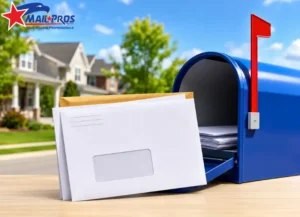
This is exactly why physical mail has made such a massive comeback. When a homeowner walks to their mailbox, brings the mail inside, and sorts through it on their kitchen counter, you have their undivided attention. There is no skip ad button on a physical postcard. If you are looking for a way to own your neighborhood, an EDDM Direct Mail strategy is often the most powerful tool in your arsenal because it puts your brand literally in the hands of your neighbors.
However, simply printing a flyer and hoping for the best isn’t a strategy; it’s a gamble. Over my years in the printing and mailing industry, I have seen campaigns that generated massive ROI and others that fell flat. The difference wasn’t usually the product or service it was the execution. To truly dominate local marketing, you need to understand the nuances of Every Door Direct Mail (EDDM) and how to leverage it to build genuine trust within your community.
Understanding Why Hyper-Local Marketing Still Wins
There is a misconception that direct mail is old school or outdated, but the data tells a very different story. In fact, because digital spaces are so crowded, the mailbox has become a less cluttered, more premium environment. When I consult with small businesses at MailProsUSA, I remind them that people inherently trust local businesses more than faceless online entities. A tangible postcard signals that you are real, you are nearby, and you are invested in the community.
The beauty of hyper-local marketing is that it minimizes waste. If you own a pizza shop, a landscaping company, or a dental practice, you don’t need to reach people three towns over. You need to reach the people who drive past your storefront every day. EDDM allows you to saturate specific neighborhoods without purchasing an expensive mailing list. It is the most cost-effective way to plant your flag in the ground and say, I am here to serve this specific area.
When you focus on a tight geographic area, you also benefit from the wagon wheel effect. If a neighbor sees your truck at one house, and then receives a postcard the next day, and then sees a yard sign down the street, your credibility skyrockets. You stop being a stranger and start being the neighborhood professional. That familiarity is what ultimately drives calls and foot traffic.
The Secret Sauce: Route Selection and Targeting
One of the biggest mistakes I see business owners make is selecting routes based on a gut feeling rather than data. Just because a neighborhood looks nice doesn’t mean it’s the right fit for your specific offer. EDDM works by carrier route the specific path a mail carrier walks or drives. To succeed, you have to choose routes that align with your ideal customer profile.
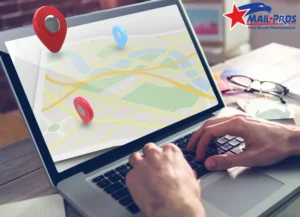
For example, if you are selling high-end pool maintenance, you shouldn’t blanket the entire zip code. You need to use tools to identify routes with higher household incomes and single-family homes. Using a mapping tool helps you visualize exactly where your mail is going. This ensures you aren’t paying to send flyers to apartment complexes where residents don’t own pools.
Conversely, if you are a new urgent care center, you might want to target every single household within a 3-mile radius regardless of income. The strategy changes based on the business model. I always advise clients to spend more time on route selection than they think is necessary. It is the foundation of your campaign; if you send the right message to the wrong house, you have wasted your money.
Designing for Impact: Creating Mail That Doesn’t Get Tossed
Let’s be honest about the junk mail stigma. We all sort our mail over the trash can. Your goal is to survive that split-second decision-making process. I have seen beautiful, artistic postcards fail because they didn’t have a clear hook, and I’ve seen simple, bold cards succeed wildly because the offer was irresistible. The design must be purposeful, not just pretty.
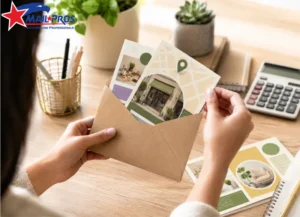
A high-performing EDDM piece needs a clear headline that addresses a pain point immediately. Don’t put your logo at the top; put the benefit at the top. If you are a roofer, the headline should be about “Stopping Leaks Before Winter,” not Smith Roofing Established 2010. Furthermore, the quality of the paper matters. Flimsy paper feels like a flimsy business. Utilizing custom printing solutions ensures your card has the weight and gloss that commands respect.
The offer is equally critical. Call for a quote is not an offer; it’s a request for them to do work. A real offer is 15% Off Your First Service or Free Appetizer with Dinner. You have to give the recipient a reason to break their routine and reach out to you. If you are struggling to convert, it is often because the incentive simply wasn’t strong enough to motivate action.
Is Every Door Direct Mail Actually Cost-Effective?
Budget is always a primary concern for local business owners, and rightly so. You need to know if your marketing dollars are working. When evaluating EDDM value, you have to look at the Cost Per Acquisition (CPA), not just the cost of printing. EDDM offers a significant postage discount compared to standard First Class mail, which allows you to send larger, more impressive postcards for less money.
However, cost-effectiveness also relies on your industry and average ticket value. If you are a real estate agent, selling one home pays for years of EDDM campaigns. If you sell $5 cups of coffee, you need a higher volume of redemption to make it work. Generally speaking, boosting local growth through EDDM yields a higher ROI than digital ads for local service businesses because the competition in the mailbox is lower than the competition on Google.
It is also important to consider the lifetime value of a customer. If a direct mail campaign costs you $1,000 and brings in 10 new clients, that might look like a break-even initially. But if those 10 clients stick with you for years, that campaign was incredibly profitable. Viewing marketing as an investment rather than an expense is a mindset shift that successful business owners make early on.
Industry Spotlight: Strategies for Restaurants and Service Pros
Different industries require different approaches to EDDM. For example, restaurant marketing tips usually center around visual appeal and immediate gratification. A postcard for a bistro needs mouth-watering photography and multiple coupons (e.g., one for lunch, one for dinner) to encourage repeat visits. The goal is to get the menu on the fridge.
On the other hand, a guide for service businesses like plumbers, HVAC techs, or electricians focuses on trust and emergency readiness. These cards should emphasize reliability, licensing, and 24/7 availability. Service businesses often benefit from keep this card handy magnets or stickers included on the mailer, ensuring that when a pipe bursts, their number is the first one the homeowner sees.
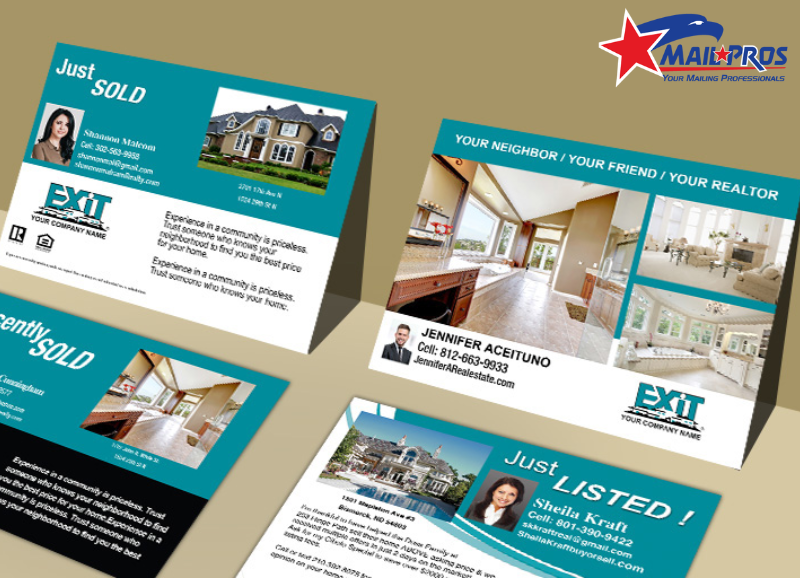
Executing a Targeted Direct Mail Campaign for Long-Term Success
One of the harsh truths of marketing is that one and done rarely works. I often see businesses send out 5,000 postcards once, get a lukewarm response, and declare that direct mail doesn’t work. The reality is that consistency builds trust. A homeowner might not need their carpets cleaned the first time they see your card, but after the third time, when they finally do need it, you are the brand they remember.
Successful campaigns are often drip-fed or repeated seasonally. You might hit a specific route three times over eight weeks to ensure brand recall. Once you have established a presence with EDDM, you can then move toward more targeted direct mail marketing, refining your list to focus only on the households that responded or fit a very specific demographic profile.
For businesses looking to really stand out, customized direct mail allows for variable data printing, where you can address the homeowner by name even within a targeted campaign. Moving from a broad EDDM approach to a more sniper-focused strategy is a natural evolution as your business grows and your customer database expands.
Moving Forward with Confidence
Dominating your local market isn’t about having the biggest budget; it is about being the most present and the most relevant. EDDM gives small and medium-sized businesses the power to compete with big brands by owning the last mile into the customer’s home. It allows you to bypass the digital noise and deliver your message physically into the hands of the people who matter most your neighbors.
If you are ready to stop guessing and start building a campaign that drives real results, it’s time to look at your map, craft your offer, and get your printers running. The mailbox is waiting, and it’s one of the few places left where you can still command 100% of your customer’s attention.
For more insights on marketing strategies, industry trends, and practical guides, be sure to visit our blog for resources that can help you take your business to the next level.