
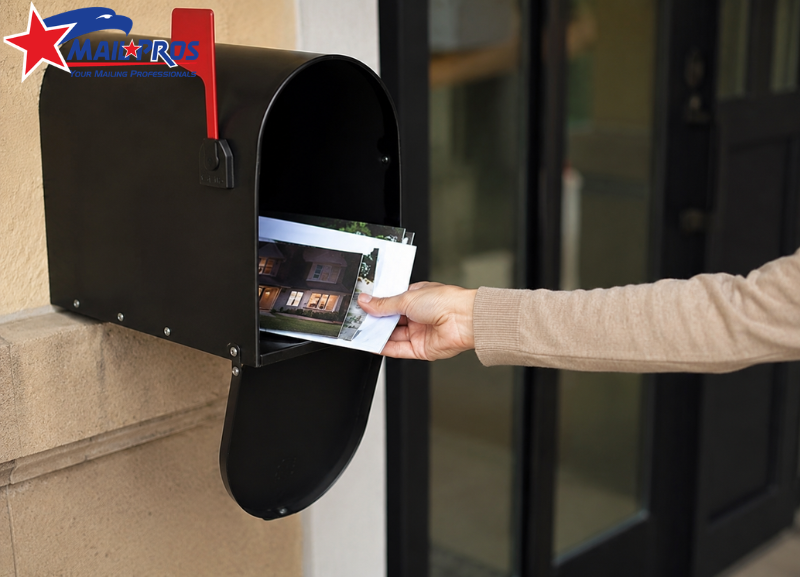
Many businesses feel stuck between rising digital ad costs, weaker online attention, and local competition that keeps getting louder. We see this often with restaurants, service companies, ecommerce brands, dental offices, real estate teams, home improvement businesses, and retail stores that need steady local visibility without wasting money on broad campaigns.
That is why USPS EDDM continues to matter in 2026. It gives businesses a practical way to reach selected neighborhoods without buying a mailing list or building a complicated database. When teams use EDDM services with the right planning, print quality, offer, and route selection, direct mail becomes more than a postcard drop. It becomes a local marketing system.
USPS direct mail has changed because customer behavior has changed. People still check their mailboxes, but they expect clearer offers, better design, local relevance, and faster ways to respond. A generic flyer no longer performs well just because it reaches many homes. The winning campaigns now combine neighborhood targeting, strong postcard marketing, simple tracking, and sharper creative decisions.
Why USPS EDDM Still Works for Local Business Marketing?
EDDM works because it solves a simple business problem. Many companies need to reach people in a specific local area, but they do not always need names, addresses, or complex personalization. A pizza shop opening near a residential route, a dentist promoting a new patient offer, or a roofer targeting older neighborhoods can often benefit from saturation mailing.
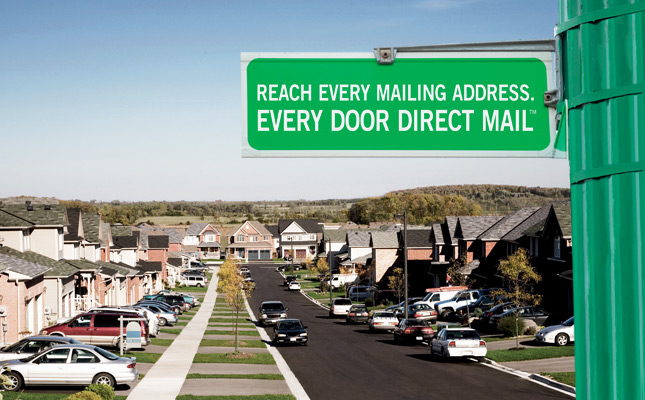
The strength of every door direct mail service comes from route-level coverage. Instead of guessing where ads might show online, businesses can choose neighborhoods, ZIP Codes, and carrier routes that match their service area.
Local Reach Feels More Valuable
Digital platforms give broad reach, but local intent can get expensive. A home service company may pay for clicks from people outside its real service area. An ecommerce brand with a local showroom may spend money reaching users who never visit.
EDDM helps reduce that waste. We can select routes around a store, near a recent job site, close to a competitor, or inside a high-value residential pocket. That local control gives direct mail advertising a practical advantage.
Mail Has Less Visual Competition
Online ads compete with videos, notifications, social feeds, email inboxes, and search results. A postcard has a physical moment. Someone holds it, scans it, and decides whether the offer matters.
That does not guarantee results, but it creates a different kind of attention. Good postcard marketing uses that moment well with a direct headline, clean offer, clear visuals, and easy next step.
The Biggest USPS EDDM Trends Shaping 2026
The biggest change in EDDM is not one single feature. The shift comes from how businesses plan campaigns. In the past, many companies mailed broadly and hoped for a response. In 2026, stronger teams treat EDDM like a measurable local channel.
Better Route Selection
More businesses now care about route quality, not only quantity. Sending 10,000 pieces to weak routes can cost more than sending 4,000 pieces to neighborhoods that closely match the offer.
We often see this mistake with new campaigns. A business chooses the largest nearby area because it wants “more exposure.” That approach can dilute the budget. A smarter plan starts with customer fit.
Practical Route Planning
Businesses should review household income, age range, residential density, distance from the store, local competition, and customer behavior. A family dental office may choose different routes than a luxury remodeler. A gym may prefer routes near apartment communities, while a landscaping company may focus on single family homes.
Stronger Offers With Clear Deadlines
A weak offer can ruin a good mailing list. Many postcards fail because they say too much without giving the reader a reason to act.
In 2026, effective EDDM campaigns usually include one clear offer, one strong benefit, and one deadline. Examples include a new customer discount, free consultation, seasonal package, limited menu offer, or local event promotion.
What Makes an Offer Work
The offer should feel specific and easy to understand. “Save on services” feels vague. “$75 off your first repair before July 31” gives the reader a reason to keep the card.
Service-based businesses should avoid making the postcard look like a full brochure. The goal is not to explain everything. The goal is to create enough interest for a call, scan, visit, or quote request.
QR Codes and Trackable Landing Pages
QR codes have become a normal part of USPS direct mail strategy. Customers understand them, and businesses can track engagement better than before.
A QR code should not send every person to the homepage. That creates friction. The better approach sends traffic to a campaign landing page with the same offer, matching visuals, and a simple contact form.
Tracking That Actually Helps
Businesses should use unique phone numbers, landing pages, coupon codes, or QR links for each campaign. This makes performance easier to understand.
We recommend tracking responses by route when possible. If one route produces strong leads and another route underperforms, the next campaign can shift budget toward the better area.
How Businesses Are Using EDDM More Strategically?

Different businesses use EDDM for different reasons. The best campaigns match the mailing strategy to the real operational goal.
Restaurants and Food Brands
Restaurants often use EDDM for grand openings, menu updates, lunch specials, catering promotions, and seasonal offers. Menus and oversized postcards work well when the design makes the food look fresh and the offer feels easy to redeem.
Common Mistake: Adding too many menu items and making the card hard to read. A cleaner layout with best sellers, a QR code, and a short discount often performs better.
Home Services and Contractors
Roofers, HVAC companies, plumbers, electricians, painters, and landscapers use EDDM to reach homeowners in selected neighborhoods. Timing matters here. Seasonal campaigns can work well before hot weather, storm season, winter maintenance, or spring renovation planning.
Common Mistake: Mailing too late. A heating company should not wait until the first cold week when emergency demand already overwhelms the team.
Healthcare and Professional Services
Dental offices, chiropractors, urgent care clinics, tax firms, law offices, and insurance agencies use EDDM to build local awareness. These campaigns need trust more than hype.
A simple postcard with a clear service, local address, professional photo, reviews, and a practical offer can feel more credible than a crowded design full of claims.
Ecommerce Brands With Local Markets
Some ecommerce brands now use EDDM when they want to build awareness in a specific region. This works especially well when the brand has local delivery, a pickup option, a showroom, or a strong regional identity.
For example, a specialty food brand can mail around farmers markets, retail partners, or neighborhoods with strong purchase potential. The postcard can push traffic to a landing page with a first order offer.
Cost-Saving Insights for EDDM Campaigns
Many businesses focus only on postage and printing costs. That view misses the bigger picture. A cheaper postcard can still become expensive if it fails because of weak design, poor route selection, or unclear messaging.
Control Cost Before Printing Starts
The easiest way to save money is to reduce waste before production. That means choosing better routes, using the right size, keeping the design focused, and making sure the campaign goal matches the audience.
USPS bulk mailing services and EDDM options can help businesses manage postage, but the campaign still needs smart planning. A low postage rate cannot fix a poor offer.
Avoid Oversized Designs
Large mailers can stand out, but bigger does not always mean better. Some businesses choose the largest size because they want more space. Then they fill that space with too much text.
The better question is simple: what size supports the message? A bold oversized postcard can work for restaurants, real estate, and event promotions. A cleaner mid-size flat may work better for professional services.
Print Quality Affects Trust
Print quality matters because it shapes the first impression. Thin paper, dull color, blurry images, or crowded layouts can make a legitimate business look careless.
We often see businesses spend heavily on distribution but cut too much from design and production. That creates a mismatch. The mailpiece reaches the right household, but it does not build confidence.
Best Practices for Better EDDM Results in 2026
A strong campaign starts with a practical plan. The businesses that get better results usually follow a clear process instead of treating EDDM as a one-time print order.
Start With One Campaign Goal
A postcard should focus on one main goal. That goal may include phone calls, quote requests, store visits, online orders, appointment bookings, event attendance, or brand awareness.
When the goal stays clear, the design becomes easier. The headline, offer, visuals, and call to action all support the same action.
Match the Creative to the Audience
A family restaurant, roofing company, boutique fitness studio, and tax office should not use the same design style. Each audience responds to different visual signals.
For example, a contractor may need before-and-after images, license information, and financing details. A salon may need clean visuals, service highlights, and a new client offer.
Use Simple Calls to Action
The best calls to action feel direct and low effort. “Scan to get the offer,” “Call for a free estimate,” “Bring this card in,” or “Book your appointment” works better than vague wording.
Every mailpiece should include a phone number, website, QR code, and clear expiration date when relevant.
Test Before Scaling
Businesses should avoid mailing the full budget on the first attempt. A smaller test can reveal which routes, offers, and designs deserve more investment.
After the first drop, review calls, scans, coupon redemptions, quote requests, and sales. Then adjust the next campaign. This approach turns direct mail marketing into a learning system.
Most Asking Questions
What is USPS EDDM used for?
USPS EDDM helps businesses send postcards, menus, flyers, and local offers to selected neighborhoods without using a mailing list. It works well for restaurants, home services, real estate, retail, healthcare, and local events.
Is EDDM better than regular direct mail?
EDDM works better when a business wants broad neighborhood coverage. Regular targeted direct mail works better when the campaign needs names, customer lists, personalization, or a more specific audience.
How can businesses improve EDDM response rates?
Businesses can improve response by choosing better routes, using one clear offer, adding a deadline, improving design quality, and tracking results through QR codes, landing pages, phone numbers, or coupon codes.
Does EDDM work for ecommerce brands?
Yes, EDDM can work for ecommerce brands when they target local markets, promote regional delivery, support retail partners, or drive first-time orders through a clear offer and landing page.
What is the biggest EDDM mistake businesses make?
The biggest mistake is mailing too broadly without studying route quality. A smaller campaign sent to better-fit neighborhoods often creates stronger results than a larger campaign sent to weak areas.
How often should a business send EDDM postcards?
The right frequency depends on the industry, budget, and offer. Many local businesses benefit from seasonal campaigns, monthly promotions, or repeated mailings around important buying periods.
To Sum Up
USPS EDDM trends in 2026 show a clear shift toward smarter planning, cleaner creative, better tracking, and stronger local relevance. Businesses no longer win by mailing the biggest area with the cheapest postcard. They win by matching the right offer to the right neighborhood and making the response process simple.
EDDM still gives local businesses, ecommerce brands, service providers, and marketing teams a practical way to reach households with a physical message. When the campaign includes thoughtful route selection, strong print quality, a clear call to action, and basic tracking, direct mail advertising can support both short-term leads and long-term brand recall.
For businesses planning their next local campaign, the best starting point is a focused review of the audience, offer, route options, and production timeline. Hire MailProsUSA to get a well-planned EDDM campaign that can save budget, reduce waste, and create a more reliable connection with nearby customers. Contact us to plan a campaign that fits your market, timeline, and business goals.