USPS Route Targeting vs Purchased Mailing Lists for Better Direct Mail Results

Direct mail still works because it reaches people at home, where decisions about local services, home needs, health care, repairs, food, and retail often happen. The harder question is not whether mail works. It is how to choose the right audience. Some businesses want wide neighborhood reach through USPS carrier routes. Others want selected households based on age, income, homeownership, interests, or buying behavior. Both choices can be useful, but they solve different problems.
For a small business, the wrong audience choice can waste the budget before the offer even gets noticed. Route targeting is usually stronger when location matters most. Purchased audience data is better when a campaign needs a tighter profile. The best choice depends on the offer, margin, service area, and follow up plan.
This guide explains how each option works, where mailing lists fit, and how to choose the approach that gives your campaign a fair chance to convert. Good targeted mailing for small businesses starts with that audience decision.
USPS Route Targeting For Neighborhood Reach
Strong Coverage Across Local Areas
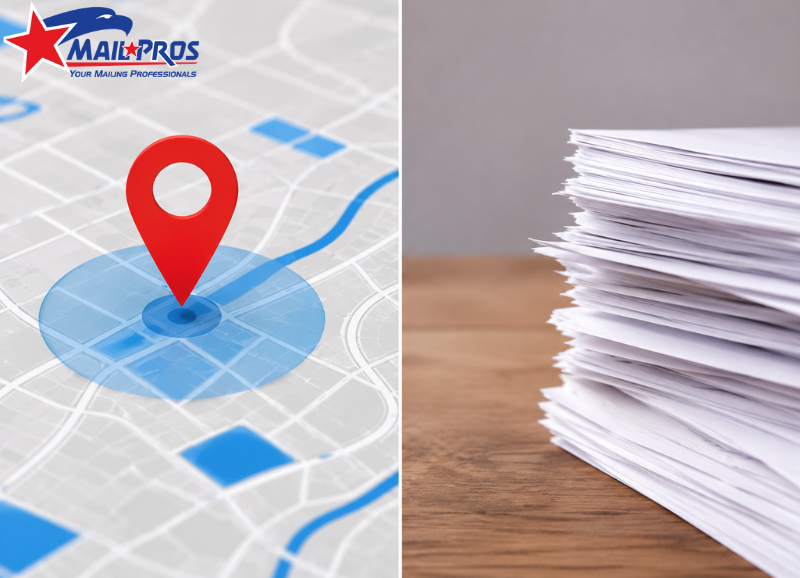
USPS carrier route targeting helps a business reach homes in a selected local zone without needing names for every household. It is useful for restaurants, dentists, gyms, home services, real estate, and retail stores that depend on nearby customers. This works well when the goal is local direct mail advertising with broad neighborhood visibility.
Better Fit For Area Based Offers
A route based campaign is strong when every household in the chosen area could be a reasonable buyer. A roofing company after a storm, a new clinic opening nearby, or a pizza shop promoting delivery can benefit from wide local coverage. This keeps the campaign simple and reduces over-filtering.
Cost Planning Before Printing
With route targeting, volume is easier to estimate because each carrier route has a known number of delivery points. An EDDM mailing cost calculator can help compare postage, print quantity, and expected reach before a business commits to production. A reliable EDDM route targeting service can also make the planning stage less confusing.
Fewer Data Quality Concerns
Purchased data can become outdated when people move, change interests, or stop matching a profile. Route targeting avoids many of those issues because delivery is tied to active postal addresses in selected areas. For businesses focused on location first, that can reduce list cleaning problems.
Stronger Brand Familiarity
Repeated route mailings can build name recognition in a neighborhood. A single postcard may not convert everyone, but several touches can make the business feel familiar. This is especially useful for local services where trust builds slowly and timing matters.
Purchase Audience Data For Selected Prospects
More Control Over Household Profiles
Purchased audience data lets a business narrow delivery to people who match selected traits. This can include homeowners, parents, income ranges, property type, age group, or business category. Direct mail lists are often chosen when the offer only fits a smaller share of the market.
Better Match For Niche Offers
Some campaigns do not need every household on a route. A luxury remodeling service, senior care provider, private school, or B2B company may need more refined targeting. In those cases, mailing list providers can help identify records that better match the intended buyer profile.
Useful For Higher Value Services
When one customer is worth a lot, a tighter audience can justify a higher cost per piece. A law firm, med spa, insurance agency, or home improvement company may prefer fewer mailed pieces if each address has a stronger fit. This can support a more careful direct mail strategy.
More Responsibility For Accuracy
Purchased records need more review before printing. The business should ask where the data came from, how recently it was updated, and whether suppression options are available. Good data can improve relevance, but weak data can increase waste. Mailing lists should always be judged by accuracy, not just size.
Better For Personalized Messaging
A selected list can support more specific copy and offers. Homeowners may receive one message, renters another, and business owners another. That level of personalization can make the mail feel more relevant when the audience data is accurate and the creative is clear.
Choose The Better Campaign Method
Start With The Service Area
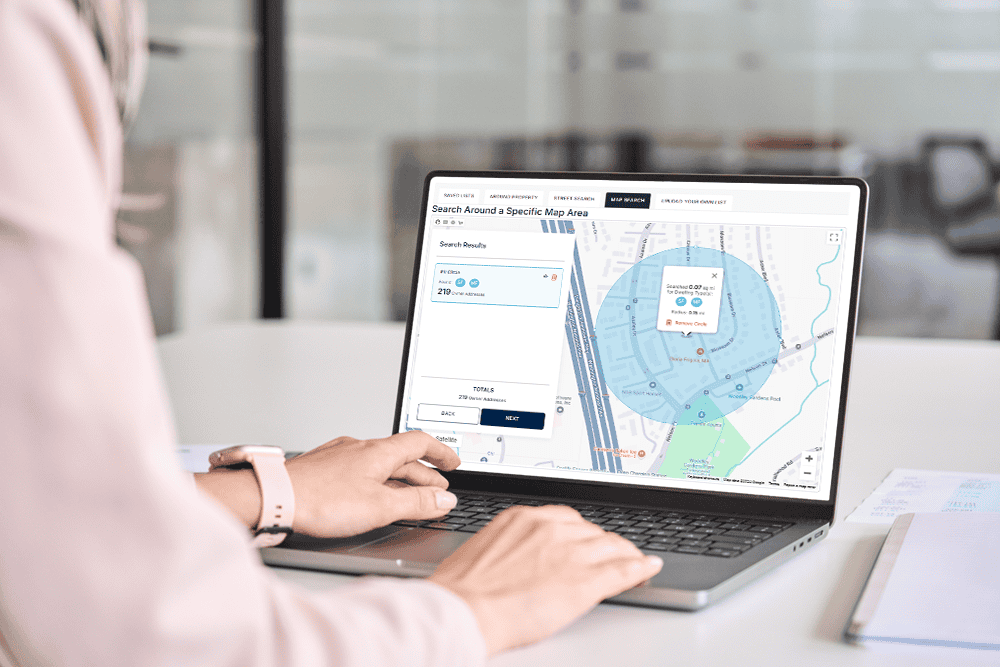
If the business depends on people within a few miles, route targeting often makes sense. It gives strong visibility across a local footprint and avoids over complicating the first campaign. USPS mail marketing works best when geography and timing are aligned with a clear offer.
Match Targeting To The Offer
The more specific the offer, the more specific the audience should be. A grand opening coupon can go wide. A high value medical or home service offer may need a filtered audience. This is where direct mail lists can help improve message fit when the criteria are realistic.
Compare Reach And Waste
Broad routes may include people who are not ready to buy, but they create visibility. Purchased data may reduce waste, but only if the records are accurate. A smart comparison looks at total cost, expected response, average order value, and the strength of the call to action.
Build A Testing Plan
Businesses do not have to choose one method forever. A good test can compare one route campaign against one selected audience campaign. Track calls, QR scans, form fills, coupon codes, and booked appointments. That evidence is more useful than guessing from general averages.
Use Data After Each Drop
The best campaigns improve after each mailing. Keep notes on which neighborhoods responded, which offers worked, and which designs produced action. Over time, this turns direct mail strategy into a repeatable process instead of a one time print order.
Practical Planning For Better Results
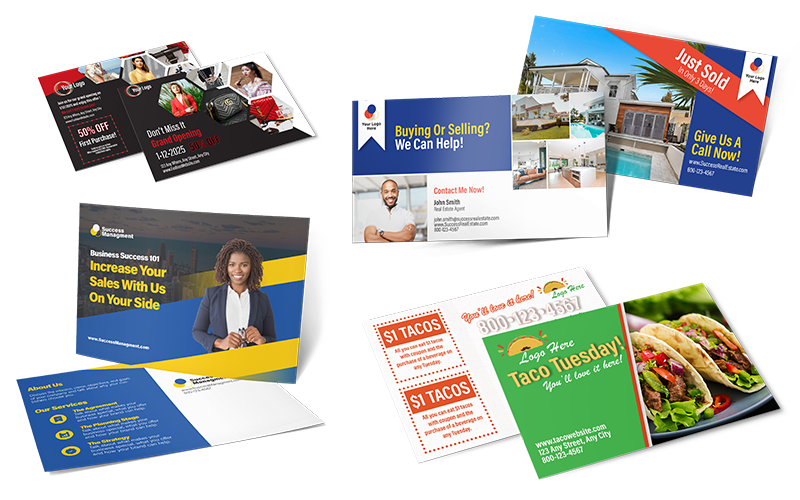
Clear Goals Before Design: Before artwork starts, define the campaign goal. A mailer for awareness should look different from a mailer built for appointment booking. USPS mail marketing performs better when the offer, audience, and next steps are decided before the postcard is designed.
Strong Creative And Simple Offers: Targeting helps, but the creative still has to carry the message. Use one main offer, one clear benefit, and one simple action. Crowded layouts and weak calls to action can hurt results even when the audience is well chosen.
Realistic Budget Review: Every campaign has three core costs: printing, postage, and preparation. An EDDM route targeting service can make neighborhood campaigns easier to plan because routes, quantities, and delivery areas are easier to review before printing begins.
Better Local Follow Up: Direct mail should connect with phone calls, landing pages, online reviews, and staff readiness. For local direct mail advertising, the business should be ready for people who call, scan, search the brand, or visit after receiving the mailer.
Clean Measurement Habits: Use unique phone numbers, offer codes, landing pages, or QR codes when possible. An EDDM mailing cost calculator is useful before launch, but post campaign tracking shows whether the investment produced real leads, sales, or appointments. Responsible mailing list providers should support that planning with clear data expectations.
Common Asking Questions
Which option is better for a new local business?
Route targeting is usually better for a new local business that needs visibility in nearby neighborhoods. It reaches more households and helps people recognize the brand before they need the service.
When should a business use purchased audience data?
Purchased audience data is better when the offer fits a defined group. Examples include homeowners, families with children, certain income ranges, or business owners in a specific category.
Is route targeting cheaper than buying data?
It can be simpler and more predictable, but the total cost depends on print quantity, postage, design, and preparation. The cheapest option is not always the best if the audience does not match the offer.
How can responses be tracked from a mail campaign?
Use QR codes, landing pages, call tracking numbers, coupon codes, or dedicated forms. Tracking should be planned before printing so every response can be connected to the right campaign.
Can both methods be used together?
Yes. A business can test route based coverage in one area and selected data in another. Comparing results side by side helps show which audience produces better leads and stronger returns.
Conclusion
There is no single winner in this comparison. Route targeting is practical for broad neighborhood reach, simple planning, and local visibility. Purchased audience data is stronger when the campaign needs a defined household or business profile. The right choice comes from matching the offer to the audience, setting a clear goal, and tracking results after each drop.
For owners, targeted mailing for small business should feel practical, measurable, and repeatable. MailProsUSA can be part of that planning process without making the campaign more complicated than it needs to be.