Every Door Direct Mail vs Targeted Mailing Lists: Pros and Cons Explained

Marketing in today’s competitive environment is all about connecting with the right audience at the right time. Businesses are often faced with the decision of choosing between two main strategies for direct mail marketing: Every Door Direct Mail (EDDM) and targeted mailing lists. Each approach has its own advantages and challenges, and understanding the differences can significantly influence the effectiveness of a campaign.
Every Door Direct Mail has gained popularity as an efficient way for businesses to reach broad audiences without the need for extensive consumer data. Conversely, targeted mailing lists focus on precision, allowing marketers to reach specific demographics, interests, or purchasing behaviors.
We will explore the pros and cons of both Every Door Direct Mail and targeted mailing lists, providing a comprehensive guide to help businesses make informed decisions and optimize their direct mail strategies.
What is Every Door Direct Mail (EDDM)?
Every Door Direct Mail is a service offered by the United States Postal Service that allows businesses to send marketing materials to entire neighborhoods or zip codes without needing individual addresses.
How EDDM Works
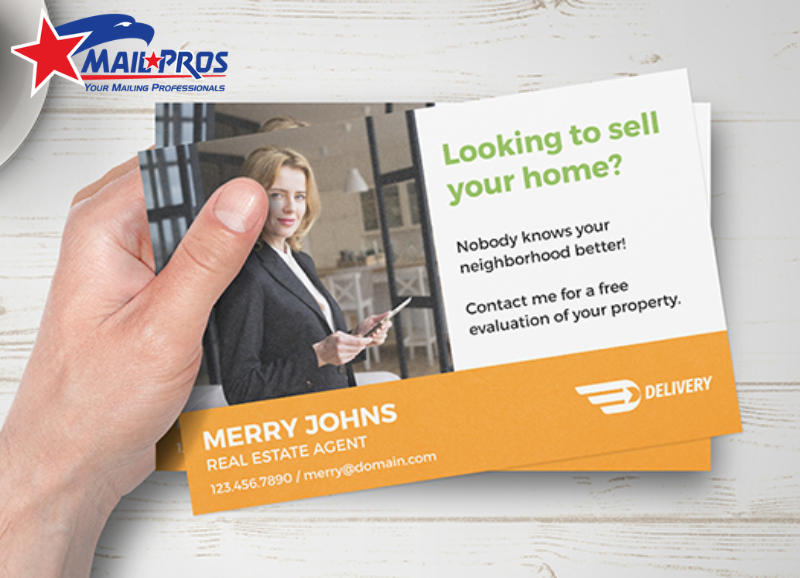
EDDM works by simplifying the mailing process. Instead of maintaining a database of customer addresses, businesses choose specific routes or areas based on geographic location. The USPS then delivers your marketing materials—such as flyers, postcards, or brochures—directly to each household along the selected route.
This method eliminates the need for a mailing list and reduces costs associated with list management. Businesses can reach thousands of potential customers in one go, making EDDM particularly appealing for local businesses such as restaurants, retail stores, or service providers.
Advantages of EDDM
- Wide Reach: EDDM ensures your message reaches an entire neighborhood, creating broad awareness.
- Cost-Effective: Because you avoid the cost of acquiring and maintaining a mailing list, EDDM can be significantly cheaper per piece than traditional direct mail.
- Simplicity: The process is streamlined, allowing small business owners to send campaigns without extensive marketing knowledge.
- Local Impact: Ideal for local promotions, new store openings, or seasonal campaigns.
While EDDM is excellent for blanket coverage, its generality may not suit businesses looking for precise targeting. However, with MailProsUSA’s expertise, you can still achieve highly professional, impactful campaigns that drive conversions.
What Are Targeted Mailing Lists?
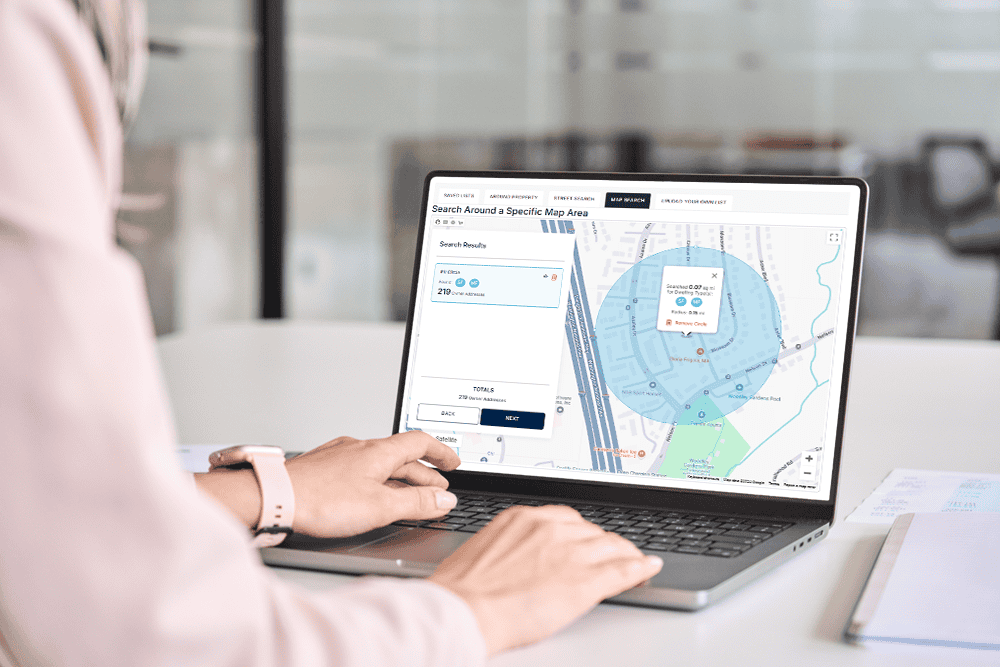
Targeted mailing lists involve sending mail only to selected individuals or businesses who match specific criteria, such as age, income, interests, or purchasing behavior.
How Targeted Mailing Lists Work
Businesses collect or purchase data from reputable sources to identify potential customers. They then design mailers tailored to that audience, ensuring the message is relevant and compelling. This method is highly data-driven and relies on segmentation to optimize the effectiveness of each mailing.
Benefits of Targeted Mailing Lists
- Precision: Reach people who are most likely to respond, improving ROI.
- Personalization: Customized messaging can increase engagement and brand loyalty.
- Trackable Results: With proper data management, businesses can measure response rates and adjust campaigns dynamically.
Targeted mailing lists are powerful, especially for niche markets, but they often involve higher costs for list acquisition and management.
Cost Comparison: EDDM vs Targeted Mailing
Cost is a critical consideration for any marketing campaign. EDDM is generally more affordable because you bypass the expense of list acquisition. Bulk postage rates are lower, and printing can be scaled efficiently.
Targeted mailing lists, on the other hand, involve upfront investment in data procurement and often higher postage rates due to individualized addressing. However, targeted campaigns can yield higher conversion rates per piece, potentially offsetting the higher costs.
Audience Reach and Engagement
EDDM casts a wide net, making it ideal for brand awareness campaigns. Businesses can saturate a market quickly, which is particularly useful for new locations or services.
Targeted mailing lists, however, focus on engagement. By sending relevant offers to the right audience, response rates can be significantly higher. The trade-off is that reach is narrower, which might limit exposure to new prospects.
Design and Customization Flexibility
EDDM allows for various sizes and formats, including postcards, brochures, and flyers. Because EDDM targets broad audiences, the design should be visually appealing and easy to digest. MailProsUSA offers templates and professional design assistance to ensure maximum impact.
Targeted mailing lists often require more personalized designs, such as individualized offers or dynamic content. These mailers benefit from customization but may involve longer production times and higher costs.

Data Accuracy and Segmentation
With targeted mailing lists, data accuracy is paramount. Businesses must ensure their lists are up-to-date to avoid wasted mailings and higher costs. Proper segmentation allows marketers to focus on prospects most likely to convert.
EDDM removes this concern entirely because it delivers to every household within a chosen route, eliminating reliance on potentially outdated data. This reliability makes EDDM particularly appealing for consistent local campaigns.
Measuring Campaign Success
EDDM campaigns can be measured through tracking codes, phone numbers, or special offers included in the mailer. While metrics may be less granular than targeted lists, businesses still gain insights into overall reach and campaign effectiveness.
Targeted mailing lists offer more precise analytics. Marketers can track responses, purchases, and customer engagement, allowing for iterative optimization of future campaigns.
Common Mistakes to Avoid
- Neglecting Design: Poorly designed mailers can reduce impact, regardless of reach.
- Overlooking Postal Requirements: EDDM has specific size and formatting rules. Non-compliance can delay delivery.
- Ignoring Segmentation: Even with targeted lists, improper segmentation can lead to wasted spend.
- Failing to Track Results: Without tracking, businesses cannot determine ROI or improve future campaigns.
Choosing the Right Strategy for Your Business
Businesses should consider goals, budget, and audience when choosing between EDDM and targeted mailing lists.
- EDDM: Best for broad local awareness, new store openings, or promotions requiring large exposure.
- Targeted Mailing Lists: Ideal for niche products, high-value customers, or highly personalized offers.
For many small to medium businesses, a combination of both strategies yields optimal results. EDDM can generate broad awareness while targeted mailings drive conversions with precision.
MailProsUSA Every Door Direct Mail Advantage
MailProsUSA simplifies EDDM campaigns with a full-service approach. From design and printing to delivery coordination, MailProsUSA ensures campaigns are professional, timely, and effective. Businesses benefit from:
- High-Quality Printing: Ensuring your mailer stands out in every mailbox.
- Route Selection Assistance: Optimizing reach and impact for local campaigns.
- Affordable Pricing: Maximizing ROI while keeping campaigns cost-efficient.
- Expert Guidance: Helping businesses avoid common pitfalls and increase response rates.
With MailProsUSA, EDDM becomes not just a mailing strategy, but a growth engine for local businesses.
Case Studies: Real-World Results
- Local Restaurant: After deploying an EDDM campaign through MailProsUSA, a local restaurant saw a 40% increase in foot traffic within two weeks.
- Retail Store Launch: By sending 10,000 EDDM postcards, a new retail store generated $15,000 in initial sales, surpassing their projected revenue.
- Service Provider: Using targeted mailing lists alongside EDDM, a plumbing company achieved a 25% increase in scheduled appointments within a month.
These examples illustrate that combining broad reach with professional execution delivers measurable results.
Best Practices for Maximum ROI
- Invest in Professional Design: Eye-catching visuals drive higher engagement.
- Use Clear Calls-to-Action: Ensure recipients know exactly what to do next.
- Leverage Tracking Tools: Monitor coupon codes, phone numbers, and landing pages.
- Test Different Approaches: A/B testing can reveal what resonates best with your audience.
- Combine Strategies: Layer EDDM with targeted lists for both awareness and conversions.
FAQs
What types of businesses benefit most from Every Door Direct Mail?
Local businesses such as restaurants, retail stores, real estate agencies, and service providers often benefit the most from this approach. It allows them to reach entire neighborhoods quickly and build strong local awareness. This makes it particularly useful for promotions, grand openings, and seasonal offers.
Can businesses use both EDDM and targeted mailing lists together?
Yes, many businesses successfully combine both strategies in their marketing campaigns. EDDM can help generate broad local visibility, while targeted mailing lists focus on specific audiences with personalized messages. Using both approaches together can create a balanced marketing strategy.
How frequently should direct mail campaigns be sent?
The frequency of direct mail campaigns often depends on business goals, budget, and audience behavior. Many companies run campaigns monthly or quarterly to maintain visibility and engagement. Consistent mailing helps build brand recognition and keeps the business top of mind for customers.
Is it possible to design customized mailers for large distribution campaigns?
Yes, businesses can design visually appealing and customized mailers even for large-scale distribution. While the audience may be broad, strong visuals, clear messaging, and compelling offers can still make the mailer feel relevant. Good design plays an important role in improving response rates.
How can businesses measure the success of a direct mail campaign?
Businesses can track performance using coupon codes, special offers, QR codes, or dedicated phone numbers. These tools help identify how many recipients responded to the mailer. Tracking results allows companies to refine future campaigns and improve overall marketing effectiveness.
Conclusion
Every Door Direct Mail and targeted mailing lists each offer unique advantages. EDDM delivers widespread reach and cost efficiency, making it perfect for local marketing and brand awareness campaigns. Targeted mailing lists allow for precise audience engagement, enabling personalized messages that drive higher conversion rates.
With MailProsUSA, businesses gain the best of both worlds. Their expert-managed EDDM campaigns ensure high-quality, professional mailers that maximize reach and engagement. Whether launching a new promotion or expanding into new neighborhoods, MailProsUSA transforms every mailing into a strategic opportunity to grow your business.