How Every Door Direct Mail Targeting Tool Verify and Select the Right Routes


A targeting tool verifies a route in four moves. First it pulls the delivery count from a USPS file that is refreshed once a month. Then it confirms the route is still active and shows how many of its stops are homes rather than offices. It measures your coverage against the saturation rules. Finally it updates your total cost as each route goes into the order.
Every door direct mail depends on route data, and route data moves. That sounds routine until you see how much. New homes come online every quarter. Others sit empty for a season. The Postal Service also redraws walking territory when a route grows too heavy for one carrier to finish. A map you saved in March can be wrong by June, and the counter clerk is usually the person who breaks the news.
What Every Door Direct Mail Route Verification Really Means
A carrier route is the group of addresses one letter carrier covers in a day. Route lines have little to do with neighborhood names and seldom follow a ZIP Code. USPS Postal Facts counted 236,347 delivery routes serving 170.4 million delivery points in fiscal year 2025. Maps of carrier routes look permanent on a screen, but the ground underneath them keeps moving.
Verification is the habit of testing that picture before you spend it against it. A print run cannot be paused the way a paid ad can, so the checking happens first. Reading USPS routes properly keeps a homeowner out of warehouses and industrial parks that look residential from above. Nobody should buy postal routes on map shape alone, because the geography is what you actually pay for.
Where Do Route Numbers Come From?
Knowing the source explains the drift. Two files matter here, and each one behaves differently.
Track The Monthly Refresh
Delivery statistics for city, rural, and highway contract routes sit in a single Postal Service file. That file feeds the public mapping screen. The Domestic Mail Manual states the refresh cycle without any ambiguity.
“Delivery statistics acquired directly from the Every Door Direct Mail website are updated monthly.”
USPS Domestic Mail Manual, Section 509
That sentence settles most of the arguments that happen at a retail counter. A route reading 412 deliveries in March can read 438 by June. A subdivision closes, the carrier absorbs the new stops, and your saved figure goes stale. Build a print quantity on the old number and the bundle comes up short, so the clerk refuses it and the drop slides a week.
We reconfirm every count within thirty days of a scheduled drop. That two minute habit has prevented more reprints than anything else we do, and anyone running EDDM mailing on a repeating calendar should copy it.
Read Averages As Averages
The age, household size, and income columns come from census reporting. Each figure is averaged across a whole route. They compare routes honestly and predict households poorly. A column can tell you one route skews older than its neighbor, but never who lives at 14 Oak Street.
Treating those numbers as household-level direct mail targeting is the error we correct most often for new clients. The same thinking is where bad leads in a mailing list usually begin. Good direct mail advertising starts with where people live, not with what a filter implies they earn, and every door direct mail rewards that order of thinking.
The Four Checks That Protect Your Print Run
Once you trust the source, the job becomes reading each route row correctly. Every row carries four numbers, and each one changes a decision.
| Column on the route table | What it tells you | What to do with it |
| Residential | Homes only | Set your real print quantity here |
| Total | Homes plus businesses | Ignore it for a consumer offer |
| Age, Size, Income | Census averages for the route | Rank routes, never predict a home |
| Cost | Quantity times current postage | Watch the daily ZIP Code ceiling |
Check The Residential Column
Every route table splits residential deliveries from total deliveries. The space between those two numbers is where budgets quietly drain. A downtown route can show 600 stops and still be mostly office suites. Send a gutter cleaning offer there and it lands in mailrooms instead of kitchens. Switch the view to residential and let the smaller figure set your quantity before EDDM postcard printing begins. Filtering mailing routes this way normally trims ten to twenty percent from a first-draft selection. On a 6,000-piece run that is real money.
Confirm Your Density Coverage
Saturation postage needs at least 90 percent of the active residential addresses on a route, or 75 percent of all active deliveries. Whole route coverage clears either bar with no effort from you. The rule only bites when you want to skip part of a route, and the USPS EDDM guidelines set out where that line falls. A direct mailing tool that hides density rules leaves you to find out with trays already on the counter.
Watch The Running Total
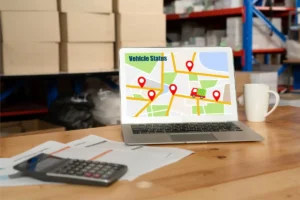
EDDM Retail needs at least 200 pieces and permits up to 5,000 per ZIP Code each day. USPS lists postage at 26 cents per piece for Marketing Mail flats. A working eddm route mapping tool keeps a live total as routes are added. The daily ceiling then shows up during EDDM route planning rather than on drop day, which is where every door direct mail campaigns usually lose a week. Runs that pass the ceiling get split across several days or entered on a permit.
How To Verify Your Own Routes In Fifteen Minutes

Those checks become four steps of about four minutes each, and a browser is the only equipment you need.
Search By Street Address
Start with the street address of the business, not a ZIP Code. ZIP boundaries were drawn to move mail, not to describe a trade area, so they often cut a plumber’s radius in half. Work outward from the pin until the drive time stops making sense for your crew. Strong local mail planning begins with the roads your customers already travel.
Sort The Route Table
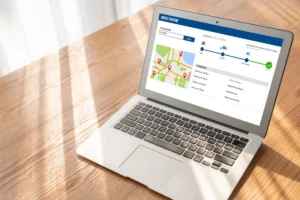
The map shows your shape. The table shows you counts, and counts are what you buy. Sort by residential deliveries first, then read across for income and age fit. Two routes that look like twins on screen can differ by 200 homes once sorted. That gap is the whole reason direct mail marketing tools exist. Our free route map tool puts the map and the sorted table on one screen. Steady every door direct mail marketing depends on the table, not the picture.
Filter Before You Select
Income, age, and household size filters belong at the start. Apply them afterward and stale picks stay in the order while the total keeps counting them. A capable EDDM mailing service rebuilds a selection from the filters instead of trimming a bloated one. The same approach works when you do it yourself.
Save And Recheck Quarterly
Name the selection and save it before you close the tool. When the drop repeats, reopen the file and compare every count against current data. Do that before you approve the print order. Differences of twenty or thirty deliveries per route are normal. Across a twelve-route mailing they add up to a bundle that will not balance. Repeat drops also lower your print price over time, which is a large part of how EDDM works on a modest budget.
Four Route Traps Worth Watching For
Clean counts still leave room for judgment. These four patterns cost mailers more than anything else we come across.
- Apartment towers can add several hundred deliveries to one route and swamp an offer written for single-family homes.
- Seasonal addresses in resort towns and college districts sit dark for months, and walk sequence does not account for that.
- Route splits happen when a heavy route is divided, so a saved route ID may no longer describe the same ground.
- Business-heavy routes hold barely any homes, so they return almost nothing on consumer direct mail advertising or on any offer built around household direct mail targeting.
Frequently Asked Questions
How Often Does USPS Update Route Data?
USPS refreshes the delivery statistics behind the mapping screen once a month. Any count older than a few weeks deserves a fresh pull before you commit to a print quantity.
Can I Mail To Only Part Of A Carrier Route?
Under every door direct mail, carrier routes are all or nothing. Reaching selected households calls for a named file instead, and saturation mailing lists are the usual middle ground when whole route coverage feels too broad.
Why Do Two Tools Show Different Counts?
The cause is almost always refresh timing. One provider may still be running last month’s file while another has pulled the current one. Ask any EDDM mailing service which file date its quote is built on before you compare prices.
Do Demographic Filters Control Who Gets My Mail?
They do not. Those figures are route averages that help you rank postal routes against each other. Every EDDM mailing still reaches all active addresses on the mailing routes you select, whatever the filter suggests.
What Should I Confirm Before Approving A List?
Check the residential count, the route IDs, the drop date, and the daily ZIP ceiling before EDDM postcard printing begins. A reliable direct mailing tool shows all four together, and better direct mail marketing tools let you export them straight into the print order.
Bottom Lines
Verification is not paperwork. Current USPS routes decide whether your drop lands in the kitchens you meant to reach or in a row of office mailrooms. Pull fresh counts, read the residential column, and respect the daily ceiling. Save the list so next quarter starts from something real. Careful EDDM route planning done once keeps paying across every drop that follows.
Want your area checked against live data? Open the eddm route mapping tool at MailProsUSA, pull the counts for your service radius, and request a quote using the exact quantity you verified. Every door direct mail marketing works best when the route list is something you can prove, so bring yours to the conversation.