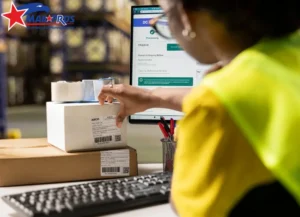
High-Performance Fulfillment Services for Marketplace Sellers


A marketplace order can be lost before a carrier misses the delivery date. The trouble may begin when an inbound carton is miscounted, stock appears on two channels at once, or a cancellation reaches the warehouse after label creation. These gaps become refunds, poor reviews, and support work when volume rises.
High-performance fulfillment services bring receiving, inventory control, order processing, packing, shipping, tracking, and returns into one accountable workflow. The right arrangement protects the delivery promise while keeping cost per order within a workable margin.
In practical terms, marketplace sellers need four things from fulfillment: an accurate stock record, dependable handling times, packaging that protects the product, and reporting that exposes exceptions quickly. Every provider, system, and service agreement should be judged against those four requirements.
What High-Performance Fulfillment Looks Like
Ecommerce fulfillment begins when inventory reaches a facility, not when a customer clicks “Buy.” Receiving errors travel through the entire operation. If 23 units arrive but 24 are entered into the system, the missing unit may not be discovered until the last order cannot be shipped.
One Reliable Record for Orders and Stock
Orders from each active marketplace should feed into one controlled record. When an item sells, available inventory must be adjusted before another channel promises the same unit. Each SKU also needs a clear status: available, reserved, damaged, returned, quarantined, or awaiting inspection.
Useful inventory management depends on disciplined daily work. Set reorder points using sales velocity, supplier lead time, and safety stock. Review negative inventory, unshipped orders, duplicate SKUs, and unexplained adjustments daily. An exception report is more valuable than a polished dashboard that hides discrepancies.
Clean Handoffs From Receiving to Delivery
A dependable order fulfillment process has visible checkpoints. Inventory is counted and inspected, stored in a known location, picked against the order, verified before packing, labeled correctly, and transferred to the carrier within the promised handling window. Tracking must then return to the marketplace without delay.
Sellers considering outside support should review the verified scope of MailProsUSA fulfillment services and match each required task to a written workflow. Platform connections, service levels, product restrictions, and return handling should always be confirmed before inventory is transferred.
Select a Model That Fits the Business
Marketplace sellers can keep fulfillment services in-house, use a marketplace program, hire a third party logistics provider, or combine models. Product size, order frequency, destinations, marketplace rules, and packaging control determine the best fit.
In-House and Marketplace-Operated Options
Self-fulfillment provides control over inspection, presentation, and unusual packing. It can suit low-volume catalogs, expensive products, or items needing specialist handling. Its cost includes labor, storage, software, supplies, equipment, carrier pickups, supervision, and error recovery—not only postage.
A marketplace-operated fulfillment center may simplify orders sold there. Examine current storage fees, preparation requirements, return rules, aged-inventory charges, eligibility, and peak policies. Review the decision regularly because marketplace terms can change.
Third-Party and Hybrid Fulfillment
A fulfillment company can provide warehousing, pick and pack support, shipping services, returns processing, and related logistics services. This model becomes attractive when space is tight, peaks strain the team, or fulfillment distracts staff from products and customers.
In a hybrid model, fast-moving SKUs may stay in a marketplace program while bundles, direct-store orders, inserts, or overflow move through another provider. Assign every SKU and channel a source of truth before splitting stock.
Protect Marketplace Performance With Practical Controls
Speed alone does not make a strong operation. An incorrect item shipped quickly still creates a refund. Assess fulfillment services through accuracy, timing, stock reliability, and cost together.
Define Metrics Before Signing
Include the following calculations in the service agreement:
- Order accuracy: correctly shipped orders divided by total shipped orders
- On-time handoff: orders accepted by the carrier within the stated handling window
- Inventory accuracy: recorded quantity compared with verified physical quantity
- Dock-to-stock time: hours from inbound arrival to sellable availability
- Return rate by reason: returns separated by damage, wrong item, fit, description, or preference
- Cost per order: complete fulfillment expense divided by shipped orders
Treat Packaging and Returns as Quality Controls
Create a packing specification for each SKU family. Record the carton, protective material, insert, seal, and label position. Test products under realistic shipping conditions, especially glass, liquids, electronics, folded print pieces, or multi-part orders.
Returns provide operational evidence. A rising “wrong item” rate points toward picking or verification. Repeated transit damage calls for a packaging review. Frequent “not as described” returns may signal a listing problem. Return records must preserve those distinctions.
For additional planning context, the fulfillment integration guide explains why order data, inventory visibility, and operational coordination must be addressed together.
Compare Providers on Total Cost and Execution
The lowest advertised pick fee rarely identifies the lowest-cost option. A quote for fulfillment services must reflect the seller’s catalog, order pattern, storage profile, packaging, destinations, and returns.
Build Three Cost Scenarios
Request pricing for an ordinary, peak, and slow month. Include receiving, storage, item picks, packaging, carrier charges, account fees, minimums, address corrections, long-term storage, relabeling, inventory counts, return intake, and disposal.
Divide the monthly amount by shipped orders. Compare it with full in-house cost, including management time and error recovery. This exposes proposals that appear inexpensive because necessary charges are separated.
Verify Connections and Service Standards
Do not accept “marketplace compatible” as a complete answer. Ask which connection is used, what data moves, how often inventory updates, and who handles rejected orders. Test cancellations, split shipments, bundles, refunds, and tracking.
The agreement should define order cutoffs, receiving times, peak capacity, discrepancies, support response, claims, shrinkage, liability, and exit procedures. Confirm how inventory data will be exported when the relationship ends.
Run a Controlled Pilot
Start with representative SKUs. Send test orders to several U.S. regions, including a multi-item order. Cancel one order, complete a return, and reconcile every fee.
During the first 30 days, review open orders, stock adjustments, tracking, returns, and invoices daily. Expand volume only after consistent performance. A measured pilot is cheaper than a seasonal failure.
Where MailProsUSA May Fit?
MailProsUSA publicly describes fulfillment services involving design, printing, warehousing, order processing, and mailing support. This may suit programs involving printed materials, promotional inserts, stored campaign components, or mail preparation. The MailProsUSA company overview outlines its published capabilities.
Match Published Capabilities to the Project
Avoid sending a general request that says only “fulfillment needed.” List the exact work: receiving, storage, order import, packing, inserts, shipping, tracking, returns, reporting, and any direct mail requirements. MailProsUSA should confirm which items are supported and how the proposed warehouse fulfillment workflow will operate.
Prepare a Quote-Ready Brief
Provide SKU count, dimensions, weights, daily orders, items per order, inbound volume, storage, customer ZIP code distribution, peaks, packaging instructions, return rules, and launch date. Include current error rates or delays. A precise brief supports an accurate quote and pilot.
Frequently Asked Questions
What Do Fulfillment Services Include?
They may include receiving, storage, inventory control, order import, picking, packing, shipping, tracking updates, and returns. The exact scope varies by provider and must be documented before launch.
When Should a Marketplace Seller Outsource Fulfillment?
Consider outsourcing when storage is limited, errors are rising, peaks require temporary labor, or the full internal cost exceeds a qualified proposal.
How Much Does Marketplace Fulfillment Cost?
Pricing depends on receiving, storage, order profile, packaging, shipping zones, special handling, and returns. Compare cost per order across ordinary, peak, and slow months.
Can One Provider Support Multiple Marketplaces?
Some providers can, but each platform connection must be tested. Verify order import, inventory updates, cancellations, bundles, tracking, refunds, and returns before transferring the full catalog.
Which Fulfillment Metric Matters Most?
No single measurement is sufficient. Order accuracy and on-time carrier handoff protect the customer promise, while inventory accuracy and cost per order show whether the operation is sustainable.
To Sum Up
Reliable fulfillment services for marketplaces require accurate receiving, disciplined inventory records, tested packaging, transparent pricing, and measurable standards. Begin with current order data, locate the failures creating the most cost or customer friction, and compare providers using one scorecard.
For a project involving fulfillment, warehousing, printed materials, mailing, or coordinated delivery support, prepare the SKU, volume, packaging, destination, and timeline details before requesting a proposal. Visit MailProsUSA and submit that operating brief for review. Ask for a written scope and controlled pilot so the next stage of growth begins with verified processes rather than assumptions.