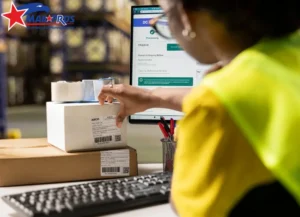
How Fulfillment Services Reduce Order Backlogs Efficiently


Fulfillment services help prevent order backlogs by managing inventory, labor, storage space, order processing, packaging and carrier handoffs through one streamlined workflow. Orders move according to prioritized orders instead of waiting on stock checks, open workstations packing supplies or manual approval for fulfillment services orders.
Order backlogs arise when accepted orders can’t be shipped within the promised fulfillment window due to capacity, incorrect inventory levels, incomplete shipping addresses, delayed replenishment, or lack of proper handling instructions. Learning these causes is the initial measure towards rectifying this large inventory of unfulfilled orders.
Businesses that need outside support can review professional fulfillment services to understand how storage, inventory coordination, packing, shipping, and mail preparation can fit into a managed operation.
Why Order Backlogs Build So Quickly?
Incoming Demand Exceeds Daily Capacity
Backlog growth refers to orders received minus orders completed. So if a promotion generates 1,000 orders and your operation completes only 650 of them on one day, 350 uncompleted orders remain, creating more backlog growth when additional high-volume days hit your operations.
Problems rarely are limited to packing labor alone. Receiving, replenishment, picking, quality checks, labeling and carrier collection all have individual capacities that may need filling, adding people at the packing table won’t help speed up receiving dock operations or catch missed parcel cutoff times.
Inventory and Order Data Create Hidden Holds
An order may still appear open even though no employee can complete its fulfillment, with common holds including unavailable stock, mismatched SKUs, failed payments, invalid addresses, damaged goods and incomplete bundles. When making this distinction it will help identify whether capacity constraints exist versus data or supply issues that need attention.
Accurate inventory management keeps separate lists for sellable, reserved, damaged, returned, and inbound units. An organized warehousing facility assigns each SKU its own location, barcode number, replenishment rule and handling requirements, without these controls employees would spend unnecessary hours searching, recounting errors and correcting them while waiting lists grow longer and longer.
How Fulfillment Services Prevent Backlogs?

Connected Systems Release Orders Correctly
Professional ecommerce fulfillment depends on reliable information moving between the storefront, marketplace, accounting platform, and warehouse management system. Once payment and address checks are complete, available stock is allocated and the order is released to the correct work queue.
The fulfillment center should return stock changes, shipment status, and tracking data to the sales channel. This limits duplicate entry and overselling while exposing blocked orders early. Barcode-based cycle counts can investigate discrepancies without stopping the operation.
Standardized Picking Prevents Repeat Work
Fast warehouse fulfillment requires more than faster walking. Storage locations should reflect SKU velocity, while packing stations need the correct cartons, labels, inserts, and protective materials.
Batch, zone, and wave picking suit different order profiles. Barcode scans, item counts, weight checks, and label validation should confirm the contents before sealing. A correction inside the facility requires less work than a replacement after delivery.
For businesses planning higher volume, this guide to scaling with efficient fulfillment services provides additional context on organized storage, inventory control, and operational growth.
Flexible Capacity Protects Peak Periods
A fulfillment company should plan for ordinary demand, forecast peaks, product launches, seasonal campaigns, and returns. The plan must cover trained labor, equipment, storage, supplies, receiving appointments, and carrier pickups.
Third-party logistics can provide established infrastructure without a permanent warehouse lease. Logistics services still need defined daily capacity, order cutoffs, surge procedures, receiving times, and a response when forecast volume is exceeded.
Shipping Handoffs Happen Before Cutoff
Completed parcels still become a backlog when they miss collection. Coordinated shipping services group orders by destination, promised date, package type, and approved carrier. Manifests must close on time, and urgent exceptions need a named owner.
A disruption plan should identify alternatives in advance. Verify rates, pickup availability, package restrictions, insurance, and system connections. An unplanned carrier change may create billing, tracking, or delivery problems.
Build a Backlog-Prevention Plan Before Outsourcing

Measure the Queue and Its Causes
Before hiring fulfillment services, classify every open order by age and status. Use under 24 hours, 24–48 hours, 48–72 hours, and over 72 hours. Separate ready-to-ship orders from stock, payment, address, approval, or handling holds.
One hundred shippable orders waiting for labor require a different response from one hundred orders waiting for a supplier. Track both groups, but assign different owners and recovery plans.
Prepare Clean Rules and Product Data
Reliable order processing begins with accurate master data. Confirm SKUs, barcodes, dimensions, weights, bundle components, packaging requirements, lot controls, and return instructions before transferring stock.
Reorder points should reflect sales velocity, supplier lead time, receiving time, and safety stock. Promotions need separate forecasts. A controlled test should cover simple, multi-item, bundled, fragile, expedited, and returned orders.
Businesses preparing this handoff can use the principles in fulfillment system integration to review how inventory, order flow, and distribution responsibilities connect.
Metrics That Expose Backlog Risk Early
Daily Measures Show Where Work Is Slowing
Effective fulfillment services report more than open-order totals. Age, status, channel, shipping method, and blocking reason can reveal whether one SKU, packing rule, or carrier creates most of the delay.
| Metric | What It Measures | Why It Matters |
| Backlog count | Orders unfinished at the reporting cutoff | Shows whether work is accumulating |
| Oldest order age | Time since the earliest order was released | Prevents older orders from being overlooked |
| Order cycle time | Time from release to carrier handoff | Measures internal processing speed |
| On-time shipment rate | Orders shipped by the promised deadline | Tests service-level performance |
| Inventory accuracy | System quantity compared with physical stock | Exposes allocation and replenishment risk |
| Dock-to-stock time | Time required to receive usable inventory | Identifies receiving delays |
Service Levels Need Precise Definitions
A warehouse fulfillment agreement should define when measurement begins, which orders qualify for same-day processing, and which exceptions are excluded. It also needs reporting frequency, escalation contacts, and corrective-action deadlines.
Inventory management and shipping results should be reviewed by SKU, channel, weekday, and method. A stable average can hide repeated delays affecting one product line.
Choosing Fulfillment Services That Fit the Operation

Match Capability to the Actual Order Profile
Provider selection should begin with the work, not the rate card. Document daily and peak volume, units per order, SKU count, storage, destinations, returns, kitting, and custom packaging.
Businesses comparing outside logistics services can review this guide to choosing a 3PL fulfillment service before evaluating contracts. Ask about platform compatibility, inventory checks, cutoff times, peak limits, shipping services, and responsibility for errors.
Examine Every Cost and Transition Rule
The fulfillment company should identify receiving, storage, pick-and-pack, packaging, returns, freight, minimum-volume, account, and termination charges. Compare them with internal space, labor, software, supplies, insurance, and error costs.
Transition planning matters as much as pricing. Start with a controlled order group, reconcile inventory, test tracking notifications, and retain an agreed rollback procedure.
Frequently Asked Questions
What Is an Order Backlog?
An order backlog is the group of accepted orders that has not completed the required fulfillment steps within the expected processing period. It may include shippable orders waiting for capacity and blocked orders waiting for inventory, data, payment, or approval.
How Does a Fulfillment Center Reduce Delays?
A provider’s fulfillment services reduce controllable delays through organized storage, current stock records, planned replenishment, verified packing, and scheduled carrier handoffs. Results depend on actual capacity and agreed service levels.
What Is the Difference Between Warehousing and Ecommerce Fulfillment?
A warehouse primarily stores inventory. The broader service adds order intake, stock allocation, picking, packing, shipping, tracking updates, and often returns. Some providers offer both functions.
When Should a Business Outsource Order Fulfillment?
Outsourcing deserves consideration when volume regularly exceeds internal capacity, inventory accuracy is declining, dispatch times are slipping, or fulfillment work is taking staff away from sales and customer service. The decision should compare total cost, control, capacity, and service performance.
Can Third-Party Logistics Eliminate Every Delay?
No. Weather, carrier disruption, supplier shortages, and incorrect customer information can still affect delivery. A capable 3PL reduces controllable delays through verified inventory, planned capacity, clear ownership, and approved alternatives.
Final Thoughts
Order backlogs become manageable when each delay has a measurable cause, a responsible owner, and a response deadline. Track queue age, separate stock holds from capacity problems, verify product data, test peak procedures, and require clear service-level reporting.
The right fulfillment services should support the operation without obscuring performance. For help with printing, assembly, mail preparation, storage, inventory coordination, and delivery, contact MailPros USA. Submit the project volume, product requirements, destinations, and target dates to identify the bottleneck and build a dependable fulfillment plan.