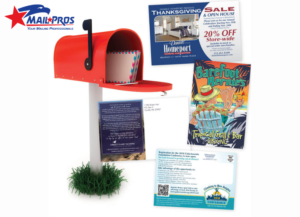
How to Create a Successful Direct Mail Marketing Campaign

Dominated by fleeting digital ads and overflowing email inboxes, physical mail has made a powerful resurgence. There is something uniquely compelling about holding a tangible piece of marketing in your hands. However, launching a campaign that generates a high return on investment (ROI) requires more than just printing flyers and buying stamps. It requires a strategic approach, precise targeting, and professional execution.
To ensure your message stands out in the mailbox, partnering with experts like Mail Pros USA can streamline the process, ensuring your materials are printed, processed, and delivered with precision. Whether you are a small local business or a large corporation, the principles of a winning campaign remain the same: strategy, design, and data.
Below is a comprehensive guide on how to build a direct mail campaign that drives real results.
1. Define Your Campaign Objectives Clearly
Before designing a single postcard, you must identify what you want to achieve. Are you looking to generate new leads, drive traffic to a website, welcome new movers to the neighborhood, or re-engage past customers?
Your goal dictates your format and offer. For example, a “Grand Opening” announcement requires a different strategy than a customer loyalty coupon. Setting clear Key Performance Indicators (KPIs) early on—such as response rate, conversion rate, or cost per acquisition—will help you measure success later.
2. Leverage Professional Direct Mail Marketing Services
One of the biggest mistakes businesses make is attempting to manage complex mailing logistics in-house. From bulk mail permits to postal regulations, the landscape can be navigating without help.
By utilizing professional direct mail marketing services, you gain access to bulk postage rates, high-quality printing, and expert advice on format selection. A professional service ensures your campaign looks polished and complies with all USPS requirements, preventing costly delays and ensuring your brand is represented professionally.
3. Build a Highly Targeted Audience List
The success of your campaign relies 40% on your list, 40% on your offer, and 20% on your creative design. If you send a great offer to the wrong people, it will fail. You need to ensure your mail lands in the hands of people most likely to buy from you.
Utilizing Targeted Direct Mail Marketing
Mass mailing has its place, but precision is where the highest ROI is often found. With targeted direct mail marketing, you can refine your audience based on specific demographic and psychographic data points, including:
- Age and Income Level
- Home Ownership Status
- Buying Behavior and Interests
- Geographic Radius
By narrowing your focus, you reduce waste and increase the relevance of your message, leading to significantly higher conversion rates.
4. Craft a Compelling Offer and Call to Action (CTA)
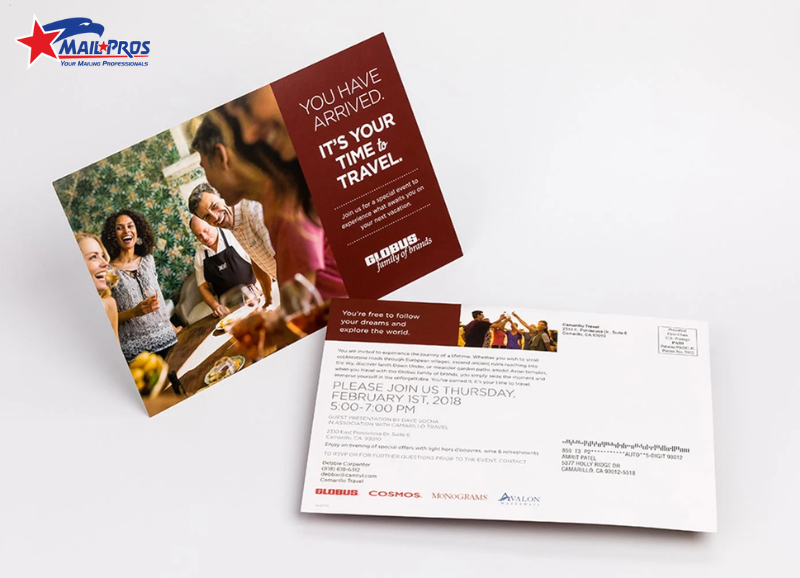
Your mail piece has mere seconds to grab the recipient’s attention. To keep it out of the recycling bin, you need a hook. This is usually a compelling offer—a discount, a free consultation, or exclusive access.
Accompany this offer with a clear Call to Action (CTA). Do not leave the next step up to interpretation. Use phrases like:
- “Scan this QR code to claim your discount.”
- “Call today for a free estimate.”
- “Bring this card in by [Date] for 20% off.”
For more background on the fundamentals of crafting these offers, you can check out my previous blog on Direct Mail, which covers the history and psychology behind physical marketing.
5. Focus on High-Impact Design and Copy
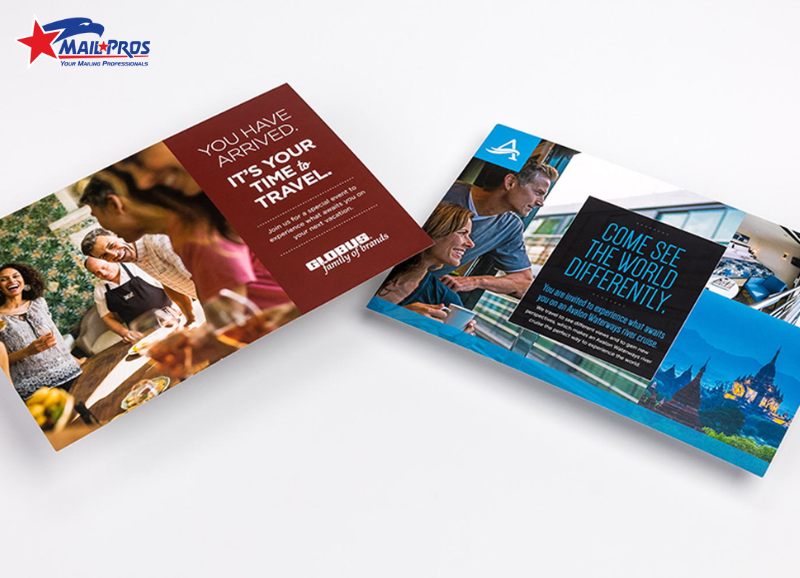
A successful direct mail marketing campaign requires a design that is visually appealing and easy to read.
- Keep it Simple: Avoid clutter. Use high-resolution images and plenty of white space.
- Headline Power: Your headline should highlight the benefit immediately (e.g., “Save Money on Your Energy Bill” vs. “We Sell Windows”).
- Quality Materials: The weight and texture of the paper matter. A flimsy postcard feels cheap; a heavy, glossy card feels valuable.
6. Bridge the Gap Between Physical and Digital
Modern direct mail works best when it is integrated with digital marketing strategies. This is often referred to as an omnichannel approach.
Enhancing Results with Direct Mail Plus
To truly supercharge your campaign, you should look into advanced tracking technologies. Solutions like Direct Mail Plus allow you to integrate your offline mail with online advertising.
This technology can track when mail arrives and simultaneously trigger digital ads to appear on the recipient’s social media feeds or Google searches (IP targeting). It also offers call tracking and QR code analytics, providing you with a complete picture of customer attribution. This “surround sound” marketing effect increases brand recall and response rates.
7. Measure, Analyze, and Optimize
Once the campaign has concluded, the work isn’t over. You must analyze the data against the KPIs you set in step one.
- Response Rate: How many people contacted you?
- Conversion Rate: How many people actually purchased?
- Cost Per Lead: Total campaign cost divided by the number of leads.
Use this data to refine your next mailing. perhaps the design needs tweaking, or the list needs to be tighter. Testing (A/B testing) different headlines or offers is key to long-term growth.
FAQs
What is the average response rate for direct mail?
The average response rate for direct mail varies by industry and list type. Generally, house lists (your own customers) generate a 5% to 9% response rate, while prospect lists (cold contacts) typically see response rates between 1% and 3%.
How much does a direct mail campaign cost?
Costs depend on factors like volume, paper quality, postage rates (Standard vs. First Class), and list purchase fees. However, bulk mail services can significantly lower postage costs compared to standard retail rates.
What is the difference between EDDM and Targeted Direct Mail?
EDDM (Every Door Direct Mail) saturates a specific carrier route, delivering to every home in that area without names. Targeted Direct Mail uses a specific mailing list to send to individuals based on demographics, regardless of where they live.
How long does it take to launch a campaign?
A typical timeline includes design, approval, printing, and mailing. This process usually takes 1 to 2 weeks. However, using professional services can expedite printing and processing times.
Can I track the results of my direct mail campaign?
Yes. You can track results using unique coupon codes, dedicated phone numbers (call tracking), personalized URLs (PURLs), or QR codes that lead to specific landing pages.
Is direct mail effective for digital businesses?
Absolutely. Direct mail is a powerful way for digital-first businesses to cut through digital noise. It provides a tangible touchpoint that can drive high-quality traffic to a website or app.
How many times should I mail the same list?
Consistency is vital. It is often recommended to touch the same audience at least 3 to 5 times to build familiarity and trust. Multi-touch campaigns almost always outperform “one-and-done” mailings.
Conclusion
Creating a successful direct mail marketing campaign is a blend of art and science. It requires understanding your audience, crafting a persuasive message, and utilizing the right technology to track your success. By following these steps and integrating digital tools, you can transform your mailbox marketing into a powerful revenue generator.
For more insights, tips, and industry updates on optimizing your marketing strategies, be sure to visit the Mail Pros USA blog.