How to Start an EDDM Marketing Campaign That Drives Local Results

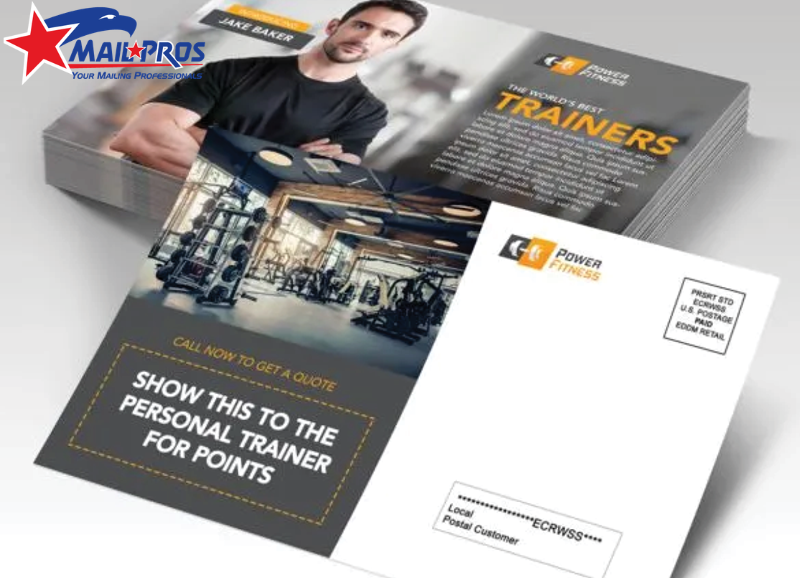
Every Door Direct Mail reaches a defined neighborhood without requiring a list of household names and addresses. A business selects USPS carrier routes, prepares a compliant mailpiece, and reaches every eligible address on those routes.
Careless route selection or an unclear offer can waste the budget. A reliable campaign starts with one measurable goal, uses customer evidence, follows current postal rules, and connects responses to revenue.
To start an EDDM campaign, define the desired conversion, calculate the break-even point, select relevant carrier routes, create one useful offer, verify the mailpiece, test a controlled area, and measure results by route.
USPS information in this guide was reviewed in July 2026.
Decide Whether EDDM Matches the Campaign
Use EDDM for Broad Neighborhood Relevance
EDDM is a saturation-mailing service. It works best when an offer could interest a meaningful share of local households. Suitable uses include grand openings, restaurant promotions, seasonal home services, community events, and real estate activity.
Geography should influence the buying decision. A restaurant needs a workable delivery radius, while a home-service company may favor housing types it serves. This is neighborhood marketing at route level.
Choose a List When the Audience Is Narrow
Carrier-route demographics are averages. EDDM cannot isolate recent movers, known customers, job titles, or owners of one narrowly defined property type.
When only a small segment is likely to qualify, a targeted direct mail campaign may produce less waste. The practical distinction is simple: use EDDM for broadly relevant local coverage and list-based mail when recipient-level precision matters.
Define the Result Before Selecting Routes
Name One Conversion That Matters
A campaign becomes measurable when one action counts as the primary conversion: a booked estimate, purchase, appointment request, tracked call, or redeemed offer. “Increase awareness” is too broad unless the mailing can be connected to searches, visits, or sales.
A useful objective includes a number, area, and response window: “Generate 20 qualified estimate requests from three routes within 30 days.” That target informs the offer, quantity, tracking, and follow-up.
Establish an Allowable Campaign Cost
Add design, printing, postage, preparation, landing-page, and tracking expenses. Then calculate contribution profit per customer: revenue minus direct delivery or service costs.
Campaign cost ÷ contribution profit per new customer = break-even customers
A $1,800 campaign producing $300 in contribution profit per customer needs six customers to break even. If that target is unrealistic, reduce the test area, strengthen the offer, or use a more precise method.
Find Routes That Resemble Profitable Customer Areas
Start With First-Party Location Evidence
Plot customers who purchased, booked, or requested estimates during the previous 6 to 12 months. Look for clusters, travel distance, property characteristics, repeat purchases, and higher-value orders. Location patterns are sufficient; names are unnecessary.
The nearest neighborhood is not automatically the best. A route farther away may fit the service better than a nearby route dominated by unsuitable housing or businesses.
Apply Practical Route Filters
The EDDM map tool shows route counts, delivery types, household characteristics, and estimated postage. The USPS EDDM Online Tool provides the official route-selection interface. Treat demographic figures as filters, not guarantees.
Before selecting a route, confirm:
- It falls inside the actual service or delivery area.
- Its housing pattern supports the offer.
- Its profile resembles profitable customer clusters.
- The address count fits the test budget.
- Available capacity can handle a strong response.
Start with a manageable route group. A controlled local direct mail test produces more useful evidence than a citywide drop with no comparison plan.
Give the Mailpiece One Clear Job
Build the Offer Around a Local Need
An effective offer combines relevance, clear value, and a reasonable deadline. “Schedule an air-conditioning tune-up by April 30 and receive a $40 service credit” communicates more than “Call for savings.” Display material terms, limits, exclusions, and deadlines clearly.
Use one primary call to action. A QR code, campaign URL, phone number, or offer code should lead directly to the next step. The landing page and staff must recognize the same offer.
Design for the Mailbox and the Phone
Run a five-second check before approving the artwork. Someone unfamiliar with it should identify the business, offer, and required action. If not, remove competing copy.
Strong mailpiece design uses a specific headline, readable contrast, one relevant image, and enough open space. Keep the business name, contact details, service area, and terms legible. Professional EDDM postcard printing supports a clear message but cannot rescue an unfocused one.
Confirm USPS Requirements Before Printing
Check the Physical and Addressing Standards
USPS treats EDDM Retail mailpieces as flats. Each piece must weigh no more than 3.3 ounces and exceed at least one threshold: 10.5 inches long, 6.125 inches high, or 0.25 inch thick.
The permitted ranges are:
- Length: 3.5 to 15 inches
- Height: 3.5 to 12 inches
- Thickness: 0.007 to 0.75 inch
Height cannot exceed length. The piece also needs a simplified address, such as “Postal Customer,” and the EDDM Retail indicia. Check the dimensions and current USPS EDDM requirements before approving the print run.
Select the Correct Entry Method
An EDDM Retail mailing requires at least 200 pieces; the daily limit is 5,000 per ZIP Code. No special permit is required. Higher-volume BMEU campaigns require a Business Customer Gateway account, bulk-mailing permit, and eligible USPS entry facility.
As of July 12, 2026, EDDM Retail postage is $0.260 per piece for flats weighing up to 3.3 ounces. Rates can change, so confirm the amount in the current USPS price list.
For a self-managed Retail mailing, separate pieces by route, bundle 50 to 100 pieces, keep bundles no higher than 6 inches, attach facing slips, complete PS Form 3587, and use the Post Office in the order summary.
Launch a Test That Can Produce Useful Evidence
Protect the Response Window
Build the schedule backward from the offer date. Allow time for artwork, printing, postal preparation, acceptance, and delivery. A drop-off date is not a guaranteed in-home date, so short promotions need adequate margin.
Check inventory, appointment capacity, phone coverage, redemption instructions, and the mobile landing page before mailing.
Change Only One Major Variable
Divide comparable routes into groups and change one element, such as the headline, offer, or size. Keep everything else consistent; otherwise, the response rate will not reveal what caused the difference.
Record delayed calls and sales from longer buying cycles. Repeat the mailing after the first drop establishes a useful baseline.
Connect Every Response to Revenue
Create Route-Level Campaign Attribution
Assign a distinct offer code, QR destination, URL parameter, or phone number to each route group. Record the source of calls, appointments, and redemptions, then connect responses to completed sales.
Return on investment = (campaign-attributed contribution profit − campaign cost) ÷ campaign cost × 100
Contribution profit is more useful than gross sales because it includes direct fulfillment costs.
Let the Numbers Shape the Next Mailing
Review response rate, qualified leads, conversion rate, cost per lead, acquisition cost, and contribution profit by route. Expand combinations above break-even; revise or stop those that repeatedly fall short.
Record the date, route IDs, quantity, artwork, offer, cost, conversions, and revenue. This becomes a practical guide to future neighborhood investment.
Frequently Asked Questions
What Is EDDM Marketing?
EDDM is a USPS saturation-mailing service that delivers a promotional flat to every eligible address on selected routes. Simplified addressing removes the need for household names.
How Much Does an EDDM Campaign Cost?
Include design, printing, postage, preparation, and tracking. EDDM Retail postage is $0.260 per piece as of July 12, 2026; verify the current rate before budgeting.
What Mailpiece Sizes Qualify for EDDM?
The piece must qualify as a USPS flat. Common formats include 6.5-by-9-inch and 8.5-by-11-inch mailers, but test every design in the USPS size checker.
Does EDDM Require a Mailing List or Permit?
EDDM Retail requires neither a household list nor a special permit. BMEU supports larger campaigns and requires a bulk-mailing permit.
How Should a Business Track EDDM Results?
Use route-specific QR codes, URLs, phone numbers, or offer codes. Match responses to qualified leads, sales, contribution profit, and campaign cost.
Conclusion
A productive EDDM campaign is built before the postcards reach the press. The business needs a defined conversion, a realistic break-even target, evidence-based routes, one relevant offer, verified specifications, and route-level tracking.
Prepare the service area, campaign goal, offer, preferred timing, and estimated quantity, then ask MailProsUSA to review the plan. Confirm the routes and postal specifications before printing, launch a controlled first drop, and use the results to decide where the next mailing should expand.