Postcard Printing That Gets Results: A Practical Direct Mail Guide

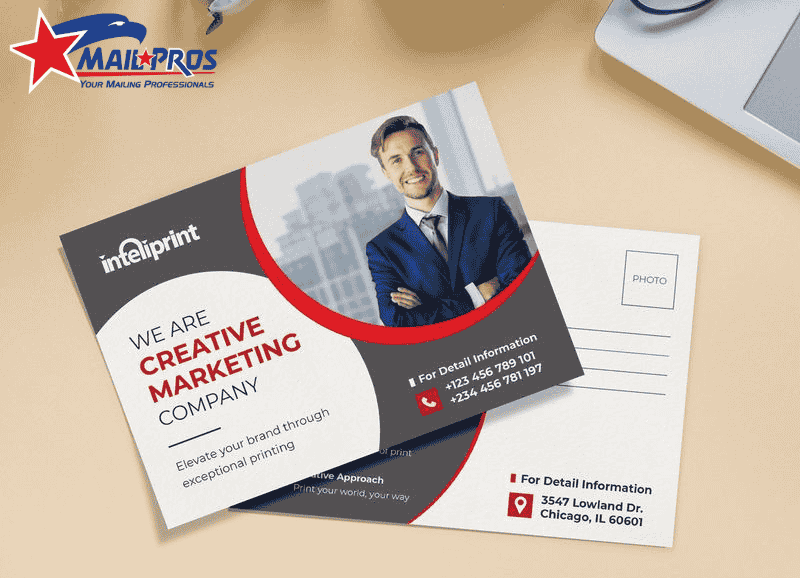
Postcard printing can turn a short message into a trackable local campaign. The format works best when one audience, one offer, and one next step guide every decision. Paper stock and artwork still matter, but they cannot rescue weak targeting or an unclear reason to respond.
The practical formula is simple: reach the right homes or businesses, show a useful offer, make the card easy to scan, and track what happens next.
Start With the Business Decision
Define a Response Worth Paying For
A postcard needs a business goal before it needs a design. Possible goals include estimate requests, appointment bookings, store visits, and repeat purchases. Choose one result and give it a target number. For a repair company, “30 qualified estimates from 5,000 cards” is more useful than “more awareness.”
Before postcard printing begins, record four items: the desired action, the value of a new customer, the maximum acceptable acquisition cost, and the dates when the offer will be valid. Those details keep creative decisions tied to business value.
Give the Audience a Timely Reason to Act
The offer should fit the recipient’s current need. A roofing company may promote an inspection before storm season, while a restaurant may introduce itself to nearby residents with a first-visit offer.
Clear terms matter. State what the person receives, how to claim it, and when it expires. If exclusions apply, make them readable. An offer that looks attractive but creates confusion at checkout can damage trust.
Match the Mailing Method to the Market
Use EDDM When Location Defines the Audience
Every Door Direct Mail reaches eligible addresses on selected carrier routes without a named mailing list. It is useful when most nearby households could become customers, as with restaurants, gyms, retailers, and home service companies.
USPS states that EDDM Retail generally accepts 200 to 5,000 pieces per day per ZIP Code. The online tool also provides route counts and available area data. Because size, indicia, paperwork, and preparation rules can change, confirm every campaign through the current USPS EDDM guidance before sending artwork to press.
Use Targeted Mail
Targeted direct mail is better when only part of a market is likely to qualify. Examples include past customers, new movers, selected property types, or companies in a specific industry.
This postcard printing approach depends on list quality. Duplicate records, incomplete addresses, and outdated data waste postage. Clean the file, apply required suppressions, and confirm that each selection rule serves the campaign. A reliable targeted mailing list can narrow the audience by useful location, household, or business criteria.
Variable data printing can change a name, branch, image, or offer from one card to the next. Personalization should feel helpful, not intrusive.
Make the Message Clear at First Glance
Let the Front Earn a Second Look
The front has one job: communicate the main benefit quickly. “Book Your Furnace Check Before Cold Weather” is clearer than “Complete Home Services” because it states the service, timing, and reason to act. Good postcard printing keeps that headline readable and uses one image that supports the offer.
Use the Back to Remove Doubt
The back should complete the decision by answering:
- What is included?
- Who can use the offer?
- What action should happen next?
- When does the offer end?
One primary call to action is usually enough. A phone number, QR code, and short URL may appear together when they lead to the same outcome. Test the code from a printed proof under normal lighting. The landing page should load well on a phone and repeat the same headline, offer, and deadline.
Choose Print Specifications Before Final Artwork
Size Can Change Postal Cost
A 4-by-6-inch card works for simple offers and reminders. Larger pieces create room for maps, menus, or comparisons, but they may fall into a different postal category.
USPS separates postcards, letter-size pieces, and flats by size, thickness, shape, and mail class. An “oversized postcard” may not qualify for the same price as a smaller card. Review the USPS postcard size guidance and confirm the category before design approval.
A qualified postcard printing service should check trim size, address space, barcode space, thickness, and mailing method together.
Stock and Coating Should Support the Offer
Gloss adds depth to colorful photographs. Matte reduces glare and suits a restrained design. Uncoated cardstock works well when the card needs to be written on.
Readability, durability, postal compatibility, and brand fit matter more than novelty. A sample can reveal glare and texture that a screen cannot show.
Complete a Real Print Preflight
Before approving the artwork:
- Add the bleed requested by the printer.
- Keep text, QR codes, and offer terms inside the safe area.
- Use sharp images, usually 300 pixels per inch at final size.
- Supply vector logos when possible.
- Check prices, dates, phone numbers, URLs, and legal terms.
- Confirm the address block, barcode clear zone, and postage indicia.
Review both sides at actual size. A final proof is the last practical chance to catch a wrong date or unreadable disclaimer before thousands of copies are produced.
Turn Delivery Into a Measurable Response
Connect the Card to One Destination
Direct mail and digital marketing should support the same decision. Sending a QR scan to a general homepage makes the visitor search for the offer again. A dedicated page removes that step.
The page should repeat the offer, add relevant proof, and provide one short form, booking button, or phone action. Route-specific codes can show which neighborhoods produced useful leads. For broad local coverage, this method can pair EDDM postcard printing with carrier-route reporting.
Work Backward From the Response Window
Printing and mail delivery are separate. Plan backward from the event, sale, or appointment window. Allow time for list preparation, proof approval, production, postal entry, delivery, and customer action.
Do not print an expiration date before confirming that schedule. USPS Marketing Mail may receive deferred handling, and USPS does not promise a fixed delivery time for that class. Time-sensitive campaigns need a mailing plan that matches the real decision window.
Measure Profit, Then Improve One Variable
A scan is not the final result. Track delivered pieces, responses, qualified leads, sales, and gross profit. Promo codes, campaign URLs, dedicated phone numbers, and source fields can connect those stages.
Use the same formulas for every postcard printing campaign:
- Response rate = responses divided by delivered pieces
- Conversion rate = sales divided by responses
- Cost per acquisition = total campaign cost divided by new customers
- Marketing return = attributed gross profit minus campaign cost
Include design, data, printing, postage, landing-page, and call-tracking expenses. Test one major change, such as the offer, headline, image, or audience. Changing several elements will hide what worked. Larger campaigns may benefit from bulk mailing services that combine list processing, presorting, printing, and USPS entry.
Frequently Asked Questions
What Size Is Best for a Marketing Postcard?
The best size depends on the message, mail class, and budget. A 4-by-6-inch card suits short offers. Larger cards provide more space but may follow different preparation and postage rules.
Is EDDM Better Than a Targeted Mailing List?
EDDM works when nearly every address on selected routes could become a customer. Targeted mail is better when the campaign depends on customer history, property type, or business category.
What Should a Direct Mail Postcard Include?
Include a benefit-led headline, relevant image, concise offer, visible brand, clear terms, and one main action. Contact options can vary, but they should all support the same campaign goal.
How Can Postcard Results Be Tracked?
Use a unique promo code, campaign URL, QR code, dedicated phone number, or source field. Connect the response to qualified leads and completed sales so the report measures business value rather than visits alone.
How Early Should Postcards Be Mailed?
Timing depends on proofing, quantity, finish, mail class, destination, and the desired arrival window. Build the schedule backward and confirm the mailing plan before approving the expiration date.
Conclusion
Effective postcard printing is not a contest for the brightest coating or largest headline. Results depend on the fit between the audience, offer, format, delivery plan, and measurement method. Set one goal, verify postal requirements, test the response path, and improve the campaign with real sales data.
MailProsUSA helps U.S. businesses coordinate design preparation, postcard production, targeted lists, EDDM, and mailing. Request a quote with the audience, quantity, offer, preferred delivery window, and response method. Those details give the team a practical starting point for moving the campaign from plan to mailbox.