How Variable Data Improves Generic Postcard Campaign Results

Generic mail treats every address as if the person behind it has the same needs. The headline stays fixed, the offer never changes, and the image must appeal to everyone. Strong postcard campaigns work differently. They use dependable customer information to make selected parts of the card more relevant without rebuilding the entire design.
This approach gives postcard marketing a practical purpose beyond broad exposure. A homeowner can see the nearest location. A previous buyer can receive a relevant offer. A prospect can reach a page created for that audience segment. When those details support one action, postcard printing becomes part of a measurable campaign rather than a simple print order.
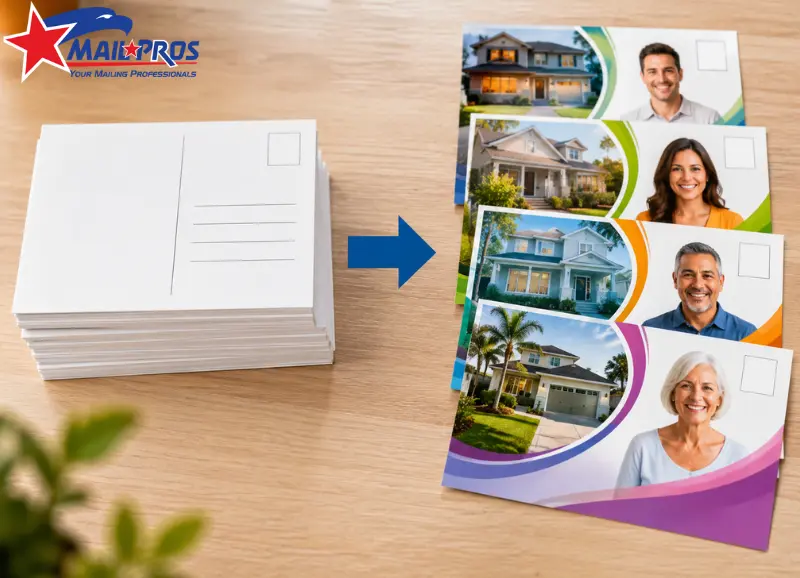
Variable data connects a customer file to flexible areas in a postcard template. Names, headlines, images, locations, offers, response codes, or URLs can change by record. This makes postcard campaigns more useful because each recipient sees information selected for a valid business reason.
The method supports targeted marketing but does not repair weak strategy. Accurate data, an appropriate offer, readable artwork, postal preparation, and dependable mailing services still determine whether the finished piece deserves attention.
Why Generic Postcard Campaigns Lose Attention?
A uniform card can build awareness, yet it may ignore the reason a person would respond now. New prospects, active customers, and inactive customers have different relationships with a business. Direct mail marketing becomes more precise when those groups receive messages based on a real distinction.
The problem also appears across markets. Weather, inventory, store locations, and service availability may differ. Better print marketing keeps the brand recognizable while adapting details that influence the decision.
Relevance also improves clarity. Weak print advertising often promotes unrelated services at once. A focused card gives the reader one benefit, one suitable offer, and one next step. That narrower path reduces confusion without making the message feel overly personal.
How Variable Data Makes a Postcard More Useful?

Variable data printing, commonly called VDP, starts with one approved design. The logo, required terms, and layout can stay fixed. A name, local image, product category, appointment window, or response path can change.
During production, a data merge allows custom postcards to change by record. Approved rules control each version. When an optional value is missing, a planned fallback prevents an empty field or unfinished placeholder.
Personalization works best in layers:
- Identity details use a properly formatted name and deliverable address.
- Segment details adjust the headline or image for a defined audience.
- Offer details match customer status, service timing, or local availability.
- Response details assign a promotion code, tracked URL, phone extension, or personalized URL.
That order matters. Personalized printing should support a decision, not display everything in a database. Marketing postcards for a dental office may show the nearest clinic and a general service category, but not private treatment information.
Business postcards need flexible areas for long names, different offer lengths, and image changes. Testing those limits protects readability and keeps the call to action visible. That preparation turns changing data into dependable postcard campaigns.
From Customer Data to the Mailbox
The production sequence determines whether personalization feels relevant or careless. MailProsUSA’s bulk mailing workflow connects list processing, creative production, presort, and USPS preparation. That sequence also supports variable direct mail campaigns.
Begin with one response goal
Choose one action: call, scan, schedule, visit, redeem, or request a quote. The goal determines the necessary data and tracking method. Remove offers that compete with it.
Use trustworthy data
Remove duplicates, correct inconsistent capitalization, find missing apartment numbers, and verify every printed value. Use authorized, appropriate information that recipients would reasonably expect.
Postal checks belong here. The USPS explains that CASS-certified methods assess address matching and coding for automation-priced mailings. Lets licensed providers check lists against recorded address changes.
Build segments around meaningful differences
A segment should change the message for a reason. Customer status, product interest, location, service interval, or time since the last order may justify another headline or offer. Separating groups that receive identical content adds complexity without value.
The MailProsUSA guide to personalization in direct mail explains how names, images, and messages can support the campaign goal.
Protect the design with fallback rules
Document the source, format, allowed values, and destination of each field. Decide what appears when data is missing. A blank name might become “Local Homeowner,” while a missing image can switch to an approved category photograph. Stop production if a required field has no safe replacement.
Proof long names, apartment numbers, large offers, missing values, and every image variation. Check type size, contrast, safe margins, barcode space, QR readability, dates, and landing pages. Seed the file with internal addresses for finished samples.
Run a controlled pilot after proofing. Keep the audience, timing, and offer steady while changing one element. A static control helps show whether personalization improved postcard campaigns or another factor caused the difference.
Measurement Completes Postcard Campaigns

Good postcard marketing records more than the number of cards sent. Teams should capture delivered quantity when available, responses, qualified leads, appointments or purchases, revenue, and total campaign cost.
Three calculations keep the review grounded:
- Response rate equals responses divided by delivered pieces, multiplied by 100.
- Conversion rate equals completed actions divided by responses, multiplied by 100.
- Cost per acquisition equals total campaign cost divided by acquired customers.
Unique QR destinations, promotion codes, tracked phone numbers, and campaign URLs connect print advertising to recorded actions. MailProsUSA’s guide to direct mail measurement explains ways to review delivery, engagement, and return on investment.
Production records matter as well. Reliable mailing services should help distinguish address problems from weak offers or poor creative. That evidence gives future print marketing decisions a factual basis instead of relying on assumptions.
Mistakes That Weaken Postcard Campaigns
Incorrect details damage trust. A wrong name, outdated location, or unsuitable recommendation is worse than a neutral greeting. Effective targeted marketing uses a limited amount of relevant information and avoids sensitive or surprising details.
Changing the headline, image, incentive, and call to action in the same test hides the cause of any improvement. Every dynamic field also needs an approved default before custom postcards enter production.
Visual hierarchy remains essential. Personalized printing cannot rescue a crowded card. The headline, benefit, offer, deadline, and response path must still be clear at a glance.
Frequently Asked Questions
Common Questions About Variable Data Postcards
What is variable data printing for postcards?
This digital production method uses a connected data file to change selected text, images, offers, or response elements between printed pieces. Approved template rules control how each version appears.
Which details can change on marketing postcards?
Common choices include names, locations, headlines, product categories, dates, images, offers, maps, promotion codes, and personalized URLs. Each field should be accurate, authorized, and useful.
How should a business prepare data for direct mail marketing?
Remove duplicates, standardize the records, check missing values, process addresses for postal accuracy, and keep the fields needed for the campaign. Every changing field should have an approved format and fallback rule.
How can teams track personalized postcard campaigns?
Use unique QR codes, tracked URLs, promotion codes, dedicated phone numbers, or customer-level response records. Compare response rate, conversion rate, acquisition cost, and revenue with a static control group.
Can a small company use variable data?
Yes. Start with one meaningful audience segment, one flexible template, and one measurable action. A limited pilot can reveal production problems and response differences before a larger order.
Wrapping It Up
Successful postcard campaigns connect trustworthy information with a relevant message, appropriate offer, and traceable next step. Clean data, controlled personalization, careful proofing, and honest measurement make that connection possible.
MailProsUSA combines list preparation, production, postal coordination, and professional postcard printing in one campaign process. Define the audience and desired response, then request a campaign review to choose the right personalization level, proofing plan, and mailing schedule.