Step-by-Step Overview of Running an EDDM Campaign

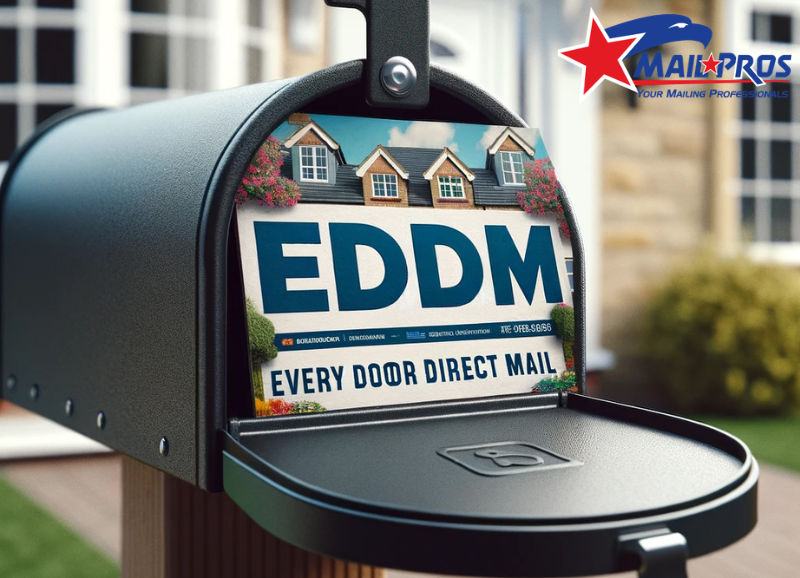
Businesses are always looking for cost-effective ways to connect with their audience in a direct and meaningful manner. While digital channels often take the spotlight, direct mail continues to produce strong and reliable results when planned and executed strategically. Among the most effective methods in direct mail marketing is Every Door Direct Mail (EDDM), which enables businesses to reach entire neighborhoods without relying on a specific mailing list.
Running a successful EDDM campaign requires more than just sending postcards it demands careful planning, strategic execution, and attention to detail at every stage. From selecting the right routes to designing compelling mailers and tracking results, each step plays a crucial role in ensuring maximum return on investment. We provides a comprehensive, step-by-step overview to help you execute a high-performing campaign that drives real business growth.
Understanding the Basics of EDDM
What is EDDM?
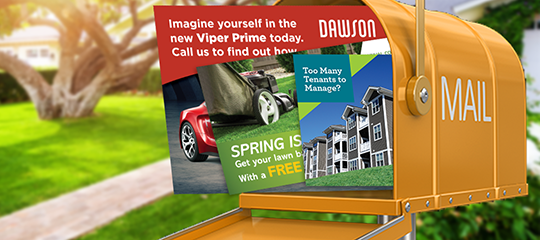
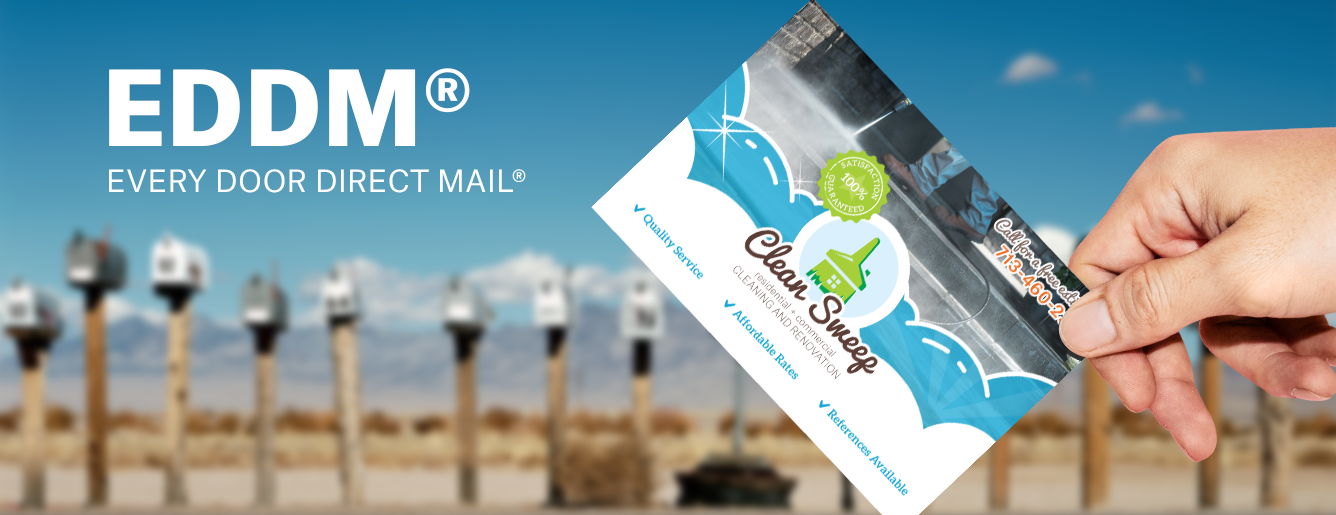
EDDM is a powerful service provided by the United States Postal Service that allows businesses to distribute promotional materials across entire neighborhoods without needing individual addresses. Instead of investing time and money into building or purchasing mailing lists, businesses can simply select specific postal routes and send their message to every home and business within those areas. This approach makes direct mail marketing more accessible, especially for small and local businesses. It eliminates the complexity of data management while still ensuring wide exposure. By covering complete geographic zones, businesses can maximize visibility and create strong local brand recognition. This method is particularly useful for promotions that aim to reach a broad audience quickly and efficiently.
Why Businesses Choose EDDM
Businesses often choose this marketing approach because it combines affordability with simplicity and wide reach, making it an ideal solution for local advertising. Unlike traditional direct mail campaigns that require detailed customer data, this method allows companies to connect with entire communities effortlessly. It is especially beneficial for businesses that want to increase awareness in nearby neighborhoods or promote limited-time offers. The ability to reach thousands of households in a single campaign helps improve visibility and customer recall. Additionally, it supports consistent branding by repeatedly exposing audiences to the same message. This makes it a reliable option for businesses aiming to establish a strong presence in their local market.
Defining Your Campaign Goals
Setting Clear Objectives
Before starting any campaign, it is crucial to establish clear and measurable objectives that align with your overall business strategy. Whether you want to drive more customers to your physical location, increase inquiries, or boost sales, defining your goal helps shape every aspect of your campaign. A well-defined objective allows you to create focused messaging that resonates with your audience. It also helps in determining the design, offer, and call-to-action for your mailers. Without a clear direction, campaigns can lose effectiveness and fail to deliver desired results. Setting goals also makes it easier to measure performance and understand what worked and what needs improvement. This structured approach ensures your efforts are purposeful and results-driven.
Identifying Target Audience
Knowing your audience is a key factor in the success of any marketing campaign, even when targeting broad geographic areas. While this method delivers mail to every address on a route, selecting the right neighborhoods based on demographics can significantly improve outcomes. Factors such as age groups, income levels, lifestyle preferences, and purchasing behavior should be considered during planning. By focusing on areas where your ideal customers are likely to live, you increase the chances of engagement and conversions. This strategic targeting ensures your message reaches people who are more likely to respond positively. It also helps in crafting relevant messaging that speaks directly to their needs and interests.
Planning Your Distribution Strategy
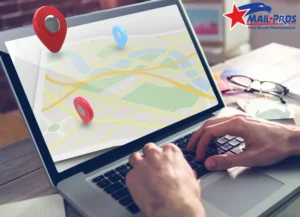
Choosing Routes
Selecting the appropriate postal routes is one of the most important steps in ensuring your campaign’s success. Careful analysis of geographic areas helps you identify locations where your target customers are concentrated. Businesses should evaluate factors such as population density, local demand, and proximity to their location when choosing routes. By focusing on high-potential areas, you can make your campaign more efficient and impactful. Strategic route selection reduces wasted effort and increases the likelihood of reaching interested customers. It also allows you to allocate your budget more effectively by prioritizing areas with higher return potential. This step plays a major role in maximizing the overall effectiveness of your campaign.
Timing Your Campaign
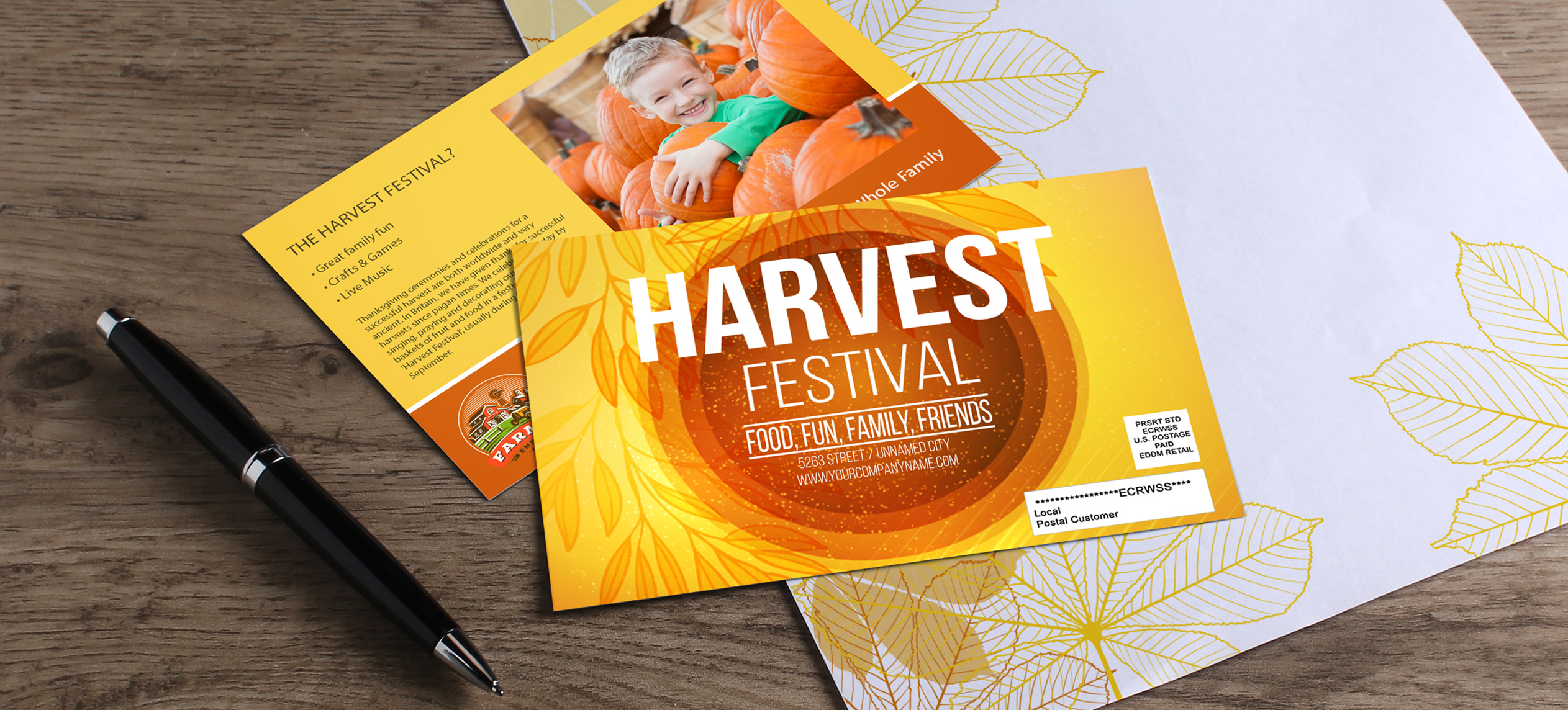
The timing of your campaign plays a crucial role in determining how well your audience responds to your message. Sending mailers at the right moment can significantly boost engagement and conversion rates. Businesses should consider seasonal trends, holidays, and local events when planning their campaigns. Understanding customer behavior patterns also helps in choosing the most effective time for distribution. For example, promotional offers may perform better during peak shopping seasons or special occasions. Proper timing ensures that your message reaches customers when they are most likely to take action. This thoughtful approach can greatly enhance the overall success and impact of your campaign.
Designing High-Converting Mailers
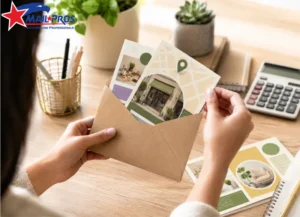
Creating an eye-catching and persuasive mailer is essential for capturing attention and driving action. Your design should reflect your brand identity while clearly communicating your message and value proposition.
- Use bold headlines and compelling visuals
- Include a strong call-to-action
- Highlight key offers or discounts
- Ensure readability with clean layouts
A well-designed mail piece not only attracts attention but also motivates recipients to take the desired action, whether it’s visiting your store, calling your business, or exploring your services online.
Printing and Preparation Process
Once your design is finalized, the next crucial step is to move into the printing and preparation phase, where your concept turns into a tangible marketing asset. High-quality printing plays a vital role in shaping the first impression of your brand, as recipients often judge credibility based on the look and feel of the mail piece. Investing in premium printing ensures that your colors appear vibrant, your text remains sharp, and your overall design stands out in a crowded mailbox. A professionally printed mailer not only captures attention but also builds trust and encourages recipients to engage with your message more seriously.
Careful attention must be given to selecting the appropriate paper stock, coating options, and finishing touches that align with your brand image and campaign goals. Maintaining consistency across all printed pieces is essential to ensure a uniform and polished appearance throughout your distribution. Additionally, proper preparation involves organizing, bundling, and arranging mailers according to postal guidelines, which helps streamline the entire process. Taking the time to prepare everything correctly minimizes the risk of delays, reduces extra costs, and ensures that your campaign runs smoothly from start to finish.
Navigating USPS Requirements
Bundling and Labeling
Understanding and following USPS requirements is a critical part of running a successful campaign, as even small errors can lead to delays or additional charges. Bundling and labeling must be handled with precision, ensuring that each group of mailers is organized according to the designated postal routes. Proper labeling allows postal workers to quickly identify and process your mail, which significantly improves delivery efficiency. When done correctly, this step helps maintain the flow of your campaign and ensures that your materials reach the intended audience without unnecessary interruptions.
It is important to pay close attention to details such as bundle size, labeling format, and route information to meet USPS standards. Any inconsistency or mistake in this process can disrupt the distribution timeline and affect your campaign performance. By carefully following the guidelines and double-checking your preparation, you can avoid complications and ensure that your mailers are handled efficiently throughout the delivery process.
Drop-Off Procedures
Once your mailers are fully prepared and bundled, the next step is delivering them to the appropriate USPS facility for distribution. This stage requires proper planning and coordination to ensure that your campaign stays on schedule and reaches recipients at the intended time. Understanding the specific drop-off locations, required documentation, and processing timelines can help you avoid confusion and streamline the entire process. Being organized at this stage ensures that your hard work in earlier steps translates into smooth execution.
Scheduling your drop-off in advance is highly recommended, as it allows you to align your campaign timeline with USPS processing schedules. This proactive approach reduces the chances of last-minute issues and ensures that your mailers are accepted without delays. By managing the drop-off process efficiently, you can maintain control over your campaign’s timing and maximize its overall impact on your target audience.
Tracking and Measuring Campaign Success
Measuring the success of your campaign is essential for understanding its effectiveness and identifying areas for improvement.
- Track response rates using unique codes or offers
- Monitor sales and customer inquiries
- Analyze return on investment (ROI)
- Gather customer feedback
By analyzing these metrics, you can refine your future campaigns and achieve even better results.
Common Mistakes to Avoid
Even well-planned campaigns can fail if certain mistakes are not addressed. Avoiding these common pitfalls can significantly improve your chances of success.
- Ignoring target audience selection
- Using weak or unclear messaging
- Overcrowding the design with too much information
- Failing to include a clear call-to-action
- Not tracking campaign performance
Being mindful of these mistakes allows you to create a more focused and impactful campaign.
FAQs
What is the main benefit of using EDDM?
The primary advantage of EDDM is that it allows businesses to reach a large number of households within a targeted area without needing a specific mailing list. This makes it both cost-effective and easy to manage. It is especially useful for local marketing and brand awareness campaigns.
How do I choose the right routes?
Choosing the right routes involves analyzing areas where your ideal customers are most likely to live or work. You should consider factors such as demographics, income levels, and local demand. Selecting the right locations greatly increases your chances of campaign success.
What type of design works best for mailers?
Effective mailer designs are visually appealing, easy to read, and focused on a clear message. Using bold headlines, strong visuals, and a compelling call-to-action can significantly improve engagement. Simplicity and clarity often deliver better results than overcrowded designs.
How can I measure campaign success?
You can measure success by tracking response rates through promo codes, special offers, or unique contact methods. Monitoring customer inquiries and sales generated from the campaign also provides valuable insights. These metrics help evaluate performance and improve future campaigns.
Is EDDM suitable for small businesses?
Yes, EDDM is highly suitable for small businesses looking to promote their services locally. It offers an affordable way to reach nearby customers and build brand recognition. With proper planning, even small campaigns can generate strong results.
Conclusion
Executing a successful direct mail strategy requires a blend of creativity, planning, and precision. From defining your goals to designing compelling mailers and ensuring proper distribution, each step contributes to the overall success of your campaign. When done correctly, this approach can deliver exceptional results by reaching customers directly in their homes and encouraging meaningful engagement.
For businesses looking to maximize their marketing impact, partnering with a trusted provider like MailProsUSA can make all the difference. Their expertise, high-quality printing, and streamlined processes ensure that your EDDM campaign is executed flawlessly, helping you achieve your business goals with confidence and efficiency.