Best Poster Printing Company in California for Businesses

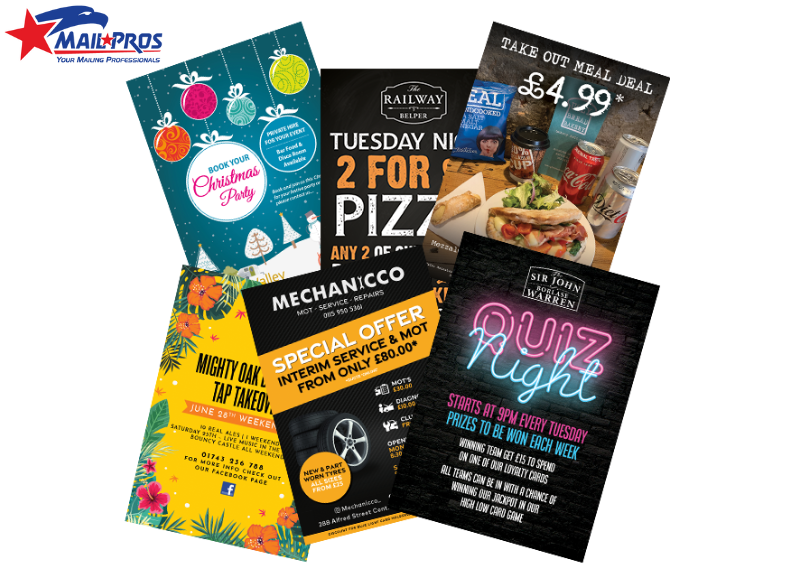
Whether you are running a tech startup in the Bay Area, a retail boutique in Los Angeles, or a service business in San Diego, the competition for attention is incredibly fierce. Digital marketing is essential, but there is a tangible authority that comes with high-quality physical marketing materials. I have seen firsthand how a well-placed, professionally designed large-format print can stop foot traffic in its tracks and drive real engagement.
However, not all wide-format prints are created equal, and choosing the wrong partner can lead to pixelated images, flimsy paper, and missed deadlines. For businesses that are serious about their local presence, investing in professional Poster Printing is one of the most cost-effective ways to amplify your brand message. It turns blank walls and shop windows into 24/7 salespeople that never get tired. In this guide, I want to walk you through what makes a printing partner truly great and how to leverage these assets for maximum return on investment.
Why California Businesses Need High-Impact Visual Marketing
California is a state that values aesthetics and professionalism; if your marketing materials look cheap, consumers often assume your product or service is too. In my years working with business owners, I have noticed that companies often underestimate the “trust factor” associated with print. When a customer sees a vibrant, high-resolution poster in a storefront or at a trade show, it subconsciously signals stability and quality. Unlike a social media ad that can be scrolled past in a split second, physical signage commands space and demands attention.
This is where finding a reliable partner like MailProsUSA becomes vital for your marketing strategy. We understand that the California sun can be harsh on outdoor materials and that the indoor lighting of a conference center requires a specific non-glare finish. A generic online printer might not warn you that your glossy finish will become unreadable under direct sunlight, but a dedicated partner who understands the local business landscape will guide you toward the right choices before you spend a dime.
Key Factors to Look for in a Commercial Printing Partner
When you are scouting for a printing company, you need to look beyond just the lowest price per unit. I have had countless clients come to me after a “budget” print job went wrong—colors that didn’t match their brand guidelines, paper that curled up after two days, or shipments that arrived after the event was over. The first thing you should verify is the quality of the substrate (the paper or material used). A standard 80lb text paper might be fine for a flyer, but a poster needs 100lb gloss cover or a rigid photo-quality stock to stand tall and look premium.
Additionally, consistency across your marketing collateral is crucial for brand recognition. If you are ordering large-format prints, you should ideally use a provider who can handle your other needs, such as Brochures, to ensure the color profiles match perfectly. Nothing looks more unprofessional than a poster featuring a specific shade of “Coca-Cola red” while the brochures next to it look pink or orange. A professional printing company calibrates their equipment to ensure your brand colors remain true across all different formats and paper types.
The Importance of Turnaround Time and Reliability
In the business world, especially in a dynamic economy like California’s, opportunities often pop up at the last minute. You might get a sudden invite to a trade show or decide to run a flash sale for the weekend. You need a printing service that offers rapid turnaround times without sacrificing quality. I have seen marketing managers panic because their materials were stuck in a shipping hub across the country. Working with a domestic expert ensures that your timelines are respected, and your materials are in hand when you need them most.
Designing Posters That Actually Convert Foot Traffic
A common mistake I see business owners make is treating a poster like a giant business card. They try to cram every single piece of information onto the sheet phone numbers, addresses, website URLs, mission statements, and three paragraphs of text. The reality is that you have about three seconds to capture someone’s attention. Effective poster design should rely on a hierarchy of information: a compelling headline, a striking visual, and a singular, clear call to action.
To get the most out of your investment, it helps to read up on poster varieties so you know which format suits your design. For example, high-gloss finishes are fantastic for image-heavy designs where color pop is the priority, while matte or satin finishes are superior for text-heavy informational posters because they are easier to read. Understanding these nuances ensures that your design translates perfectly from the computer screen to the physical world.
Beyond Posters: Integrating Print into a Full Campaign
While a poster is a powerful centerpiece, it rarely works alone; it should be part of an ecosystem of marketing materials. Imagine a scenario where a poster draws a customer toward your booth or storefront. Once they are interested, you need something to put in their hand to seal the deal. This is where smaller format items like Flyers come into play. They act as the “take-home” reminder of the visual impact the poster created.
For businesses targeting specific neighborhoods—like real estate agents or home service providers combining large signage with direct mail is a proven strategy. You might use posters at community centers or local cafes to build brand awareness, and simultaneously launch a campaign using Postcard Printing to target residents in that same area. This multi-touch approach reinforces your brand message; they see you in the coffee shop, and then they see you in their mailbox. That repetition builds the familiarity required for trust.
Specialized Formats for Niche Marketing Needs
Sometimes, a standard rectangular print isn’t enough to achieve your specific goals. I often advise service-based businesses to look into more functional print formats that encourage interaction. For example, if you are running a local service promotion, utilizing Door Hanger Printing is an excellent way to ensure your message is seen by every homeowner on a block. Unlike bulk mail that might get hidden inside an envelope, a door hanger must be physically handled by the potential customer.
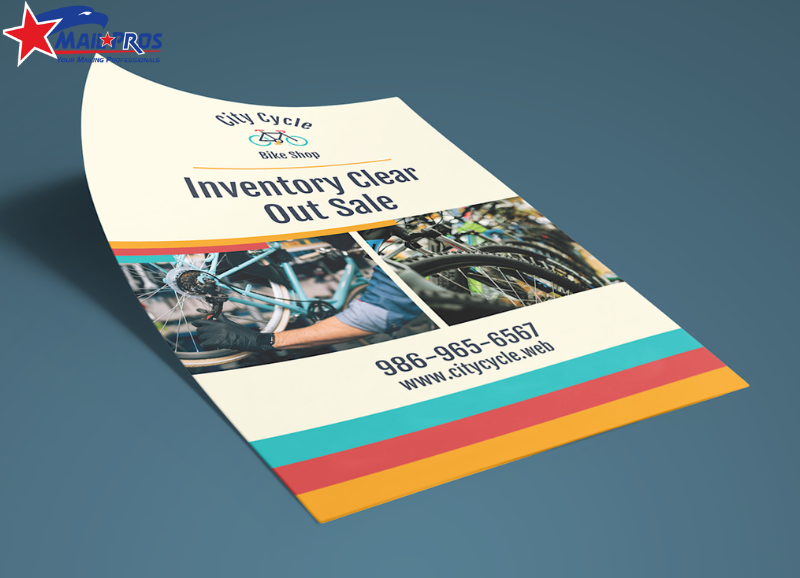
Another highly effective, yet often overlooked tool is the tear-off card. If you are posting notices on community boards or in high-traffic corridors, Rip Hanger Printing allows interested prospects to tear off a tab with your contact info or a coupon code. This is brilliant for lead generation because it removes the friction of the customer having to write down your number. They just rip the tab and put it in their pocket. It’s these small, strategic choices in print format that can significantly increase your conversion rates.
FAQs
What is the best paper stock for business posters?
For most business applications, a 100lb Gloss Cover is the industry standard. It is thick enough to be durable and not tear easily, while the glossy finish makes colors appear vibrant and professional. If you are placing the poster behind glass or under bright lights, a Matte finish might be better to reduce glare.
How high does the resolution of my image need to be for large printing?
To avoid pixelation (blurriness), your images should be at least 300 DPI (dots per inch) at the actual size you intend to print. If you download an image from the web, it is usually 72 DPI and will look grainy when blown up to poster size. Always use high-resolution photography or vector graphics.
Can I use these posters outdoors?
Standard posters are generally designed for indoor use. If you need to display them outdoors, you must request weather-resistant materials, such as vinyl or UV-coated stocks, to prevent fading from the California sun and damage from moisture. Always specify the intended location when ordering.
What is the standard size for a promotional poster?
The most common sizes for business posters are 18”x24” and 24”x36”. The 18”x24” size is great for bulletin boards and smaller shop windows, while 24”x36” is the standard “movie poster” size that commands attention in larger spaces or trade show booths.
How long does poster printing usually take?
Turnaround times can vary, but a professional domestic printing company can typically produce posters within 2 to 4 business days. Rush options are often available for urgent deadlines. It is always best to order at least a week in advance to account for shipping time.
Conclusion
Choosing the best poster printing company in California is about more than just finding a shop with a printer; it is about finding a partner who cares about your brand’s presentation as much as you do. From selecting the right paper stock to ensuring your colors are vibrant and accurate, the details matter. In a state teeming with competition, high-quality print marketing gives you the physical presence and legitimacy that digital ads simply cannot replicate.
Whether you are launching a new product, announcing an event, or simply trying to increase local brand awareness, professional printing is an investment that pays dividends. If you are ready to elevate your marketing materials, feel free to Contact Us to discuss your project. We are here to help you make a lasting impression. For more insights on marketing strategies and print tips, be sure to check out our Blog for regular updates.