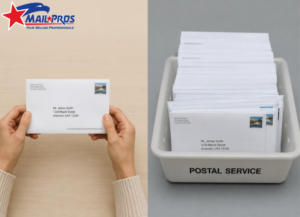

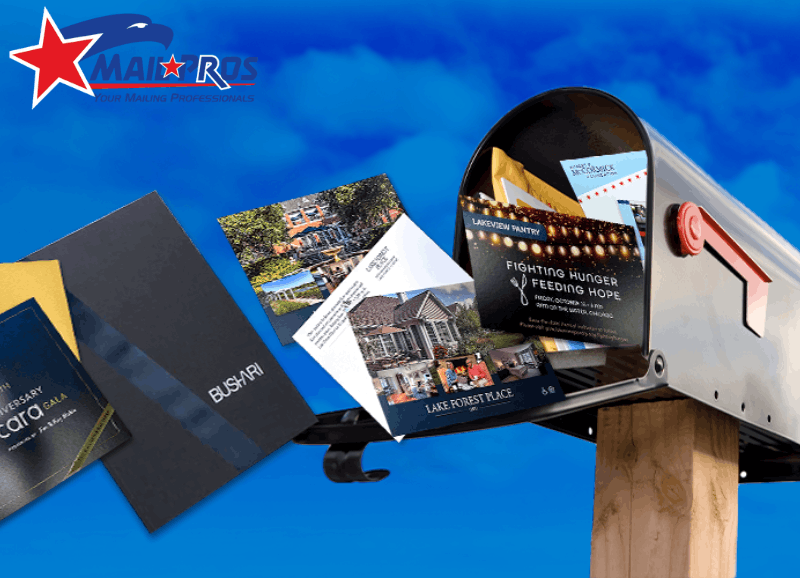
There is a distinct feeling of fatigue that sets in when you look at your email inbox in the morning. We all feel it—the barrage of promotional newsletters, the spam filters working overtime, and the quick swipe “delete” motion we’ve all mastered on our phones. As a professional in the printing and marketing industry, I see business owners struggle with this digital saturation every day. They pour money into social media ads that vanish in a scroll, wondering why their engagement numbers aren’t translating into actual handshakes or sales. This is exactly where the tactile power of physical mail comes back into play, bridging the gap that digital simply cannot cross.
When we talk about successful outreach, we aren’t just talking about printing flyers and hoping for the best; we are talking about strategic Direct Mail Services that place your brand physically in the hands of your customers. I’ve watched local businesses transform their quarterly revenue simply by shifting their focus from a crowded digital feed to the quiet, focused environment of the kitchen table. Unlike a digital ad that disappears in seconds, a well-designed postcard or brochure has staying power. It gets stuck to the refrigerator, left on the counter, or passed to a spouse. That physical presence builds trust and familiarity in a way that pixels never will.
Why Physical Mail Still Wins in a Digital World
The modern consumer is skeptical, and rightfully so. With the rise of phishing scams and relentless digital tracking, people have become protective of their online spaces. However, the mailbox remains a trusted sanctuary. When I work with clients, I remind them that opening physical mail is a ritual. Most people sort their mail over the trash can, which sounds intimidating, but it is actually a massive opportunity. For those few seconds, you have 100% of the prospect’s attention. If your piece looks professional, feels substantial, and offers value, it survives the sort. That is a level of engagement that a banner ad in the sidebar of a website simply cannot compete with.
Beyond the psychological advantage, there is the factor of longevity. I have seen clients run a direct mail campaign for a pizza shop or an HVAC service, and they will get redemptions from that same mailer three or four months later. Digital marketing is ephemeral, once your budget runs out, you disappear. Physical mail lingers. It hangs around the house, serving as a constant visual reminder of your brand. This household retention is one of the hidden metrics of direct mail that many business owners overlook until they experience it firsthand.
Precision Targeting: Getting Your Message to the Right Hands
One of the biggest misconceptions I hear is that direct mail is just spray and pray sending mail to everyone and hoping someone cares. While that used to be true decades ago, today’s technology allows for incredible precision. We can slice and dice data to ensure you aren’t wasting postage on people who will never buy from you. For example, if you are a high-end landscaper, we can target specific neighborhoods with high property values. If you are a pediatric dentist, we can target households with children under a certain age.
However, sometimes broad exposure is exactly what a local business needs. This is where Every Door Direct Mail (EDDM) shines. It allows you to saturate a specific carrier route without purchasing a mailing list. It is fantastic for businesses like restaurants or dry cleaners where proximity is the number one factor in acquiring a customer. If you are looking to blanket a neighborhood, you should explore targeted direct mail marketing options that balance cost with saturation. Choosing between a targeted list and a saturation campaign is a strategic decision that depends entirely on your specific business goals and budget.
The Role of Professional Data Services
The success or failure of a campaign often happens before the ink even hits the paper. It happens in the data. I cannot tell you how many times I’ve seen businesses try to save money by using an old, unverified list, only to have 20% of their mail returned as undeliverable. That is wasted postage, wasted printing costs, and wasted opportunity. Professional data services ensure your lists are scrubbed, updated, and validated against the National Change of Address (NCOA) registry.
Using clean data also allows for personalization. We aren’t just talking about Current Resident anymore. We can print the recipient’s name, reference their specific neighborhood, or even tailor the imagery based on demographic data. If you are curious about where the industry is heading regarding personalization and hygiene, it is worth looking into current data trends and services to see how granular targeting has become. Good data is the difference between a piece of junk mail and a relevant offer.
Designing for Impact: What Actually Increases Conversions
Design is where art meets psychology. A common mistake I see business owners make is trying to cram every single detail about their company onto a 6×9 postcard. They want to list every service, their entire history, and three different phone numbers. The result is a cluttered mess that the recipient’s brain instantly rejects. In direct mail, white space is your friend. You need a clear, bold headline that addresses a pain point, a compelling image that evokes emotion, and a very specific call to action.
The paper stock matters, too. When someone pulls your mail piece out of the stack, the tactile sensation sends an immediate signal about quality. A flimsy, thin flyer feels cheap and disposable. A thick, glossy, or matte-finish card feels valuable and professional. This tactile feedback happens subconsciously, but it heavily influences the buying decision. We often advise clients to spend a little extra on paper quality because it is the first handshake you have with the prospect.
Exploring Different Direct Mail Marketing Options
Not all mail serves the same purpose, and understanding the format is key to your campaign’s architecture. Postcards are the workhorses of the industry; they are cost-effective, easy to read, and great for offers. However, they aren’t the only option. For professional services like law firms, financial advisors, or high-ticket B2B sales, a formal letter in an envelope often yields better results because it implies privacy and importance.
Catalogs and brochures are making a massive comeback as well, particularly for e-commerce brands looking to drive website traffic. They provide a lean-back experience where customers can browse at their leisure without digital distractions. If you are unsure which format fits your business model, getting a service types overview can help clarify which physical format aligns with your brand voice. The goal is to match the medium to the message quick promos go on postcards, while relationship-building content belongs in a letter or brochure.
Measuring Success: From Mailbox to Revenue
The final piece of the puzzle is tracking. Years ago, tracking direct mail was difficult, but today, it is incredibly sophisticated. We use unique tracking phone numbers to record calls generated specifically from the mailer. We use QR codes that lead to personalized landing pages (PURLs) so we know exactly who scanned the code. This bridges the offline and online worlds, allowing us to retarget those visitors with digital ads later.
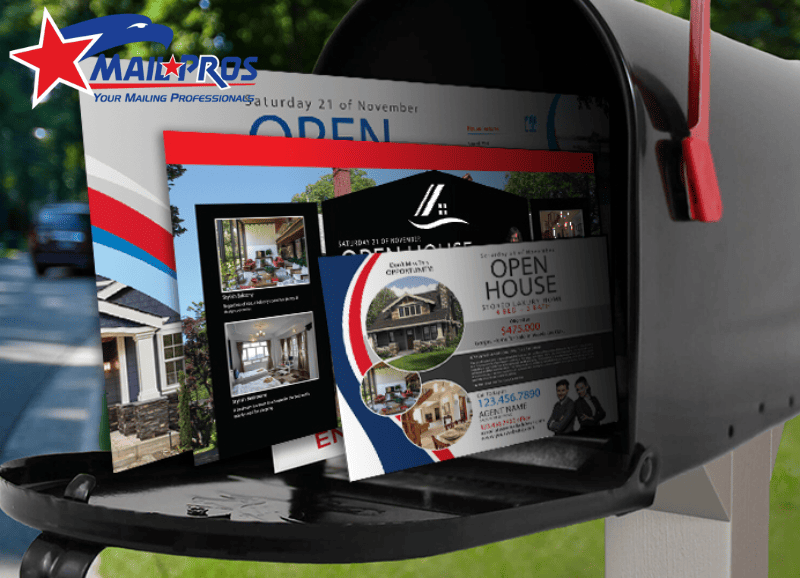
It is important to have realistic expectations regarding ROI. Direct mail is rarely a one-hit wonder. The most successful campaigns I manage are consistent. We might mail the same list three times over eight weeks. The first card creates awareness, the second sparks interest, and the third drives the action. Understanding how mail drives sales involves looking at the lifetime value of a customer, not just the immediate transaction. A new dental patient might only spend $100 on the first visit, but they are worth thousands over the next five years.
FAQs
Is direct mail more expensive than email marketing?
Yes, the upfront cost is higher because you are paying for physical production and postage. However, the response rates for direct mail are typically much higher than email. When you calculate the cost per acquisition (CPA), direct mail often provides a better return on investment because it reaches customers who actually engage with the content, rather than just deleting it.
How long does it take to launch a direct mail campaign?
A typical timeline ranges from two to four weeks. This includes designing the artwork, scrubbing the data list, printing the materials, and the actual delivery time by the USPS. While it’s not instantaneous like a social media post, the planning time usually results in a more cohesive and thoughtful marketing message.
Can I do direct mail myself, or do I need a pro?
You can technically do it yourself, but it is often a headache. Navigating USPS permit requirements, bulk mail sorting rules, and design specs can be overwhelming. Professional services save you time and often save you money on postage because we have access to bulk rates that individual business owners cannot get on their own.
Conclusion
Navigating the world of marketing can feel like walking through a maze, but direct mail remains one of the most reliable paths to your customer’s door. It cuts through the digital noise, offers a tangible connection, and builds trust in a way that screens simply cannot. Whether you are a local shop looking to build community awareness or a national brand seeking to retarget website visitors, the mailbox is an underutilized asset waiting to be tapped.
Success in this medium requires more than just a stamp; it requires strategy, clean data, and compelling design. By partnering with experts who understand the nuances of print and postage, you turn an expense into an investment. If you are ready to take your marketing offline and into the real world, MailProsUSA is here to guide you through every step of the process, ensuring your message arrives on time and on target.