Understanding the Power of Direct Mail
Why Physical Marketing Still Works
Despite the rapid expansion of digital marketing channels, physical marketing continues to maintain a strong and influential position in customer engagement. Printed mail provides a sensory experience that digital advertisements simply cannot replicate. When individuals receive a well-designed postcard, brochure, or promotional mail piece, they often take a moment to physically examine it. This tangible interaction naturally encourages recipients to spend more time reading and understanding the message. As a result, brands that invest in well-crafted mail pieces often experience stronger brand recall. Unlike online ads that disappear with a scroll, printed materials remain visible and accessible. This physical presence helps businesses maintain attention and create more memorable marketing experiences.
In addition, physical mail tends to build stronger credibility among customers. Many consumers view printed marketing materials as more legitimate and trustworthy compared to online advertisements that may appear intrusive or spam-like. Because direct mail services requires effort, design, and delivery, recipients often perceive it as more professional and authentic. This perception of reliability can positively influence a customer’s willingness to engage with the offer presented. When trust increases, response rates naturally improve. Businesses that understand this psychological advantage often incorporate printed marketing as part of a balanced strategy. As a result, physical marketing continues to deliver strong engagement even in a highly digital world.
The Psychology Behind Printed Communication
Human psychology plays a significant role in the effectiveness of printed communication. Studies in consumer behavior suggest that people process information differently when they interact with physical materials. When someone holds a printed mail piece, the experience activates multiple senses, including sight and touch. This sensory engagement can lead to deeper cognitive processing compared to quickly scrolling through digital content. Because of this deeper engagement, the marketing message is more likely to be remembered. Over time, repeated exposure to printed materials can also strengthen brand familiarity and customer recognition.
Another important advantage is the longevity of printed mail. Unlike emails or online advertisements that may disappear within seconds, direct mail often remains in homes or workplaces for extended periods. A postcard placed on a desk, refrigerator, or bulletin board may stay visible for days or even weeks. During that time, it continuously reminds the recipient about the brand and its offer. This repeated exposure increases the likelihood that the recipient will eventually respond. In many cases, customers may not take action immediately but will remember the message later when they need the product or service. This long-lasting visibility makes printed communication a powerful marketing tool.
The Growing Importance of Personalization
Data-Driven Targeting
![Direct Mail Marketing For Your Business | KKP [centername]](https://kkpcanada.ca/assets/live/0/47/reading-postcard.jpg?width=400)
In today’s competitive marketing environment, personalization has become one of the most powerful strategies for improving campaign performance. Modern businesses rely heavily on customer data to understand their audiences more effectively. This approach is especially valuable when using Direct Mail Services, as it allows companies to send targeted messages to individuals who are more likely to be interested in their products or services. By analyzing customer demographics, purchasing behavior, and preferences, marketers can develop more accurate audience segments. These insights help businesses deliver marketing materials that feel more relevant to each recipient.
For instance, a retail brand may identify customers who recently purchased a particular product category and send them a special promotion related to similar items. This type of targeted communication significantly improves engagement because the offer matches the recipient’s interests. Instead of sending generic marketing messages to a broad audience, businesses can focus their efforts on high-potential prospects. As a result, campaigns become more efficient and cost-effective. Data-driven targeting also allows companies to continually refine their strategies based on customer responses. Over time, this analytical approach helps businesses achieve higher response rates and stronger marketing outcomes.
Customized Messaging for Better Engagement
Customized messaging plays a critical role in strengthening the relationship between businesses and their customers. When marketing materials are tailored to the recipient, the message feels more personal and meaningful. Simple elements such as addressing the customer by name, referencing past purchases, or offering location-specific promotions can greatly improve engagement. These details signal that the business values the customer as an individual rather than treating them as part of a mass audience. As a result, recipients are more likely to pay attention to the message and consider the offer being presented.
Personalization also enhances the overall customer experience. When people receive marketing messages that align with their needs or interests, they feel understood and appreciated. This emotional connection increases the likelihood of a positive response. Businesses that consistently deliver personalized communication often see stronger brand loyalty and long-term customer relationships. In contrast, generic marketing messages may be ignored or quickly discarded. By focusing on customized messaging, companies can create more relevant and impactful marketing campaigns. Ultimately, this approach leads to higher engagement and improved response rates.
Creating Visually Compelling Mail Pieces
Design That Captures Attention
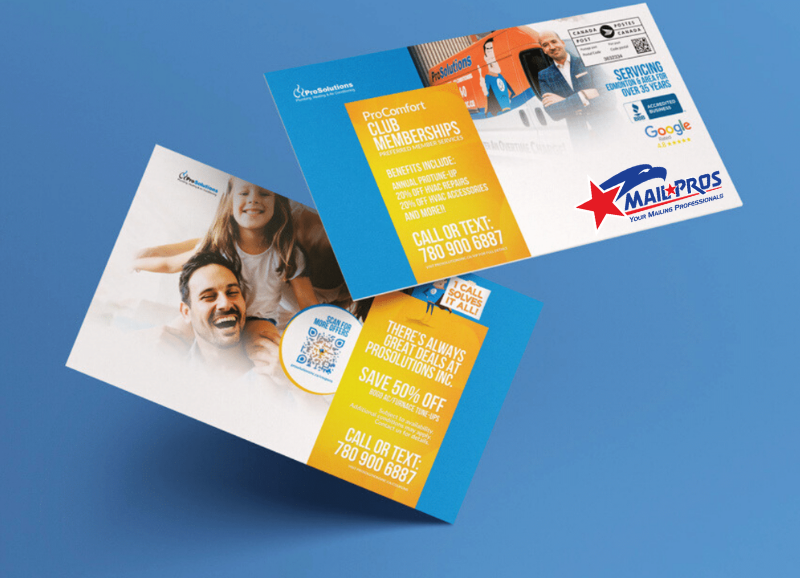
The visual design of a mail piece is often the first element that determines whether a recipient will read the message or discard it. In a mailbox filled with various advertisements, a visually striking design can immediately stand out and capture attention. Elements such as bold colors, balanced layouts, and clear typography help create an appealing presentation. When these design components are carefully combined, they guide the reader’s eye through the content in a natural and engaging way. This visual flow ensures that important information is noticed quickly.
Professional design also strengthens brand identity. A consistent visual style, including logos, color schemes, and fonts, helps businesses create a recognizable brand image. When recipients repeatedly encounter similar design elements across different campaigns, they begin to associate those visuals with the brand itself. This familiarity can increase trust and encourage customers to explore the offer in greater detail. Well-designed mail pieces also communicate professionalism and attention to detail. As a result, businesses that invest in strong design often experience higher engagement and stronger marketing results.
The Role of Professional Printing
Beyond design, the quality of printing plays a significant role in how recipients perceive marketing materials. High-quality printing techniques ensure that colors appear vibrant, images are sharp, and text remains clear and readable. Premium paper materials, glossy finishes, or unique textures can further enhance the overall look and feel of a mail piece. These details may seem small, but they contribute greatly to the impression that the brand leaves on the recipient.
Professional printing also signals that the company values quality and professionalism. When customers receive a well-produced marketing piece, they are more likely to view the brand as credible and reliable. On the other hand, poorly printed materials may create a negative impression and reduce trust. In competitive markets, these subtle differences can significantly influence customer decisions. Businesses that prioritize high-quality printing often see stronger engagement because recipients are more inclined to keep and read attractive materials. As a result, printing quality becomes a crucial component of successful marketing campaigns.
Strategic Timing and Campaign Planning
Choosing the Right Time to Send
Timing is one of the most influential factors in determining the success of a marketing campaign. Even the most creative mail piece may fail to generate responses if it arrives at the wrong moment. Businesses carefully analyze customer behavior, purchasing cycles, and seasonal trends to determine the best time to deliver their marketing materials. For example, sending promotional offers just before major holidays or peak shopping seasons can significantly increase engagement. During these periods, customers are already more receptive to new offers and purchasing opportunities.
Strategic timing also ensures that the message reaches customers when they are most likely to act. For instance, a home improvement company may send promotional mail at the beginning of spring when many homeowners start renovation projects. Similarly, educational institutions might send informational brochures during enrollment periods. By aligning marketing efforts with customer needs and seasonal patterns, businesses can improve the effectiveness of their campaigns. Careful planning allows companies to maximize the impact of each mail piece. Over time, consistent timing strategies help build anticipation and familiarity among recipients.
Consistency in Marketing Campaigns
While a single marketing campaign may generate temporary interest, long-term success often requires consistent communication with potential customers. Businesses that send direct mail services regularly maintain an ongoing presence in the minds of their target audience. This repeated exposure reinforces brand recognition and increases the chances that customers will remember the company when they need its products or services. Over time, consistent messaging builds familiarity and strengthens brand trust.
Consistency also helps businesses refine their marketing strategies. By running multiple campaigns over a period of time, companies can analyze response patterns and identify which messages perform best. This continuous learning process allows marketers to improve future campaigns and achieve better results. Customers also become more comfortable engaging with brands they encounter regularly. When recipients repeatedly see a brand in their mailbox, they begin to view it as a reliable and established presence. This sense of familiarity can play a key role in converting potential customers into loyal clients.
Integrating Direct Mail With Digital Marketing
Multi-Channel Marketing Approach

Modern marketing strategies rarely rely on a single communication channel. Instead, successful businesses combine multiple channels to reach customers more effectively. Direct mail works particularly well when integrated with digital marketing efforts such as email campaigns, social media advertisements, and dedicated landing pages. This multi-channel strategy allows businesses to reinforce their message across different platforms, increasing overall visibility. When customers encounter the same brand message through multiple sources, the information becomes more memorable and persuasive.
A coordinated marketing approach also provides customers with several ways to interact with the brand. For instance, a printed mail piece might introduce a special offer while directing recipients to a website for more details. Social media ads can then reinforce the same message, reminding customers about the promotion. This combination of offline and online communication strengthens engagement and improves conversion rates. By connecting direct mail with digital marketing channels, businesses can create a more cohesive and impactful marketing experience for their audience.
Using QR Codes and Tracking Links
Advancements in technology have made it easier for businesses to measure the performance of their marketing campaigns. By incorporating QR codes, personalized URLs, and tracking links into printed mail pieces, companies can monitor how recipients interact with their offers. When a customer scans a QR code or visits a custom landing page, marketers can collect valuable data about engagement and response behavior. This information helps businesses understand which campaigns are producing the best results.
Tracking tools also allow companies to refine their marketing strategies over time. By analyzing response data, businesses can determine which designs, messages, or offers resonate most with their audience. Future campaigns can then be optimized based on these insights, leading to improved efficiency and higher response rates. This integration of technology transforms direct mail from a traditional marketing method into a highly measurable and strategic tool. As a result, companies can make more informed decisions and continually enhance their marketing performance.
Targeting the Right Audience for Maximum Results
Audience Segmentation Strategies
Effective marketing begins with understanding the target audience. Businesses achieve this by dividing their customer base into smaller segments based on shared characteristics. These characteristics may include age, geographic location, income level, lifestyle interests, or purchasing behavior. Audience segmentation allows marketers to tailor their messaging to the specific needs and preferences of each group. Instead of sending identical marketing materials to everyone, businesses can create customized campaigns that resonate more strongly with different audiences.
Segmentation also improves marketing efficiency by focusing resources on high-potential customers. For example, a travel agency might send vacation packages to customers who previously showed interest in travel services. A fitness brand may target health-conscious individuals with promotional offers related to gym memberships or wellness products. By aligning marketing messages with the interests of each segment, businesses increase the likelihood that recipients will engage with the offer. This targeted approach ultimately leads to better response rates and stronger campaign performance.
Building High-Quality Mailing Lists
A reliable mailing list is the foundation of any successful marketing campaign. Businesses invest considerable effort into building and maintaining accurate lists of potential customers. These lists may include existing clients, qualified prospects, or individuals who have expressed interest in the company’s products or services. Regular updates are essential to ensure that addresses remain accurate and that marketing materials reach the intended recipients. Maintaining a clean mailing list reduces wasted resources and improves overall campaign efficiency.
High-quality mailing lists also help businesses target their marketing efforts more precisely. By collecting detailed customer information, companies can identify individuals who are most likely to respond to specific offers. This targeted approach reduces unnecessary costs while increasing engagement. Additionally, businesses often combine their internal customer data with external demographic information to expand their reach. When a mailing list is carefully curated and regularly updated, it becomes a valuable marketing asset. Over time, it enables businesses to run more effective campaigns and achieve higher response rates.