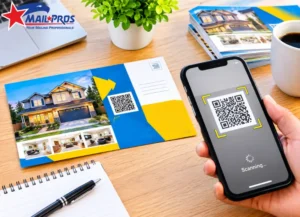
One Mailing, More Sales: Build a Repeat-Purchase Path

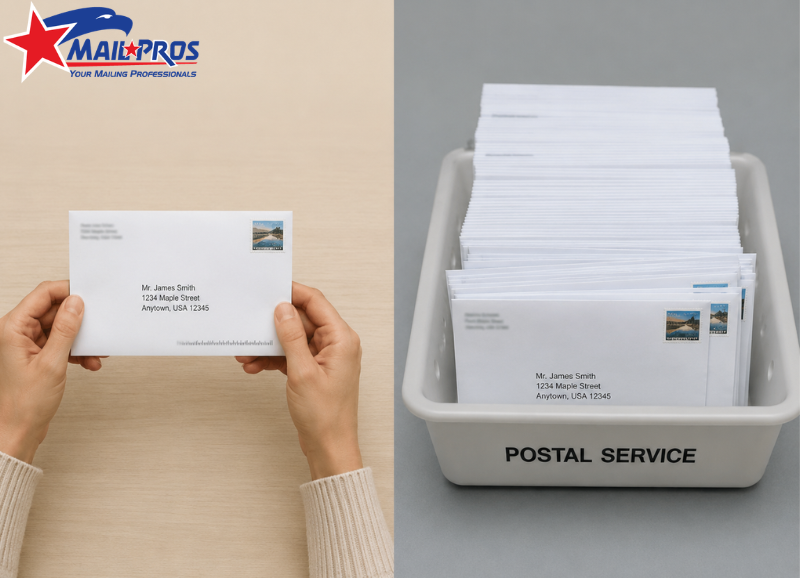
A first sale should tell you what to do next. The order date, product or service purchased, amount spent, and time between purchases can all shape the next contact. The goal is not to keep sending promotions. It is to recognize when a customer is likely to need something again and make the return path simple.
Retention mail works differently from prospecting. A new prospect needs a reason to trust the business. An existing customer can receive a more specific follow-up.
Build Every Mailing Around the Next Purchase
Start with the buying cycle, not the calendar. If customers usually reorder after six weeks, a reminder after one week is too early. If a service is seasonal, the piece should arrive before the customer starts shopping again.
A useful post-purchase campaign groups customers by what is likely to happen next. One group may be nearing a reorder window, another may be overdue, and a third may be ready for an add-on or service.
This is where customer retention direct mail becomes more useful than a blanket promotion. Purchase history gives the business a reason for the contact and improves targeted direct mail because the audience is defined by behavior, not just broad profile data.
Separate Reorders, Cross-Sells, and Win-Backs
Not every second purchase is a repeat of the first. Replenishable products call for reorder timing. Durable products may lead to accessories, maintenance, or replacement parts. Service businesses may need an appointment reminder instead.
That distinction keeps personalized direct mail useful. Personalization should change what the customer sees, not just insert a first name. The offer, image, timing, or recommendation should reflect the earlier transaction.
A lead generation mailing has a different job. It introduces the business and earns the first response. Keeping acquisition and retention separate makes later reporting much clearer.
Use a Four-Stage Repeat-Purchase Sequence

A good direct mail campaign should move with the customer. Repeating the same card does not improve relevance. A four-stage sequence gives each contact a different purpose.
Reinforce the First Purchase
The first follow-up does not need a discount. It can provide care instructions, setup guidance, warranty information, or a service reminder.
This is a natural use for direct mail postcards because the message can stay short. When a postcard fits the plan, the postcard printing service provides a clear production path.
Time the Second Offer to the Reorder Window
The next contact should arrive close to the expected need date. Use actual order history when available rather than applying one interval to every customer.
This is where direct mail automation earns its place. A CRM can trigger a send when a customer reaches a defined number of days after purchase or enters a lifecycle segment. Anyone who has already reordered should be suppressed before production.
Change the Reason to Respond
If the customer ignores the first offer, do not simply resend it. Change one meaningful variable, such as the benefit, bundle, shipping incentive, loyalty credit, service option, or timing.
This is where retention marketing becomes a test rather than a habit. Change one major element at a time so the result has a clear explanation.
Good direct mailing targeting matters here too. Remove customers who recently bought, opted out, received a refund, or no longer fit the offer. Every unnecessary piece adds cost without improving the customer experience.
Move Lapsed Customers Into Win-Back
Once the normal purchase window has passed, the message should change again. Customer reactivation works best when the customer gets a credible reason to return, such as a product update, new service, loyalty benefit, or offer tied to the earlier purchase.
This is a practical use of automated direct mail campaigns. Inactivity can become the trigger, but the sequence needs a stop rule. When a customer purchases again, the win-back path should end.
Prepare the Campaign Before Production
Before direct mail printing begins, lock the audience, offer, format, response method, and intended in-home period. Check names, addresses, expiration dates, URLs, QR destinations, phone numbers, and variable fields.
Remove duplicates and suppress customers who no longer qualify. With variable data, proof several records so different names, offers, and images are checked.
For campaigns that need design, print production, addressing, and USPS delivery coordinated by one provider, the direct mail plus service fits naturally at this stage.
Measure the Repeat Sale, Not Just the Response
A scan, call, or coupon use proves that someone responded. It does not always prove that the piece created an additional sale. Some customers would have reordered anyway.
When the audience is large enough, keep a comparable holdout group that receives no piece. Compare repeat-purchase rate, revenue per customer, contribution margin, average order value, and time to reorder. This gives postcard mailing results a business context instead of treating every response as incremental revenue.
The same separation matters for direct mail marketing. Acquisition should be measured against new-customer economics. Retention should focus on repeat purchase behavior, purchase frequency, margin, and customer lifetime value.
Turn a Winning Test Into a Repeatable Program
Once a sequence produces profitable lift, document the trigger, audience rule, offer, creative version, suppression logic, response path, and success threshold.
That is the right point to scale automated direct mail campaigns. Direct mail automation should repeat a proven rule, not hide an untested strategy behind software.
The next post-purchase campaign can change one major variable while keeping the earlier version as a control. That shows which timing, messages, and offers improve repeat behavior.
For recurring drops, the recurring campaign planning guide shows how list preparation, proofing, production, postal entry, and reporting can stay connected.
Keep Retention and Acquisition Reporting Separate
A second direct mail campaign should not be judged by the same standard as prospecting. A lead generation mailing asks whether a new customer was won. Retention asks whether an existing customer came back sooner, spent more, or returned profitably.
The second use of personalized direct mail should be based on what the business has learned. Product category, order timing, purchase frequency, and service history usually say more than decorative personalization.
That is why customer retention direct mail and targeted direct mail work best when customer status remains part of the audience rule. The goal is not maximum reach. It is a relevant contact with a customer who has a plausible reason to buy again.
Strengthen the Program With Better Audience Rules
A mature retention program should make each mailing more selective. Customers who consistently reorder without an incentive may need only a reminder. Customers who respond only to discounts may need a different margin threshold. Lapsed buyers may need to be removed after a defined period.
This is where direct mailing targeting should become stricter, not broader. Use purchase timing, order value, category, and response history to decide who enters the next drop. When a campaign needs additional list refinement, the audience targeting service provides a natural next step for narrowing the audience.
The same discipline improves retention marketing because the business stops treating every previous buyer as equally valuable.
Repeat-Purchase Direct Mail FAQs
How Soon Should a Follow-Up Be Sent After a Purchase?
Use the expected next-need date as the starting point. Review actual reorder history by product or service category and test a window before that date. A single fixed interval rarely fits every customer.
What Should a Repeat-Purchase Postcard Include?
Use one relevant reason to return, one clear benefit, and one easy response path. Direct mail postcards work best when the customer can understand the purpose of the piece in a few seconds.
Is a Discount Necessary to Get a Second Purchase?
No. Convenience, replenishment timing, loyalty credit, an add-on, free shipping, or easier booking may be enough. A discount should solve a real barrier rather than become the default offer.
Which Customer Data Matters Most for Retention?
Start with purchase date, product or service category, order value, purchase frequency, location, customer status, and response history. Those fields make direct mail marketing more relevant without unnecessary complexity.
How Should a Business Measure a Win-Back Effort?
Compare reactivated revenue and contribution margin with campaign cost, then track whether those customers purchase again. That gives customer reactivation a stronger measure than response rate alone.
Conclusion
One sale should make the next decision easier. Start with one customer segment, define the likely reorder window, choose one relevant offer, and set the suppression and measurement rules before production.
Run one controlled postcard mailing, compare the result with a holdout group when practical, and keep only what improves repeat behavior profitably. Once the process is proven, use direct mail printing to repeat it consistently instead of rebuilding the strategy every time.
A strong retention program grows from evidence, not frequency. For businesses ready to connect customer data, audience selection, print production, and postal execution, MailProsUSA can help turn the next mailing into a structured repeat-purchase program.