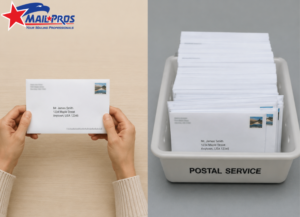


The week a house closes, the new owners have keys, a garage full of boxes, and no idea who to call when the garbage disposal jams. That gap is the opportunity. Local companies that reach new homeowners in those first weeks often get the first call, and a good first visit can turn into years of repeat work.
Volume isn’t the problem, even in a slow market. NAR’s monthly sales report put existing-home sales at a seasonally adjusted annual rate of 3.99 million in September 2026. What decides who wins those buyers is how a business runs new homeowner direct mail.
New Homeowners Are Worth Winning Early
Buying a house kicks off a spending spree most families never budget for. When Realtor.com and NielsenIQ surveyed recent buyers for a 2025 study, average spending on setting up the new place came to roughly $17,000. Some of that money lands with businesses the family had never heard of a month earlier.
Distance plays a part. NAR’s 2025 Profile of Home Buyers and Sellers found the typical seller moved 30 miles, which is often far enough that the old plumber won’t make the drive. Those same sellers had stayed put for a median of 11 years. Win a household in its first month, and you may be its HVAC company for a decade.
Fewer sales, split among the same roofers, dentists, and pest control companies, mean new homeowners get fought over harder. Local business marketing that shows up a week late risks becoming one more card in the recycling bin.
Better List Data Gets Your Card There Sooner

Direct mail advertising has an edge a social media ad lacks, because a recorded deed names the buyer. In direct mail marketing, though, an old list can waste that edge.
Use Deed-Based Lists
A new homeowner mailing list is pulled from deeds filed at the county recorder’s office, so everyone on it actually bought a home. Roofers, HVAC contractors, and remodelers who work for new homeowners should start with this file. There’s one catch. Some counties post deeds within days while others take weeks, so we’d time everything from the record date and ignore the closing date entirely.
Add New Mover Data
A new mover mailing list goes wider because it includes renters. A renter still needs a dentist and still orders pizza on moving night. That makes new mover direct mail a fit for restaurants, gyms, salons, and vet clinics. Postal Service licensing terms forbid building these files from NCOALink change-of-address data. If a vendor gets vague about where its records come from, keep shopping.
| List Type | Built From | Who It Includes | Best Fit |
| New homeowner list | County deed recordings | Recent buyers only | Home services, remodeling, security |
| New mover list | Compiled change-of-address sources | Buyers and renters | Restaurants, healthcare, fitness |
Clean The File Before Printing
Run the file through CASS address checks, but watch the vacancy flags. A house empty for 90 days gets a USPS vacant mark, and one that sat unsold all spring may still have it on moving day. We’d ask the vendor for weekly refreshes, nothing older than 30 days, and no names already in your sequence, so targeted direct mail reaches people still unpacking.
Speed And Follow-Up Win The First Call
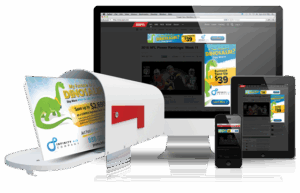
The first card to reach new homeowners gets read before the pile builds up. After that, it takes a couple of reminders to stay in the fridge.
Mail Within Two Weeks
Shops that move fast print postcard shells in bulk, address panel blank, and drop names on as each Monday file lands. A lot of lost time hides in handoffs, since a list broker, a printer, and a mail house can each sit on a job for a day. A new mover mailing service that runs all three under one roof keeps direct mail campaigns moving.
Postage class is the other lever. USPS service standards give First-Class Mail 1 to 5 days for delivery and USPS Marketing Mail 3 to 10. On a few hundred cards a week, the higher First-Class rate can buy several days. Pair it with a weekly file and the card can land inside two weeks of the record date.
Plan Three Touches
One card is easy to lose in a month of welcome mail, so plan three.
- In the first week or two after recording, send the welcome card with a single offer and an expiration date.
- Near day 30, resend the offer with new colors and the deadline up top.
- On days 60 to 90, go seasonal. A first-winter furnace check is an easy angle in November.
Take anyone who responds off the later mailings. Built once, new mover campaigns like this keep cycling weekly, and every buyer ends up with all three cards.
Offers That Fit The Move Get New Homeowners Calling
Arriving early gets the card read. Whether the phone rings depends on the offer, and this is where plenty of local business marketing falls flat.
Match The Offer To The Move
“Welcome to the neighborhood, 10% off” could come from anyone. An offer tied to something the buyer has to deal with this month lands differently. Nobody knows how many keys the last owners handed out, so a flat-rate rekey of every outside door is an easy offer for a locksmith. Pest control can lead with a free look under the sinks.
Put the offer in the biggest type and let the logo sit near the bottom. Our new mover welcome mailer guide covers the rest of that layout.
Address New Homeowners By Name
The deed hands you a name, and property records often add the year the house went up. With variable data printing, a 1987 split-level can get a note about other late-’80s homes on its street. Any line about furnace jobs nearby should come from your own records. Targeted direct mail only works when the details hold up.
Tracking Shows Which Mailers Pay Off

Put something traceable on each card, like its own phone number, a QR code, or a promo code. Plenty of people will dial your main line anyway, so a monthly check of new customer addresses against the mail file is worth the half hour. If calls come in but sales don’t, the list may not be the problem, and the metrics to track when a mailer generates no sales can show where the leak is.
Response rate is the wrong number to stare at. Look at cost per new customer and what that customer is worth over the first year. A cheap tune-up that turns into a maintenance plan pays for a lot of postcards. This direct mail marketing math also shows which ZIP codes deserve more money in your next direct mail campaigns.
Frequently Asked Questions
How Soon After Closing Should A Business Send Mail?
Two weeks from the date the county records the deed is a good target. Counties record at different speeds, so a new mover mailing service that pulls fresh data weekly beats watching closing dates.
How Much Does a New Homeowner Direct Mail Cost?
There’s no single price, since list fees, card size, postage class, and follow-ups all move it. Three hundred cards a week usually cost more per piece than one run of 5,000. Ask your provider of direct mail marketing services to list data, print, and postage separately.
What Is The Difference Between A New Homeowner List And A New Mover List?
A new homeowner list comes from recorded deeds and only includes buyers. A new mover mailing list is compiled from change-of-address sources and includes renters too.
Which Businesses Get The Best Results From New Mover Direct Mail?
Usually it’s the ones a family can’t bring along after a 30-mile move, like the plumber, HVAC tech, dentist, vet, and insurance agent.
Can New Mover Campaigns Work Alongside Digital Ads?
Yes. Direct mail advertising puts the offer in one named buyer’s hands. Search and social ads cast a looser net, so running both in the same ZIP codes means the household sees your name twice.
Final Thoughts
None of this needs a huge budget. The edge comes from reaching the mailbox before the next company and noticing which cards actually pull calls.
Pick the neighborhoods you already serve. MailPros USA can pull a new homeowner mailing list for them, print and mail every batch, and report back on calls, QR scans, and promo codes. Runs start at 100 pieces, with no long-term contract.
Because one provider of direct mail marketing services handles data, printing, and postage, your first card isn’t stuck waiting on three vendors. Get a free household count this week and lock in a mail day.