Hyperlocal Direct Mail Strategies That Fill Retail Stores Faster

Retail businesses are shifting back to offline strategies that create real customer connections. One of the most effective approaches is hyperlocal direct mail, where brands focus on customers within a small geographic area. This method works especially well for stores that rely on walk-in traffic and repeat customers.
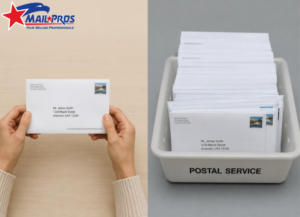
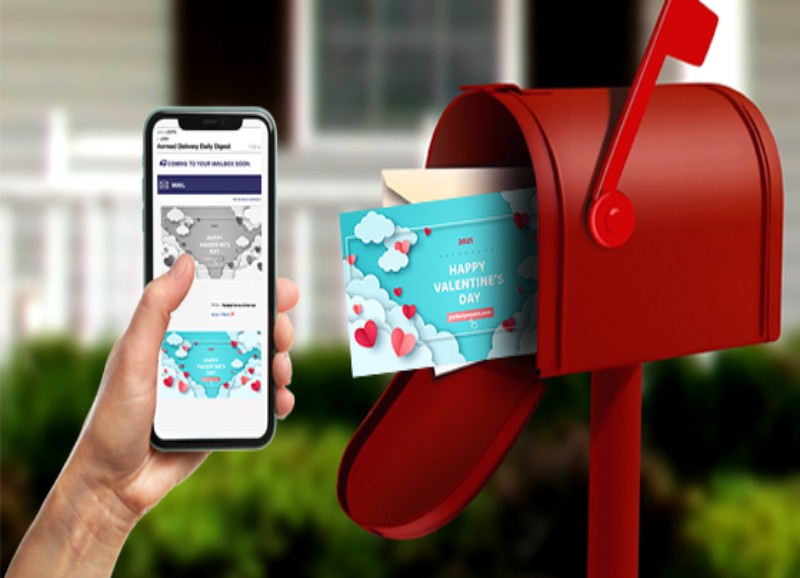
Many businesses now use direct mail marketing services to reach nearby audiences in a more personal and physical way. Unlike digital ads that disappear quickly, printed mail stays in homes and keeps the message visible for longer periods.
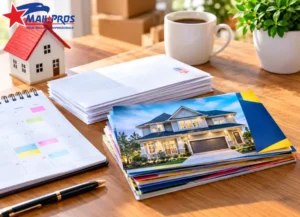
With tools like postcard marketing services, retailers can share promotions, discounts, and store updates in a simple and engaging format. This helps increase awareness and encourages customers to visit stores located nearby.
What is Hyperlocal Direct Mail Marketing
Hyperlocal direct mail marketing is a strategy that focuses on sending printed promotional materials to people living in a very specific area such as a neighborhood, street, or postal code. Instead of targeting large regions, businesses focus only on nearby customers who are more likely to visit their store. This makes campaigns more efficient and cost effective.
Businesses often rely on direct mail for retail stores to run these highly targeted campaigns. It helps them stay connected with local customers and increase store visits. Small businesses also benefit from direct mail for small business strategies because it allows them to compete with larger brands by focusing only on their immediate community.
Key Benefits of Hyperlocal Direct Mail for Retail Businesses
Strong Local Targeting: Hyperlocal campaigns focus only on nearby customers, which reduces wasted advertising spend. Businesses using retail direct mail marketing can reach audiences who are already close enough to visit their store.
Higher Engagement Rates: Printed mail creates stronger attention compared to digital ads. With postcard marketing services, businesses can quickly communicate offers in a visually appealing format that customers actually read.
Better Brand Recognition: Repeated exposure builds familiarity. When customers receive consistent messaging through direct mail marketing services, they start recognizing the brand and trusting it more.
Cost Effective Marketing: Small businesses using direct mail for small business can run affordable campaigns that deliver measurable results without large advertising budgets.
Hyperlocal Direct Mail vs Other Marketing Channels
| Factor | Hyperlocal Direct Mail | Digital Ads | Cold Email Marketing |
| Targeting | Very precise local neighborhoods | Broad audience targeting | Mostly generic lists |
| Customer Attention | High, physical engagement | Medium, ad fatigue is common | Low, often ignored or spam filtered |
| Trust Level | High due to physical format | Medium, depends on platform | Low trust due to spam perception |
| Conversion Rate | High for local store visits | Medium to variable | Low to medium |
| Cost Efficiency | High ROI for local targeting | Can become expensive | Low cost but low engagement |
| Best Use Case | Driving foot traffic to stores | Online conversions and awareness | Lead generation and outreach |
| Message Retention | Strong, kept physically | Short attention span | Very low retention |
How Hyperlocal Direct Mail Increases Sales
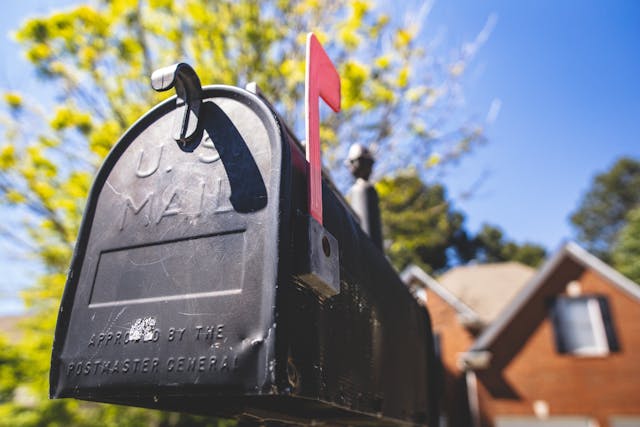
Store Visit Growth
The primary goal of hyperlocal direct mail is to increase foot traffic by encouraging nearby customers to visit physical stores. Businesses using direct mail for retail stores often experience higher walk in rates because customers receive timely offers that match their location and convenience. This direct connection between message and accessibility plays a major role in boosting in store conversions.
Urgency Driven Offers
Limited time promotions are highly effective in driving immediate action. When customers receive time sensitive deals, they feel a sense of urgency that encourages them to visit the store quickly. This psychological trigger is especially powerful when combined with localized targeting because customers know they are close enough to take advantage of the offer without delay.
Repeat Purchase Boost
Consistent communication helps build long term customer relationships. When customers receive regular updates and promotions, they are more likely to return to the store for future purchases. This repeat engagement is one of the strongest advantages of retail direct mail marketing, as it helps businesses build loyalty and increase lifetime customer value over time.
Conversion Support System
Hyperlocal campaigns work best when they are part of a complete marketing system that includes awareness, engagement, and conversion stages. By using direct mail marketing services, businesses can guide customers through this journey effectively, ensuring that initial awareness turns into actual store visits and purchases through well timed and relevant messaging.
Customer Decision Influence
Direct mail often reaches customers during the decision making stage before they choose where to shop. This gives businesses a strong advantage because they can influence customer choices by presenting attractive offers and clear value propositions. As a result, hyperlocal campaigns play a critical role in shaping purchasing behavior in favor of the business.
How to Execute a Successful Hyperlocal Campaign

Area Selection Strategy: Choosing the right neighborhoods is essential for success. Businesses must analyze where their ideal customers live and focus campaigns only on those high potential areas.
Customer Behavior Analysis: Understanding buying patterns helps improve targeting accuracy and ensures that offers match customer expectations within each location.
Offer Design Planning: Effective campaigns rely on strong offers designed through direct mail marketing services that clearly communicate value and encourage immediate response from customers.
Brand Consistency Alignment: Businesses often use order custom banners online to ensure that in store visuals match the messaging delivered through mail campaigns, creating a unified customer experience.
Campaign Performance Tracking: Tracking response rates and store visits helps businesses refine future campaigns and improve overall marketing efficiency.
FAQs
How does hyperlocal direct mail attract new customers?
It reaches people living near your business with targeted offers and promotions.
This makes it easier to convert local audiences into first-time store visitors.
What type of content works best in direct mail campaigns?
Simple offers, discounts, and clear calls to action work best in printed mail.
Customers respond faster when the message is easy to read and visually appealing.
Is hyperlocal direct mail better than digital ads?
It is often more effective for local businesses because it creates physical engagement.
Unlike digital ads, it stays visible in homes and influences purchase decisions longer.
How can businesses measure direct mail success?
They can track store visits, coupon redemptions, and response rates from campaigns.
This helps understand which areas and offers perform best.
What makes a direct mail campaign successful?
A strong offer, clear messaging, and accurate local targeting are key factors.
Consistent branding and timing also improve customer response significantly.
To Sum Up
Hyperlocal direct mail continues to be one of the most reliable ways for retail businesses to increase local visibility and drive consistent store traffic. When campaigns are focused on the right neighborhoods with clear messaging, businesses see stronger engagement and higher conversion rates from nearby customers who are ready to visit.
This approach helps brands move beyond digital noise and connect directly with real people in real locations, creating a steady flow of in store opportunities and long term customer relationships.
Therefore MailProsUSA builds hyperlocal direct mail systems that help businesses turn nearby audiences into consistent customers through targeted, measurable, and performance focused campaigns.