Direct Mail Brochures Designs That Turn Prospects into Customers

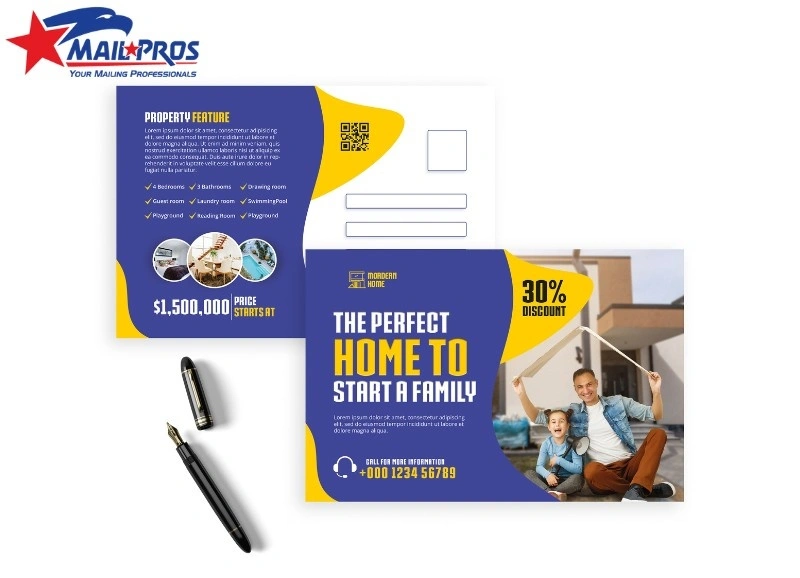
An effective brochure must make the reader want to keep it. People don’t pick it up out of their mailbox looking for long company speeches; instead, they want information on what services or products are being provided and whether this business seems reliable enough for contact.
Many brochures fall flat. They look busy, sound generic, or hide the offer behind too much company data. A strong brochure printing service provides its reader with something worth taking the time to consider.
Local businesses can still reach a home, an office, or an area to get a concentrated offer through brochures. These must appear useful, instead of one of numerous advertisement pieces competing for room
How To Plan A Direct Mail Brochure Campaign Before Design?
Start With The Customer Sitting At The Table
Before colors, folds, or paper stock, picture the person receiving the brochure. Are they a homeowner, office manager, parent, restaurant owner, patient, or past customer? Direct mailing solutions work better when the message feels written for a real person with a real need.
A simple planning note can help:
- Who is most likely to respond?
• What problem are they already aware of?
• What area should receive the mailing?
• What offer would feel useful right now?
Choose One Job For The Brochure
A brochure should not try to sell every service at once. It may be built to bring calls, quote requests, store visits, appointments, or online orders. Direct mail marketing becomes easier to judge when the campaign has one clear purpose before copy and design begin. When one goal leads the campaign, the headline, images, offer, and contact details all feel connected. That makes the piece easier to read and easier to act on.
Create An Offer That Feels Worth Keeping
The offer should be simple enough to understand in a few seconds. It can be a free estimate, first visit discount, seasonal package, local service special, or limited appointment offer. The reader should not need to study fine print to know what they are getting. A good offer answers one quiet question in the reader’s mind: why should I respond now?
How To Write A Brochure Copy That Builds Interest And Trust?
Open With The Reader’s Need
The first panel should not start with a company history. It should speak to a problem, desire, or result the reader already understands. Marketing brochures are stronger when the opening line feels helpful instead of promotional.
For example, a dental office can lead with comfort and appointment ease. A roofing company can lead with storm damage checks. A local printer can lead with fast turnaround for business materials.
Write Like A Person Explaining The Service
The best copywriting is peaceful and direct. Say what it is, who the help is for, and how your offer stands apart. Design for brochure copy needs room to breathe, or even a good offer starts looking a little bit suspect. Close to what an employee would tell a potential customer if you spoke to them over the counter is always more convincing than slick, professional copy.
Put Trust Close To The Decision
Trust should appear before the reader reaches the phone number or code. Reviews, years in business, guarantees, local experience, licenses, and real project details can all help. Print marketing works best when proof supports the offer at the moment the reader is deciding.
Useful trust details can include:
- Serving the area since a specific year
• Licensed or insured service
• Local customer reviews
• Before and after results
• Clear guarantee or service promise
How To Design Direct Mail Brochures For Better Readability?
Give Every Panel A Clear Purpose
A brochure is not one large page. It is a sequence of small moments. One panel can introduce the offer, one can explain benefits, one can show proof, and one can carry the response details. Advertising brochures lose power when every panel looks equally important.
A cleaner panel plan usually works like this:
- Front panel: main promise
• Inside panel: benefits and proof
• Back panel: offer and response details
Use Photos That Feel Connected To The Business
Generic images are quite slick, but they don’t always make a brochure credible. Business brochures are much more powerful when they show the service, result, staff, product, surroundings, and client. The image should help the reader understand the value faster. If the photo does not support the message, it is only taking space away from the offer.
Use The Thirty Second Mailbox Test
Before sending the piece to print, look at it the way a reader would. Hold it in your hand and scan it for thirty seconds. If the main offer, benefit, and contact method are not clear, the layout needs work. Good brochure printing should protect the small details too. Paper feel, color quality, fold accuracy, and readable type all affect how professional the piece feels in real life.
How To Create A Clear Response Path For More Leads?

Make The Next Step Easy To Notice
The reader should never wonder what to do next. Ask them to call, scan, book, visit, or bring the brochure in. Sales brochures usually work better when the action appears near the offer and again where the reader naturally finishes. A good call to action is not clever. It is clear.
Keep Contact Details Simple
Too many phone numbers, links, and codes can slow people down. However, business direct mail should usually include one main phone number, one short web address, and one clean code when tracking is needed.
For better response, keep this area clean:
- Phone number
- Website or landing page
- QR code
- Offer name or coupon code
- Expiration date when needed
Remove The Small Doubts
People often pause because of practical questions. What area do you serve? How fast can I book? Is the estimate free? What happens after I call? Direct mailing services can help match the printed piece with the landing page, call process, and follow up message. That connection matters. A brochure should not promise one thing while the website or phone script says something different.
How To Prepare Brochures For Printing And Mailing?
Clean The List Before Spending On Print: Even a beautiful brochure can fail if it goes to the wrong audience. Clean the list, remove bad addresses, and group readers by area, customer type, or likely need. Direct mailing solutions should make the campaign sharper, not just larger. For local campaigns, the list should match the offer. A family dental offer, roofing inspection, restaurant coupon, or home service promotion may each need a different mailing area.
Check the Fold, Address Area, and Final Size: Print and mailing details should be checked before final design approval. Fold style, address space, panel order, paper weight, and tab placement can affect cost and delivery. Direct mail marketing works better when creative planning and mailing preparation happen together. This is one of the most common places where rushed campaigns lose quality.
Proof the Piece Like A Customer: Review the phone number, website, offer date, service area, coupon code, QR code, logo, and fold order. Errors in brochure printing are very costly since you would reproduce the same error in every piece of mail. The proof should be checked on screen and as a printed sample whenever possible. What looks fine on a monitor can feel crowded once folded.
How To Track Direct Mail Brochure Results After Delivery?
Use Tracking That Matches The Campaign
A dedicated phone number, landing page, QR code, coupon code, or offer name can show what the mailing produced. Business direct mail becomes easier to improve when results are tied to the list, area, offer, and design.
Tracking does not have to be complicated. It just has to be planned before the brochure is mailed.
Test One Important Change At A Time
Do not change the list, headline, offer, format, and images all at once. Choose one thing to test. That may be a stronger headline, a better offer, a different service area, or a new image style.
This keeps future decisions based on real response, not guesswork.
Watch What Happens After The Scan Or Call
The brochure is only the first step. The landing page, phone greeting, email reply, and sales process should continue the same message. Direct mailing services add more value when the full customer journey feels smooth after the mailbox moment.
A strong campaign does not end at delivery. It follows the response all the way to the sale.
Common Direct Mail Brochure Mistakes That Reduce Response
Filling Every Inch With Text
It helps your audience breathe. A brochure jammed with services, slogans, small pictures, and fine print is exhausting. Direct mail brochures must have concentration rather than coverage.
One guideline will serve you well: if a line does not facilitate reader trust, understanding, or response, chances are you don’t need it.
Sounding Like Every Other Business
Generic wording makes a brochure forgettable. Marketing brochures should include specific details about the service, area, offer, and customer benefit. Clear details feel more believable than broad claims. Instead of saying quality service, explain what the customer actually receives and why it helps them.
Hiding The Call To Action
Some advertising brochures look attractive but fail because the response details are hard to find. Strong brochure design keeps the next step visible without making the layout loud. Good business brochures make action feel natural, not forced. The reader should not have to search for the phone number, code, or offer deadline.
Frequently Asked Questions
Are Direct Mail Brochures Still Effective For Local Businesses?
They do work when the targeting, offer, and timing have been done right. Local services businesses use them to target specific zip codes with an offer that feels natural to people there -estimates, store appointments, seasonal work, etc.
What Is The Best Size For A Direct Mail Brochure?
The ideal dimensions are determined by the volume of content, budget, postal regulations, and how the piece is to be folded. Popular options are tri-fold and bi-fold as they are traditional, accessible, and functional for many campaigns.
Should A Brochure Include A QR Code?
It’s helpful if a QR code takes the reader to a targeted landing page, quote, gallery, booking form, or coupon. Don’t add code to look fancy. Ensure the code is large enough to read, and it’s close to the offer.
How Much Does It Cost To Mail Brochures?
Cost depends on quantity, size, paper stock, printing, list quality, postage class, and mailing preparation. A small local campaign may have a very different cost than a large regional mailing. The safest approach is to price printing and mailing together before design is finalized.
What Should Be On The Front Panel Of A Brochure?
The front panel should include the main benefit, business name, strong visual, and a reason to keep reading. It should not be crowded with every service. At first glance, the reader should understand why the brochure matters.
How Can A Business Know If The Brochure Worked?
Use a dedicated phone number, landing page, QR code, coupon code, or offer name. These tools help connect responses to the campaign. Without tracking, it becomes hard to know whether the list, offer, design, or timing needs improvement.
Bottom Lines
An effective brochure takes real smarts to build. The list needs to support the offer, the message must provide value, and the look needs to be welcoming. If the document looks and feels solid and it’s easy to know what to do, the response rate will probably follow.
MailProsUSA works with you on every step to plan, print, and mail your brochure campaigns, with the focus on the little things that make the big difference between getting thrown out and getting kept. With a plan and a focused design, brochures can still feel personable and useful.