
How to Start a Direct Mail Marketing Business With Low Investment

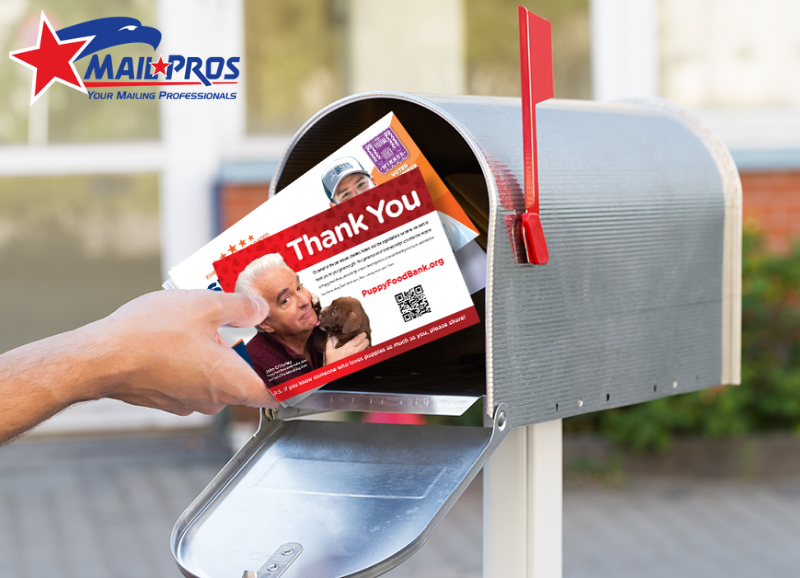
We often hear the misconception that print is a dying industry, buried under the weight of social media ads and email blasts. However, our daily operations prove the exact opposite; businesses crave the tangibility and high open rates that physical mail provides. The digital space feels overcrowded, leading smart entrepreneurs to look for quieter, more effective channels to reach their audience. For those looking to enter this industry, the barrier to entry is surprisingly lower than most expect.
You do not need a warehouse full of heavy machinery or millions of dollars in capital to stake your claim in this sector. We have seen many successful agencies start with nothing more than a laptop, a phone, and a strong understanding of strategy. By focusing on data, design, and vendor relationships, you can build a lean operation that scales with your client base. Strategic Direct Mail Marketing focuses on ROI and targeting, which requires brainpower rather than expensive hardware.
Understanding the Service First Brokerage Model
The biggest financial mistake new entrepreneurs make involves buying equipment before securing customers. We strongly advise against purchasing large digital presses or inserters when you first begin. These machines require maintenance, specialized operators, and climate-controlled space, which drains your cash flow immediately. Instead, we recommend adopting a print brokerage or agency model.
In this model, you act as the architect of the campaign while partnering with wholesale trade printers to handle the manufacturing. Your value lies in managing the list data, designing the creative assets, and ensuring the project hits the post office on time. This approach keeps your overhead incredibly low and allows you to offer a wide variety of products. You can sell postcards, catalogs, and brochures without owning a single printer.
Mastering the Data: The Real Gold Mine
We cannot stress enough that a direct mail campaign succeeds or fails based on the quality of the mailing list. Many beginners obsess over paper stock but ignore the data, which leads to wasted postage and unhappy clients. To start a business with low investment, you must become an expert in audience targeting and list hygiene.
You need to understand how to filter demographics, such as household income, home ownership, and buying behavior. We use reputable data brokers to rent lists for our clients, and you should do the same. By charging a management fee for sourcing the right data, you generate revenue while protecting your client’s budget. When you position yourself as a data expert rather than just a printer, you instantly command higher fees.
Essential Software and Tools for Lean Operations
Keeping costs down means utilizing the right software stack rather than hiring a large team immediately. You need professional design software, such as Adobe Creative Cloud, to ensure your files meet print production standards. While some use amateur tools, we find that industry-standard software prevents costly file errors that can ruin a print run.
Beyond design, you need a reliable method for managing projects and client relationships (CRM). We track every deadline meticulously because missing a postage drop date can ruin a time-sensitive sale for a client. Simple tools like Excel or affordable project management platforms work perfectly in the early stages. The goal is to organize your workflow so you never miss a proof approval or a mailing deadline.
Creating Strategic Campaigns for Clients
Clients rarely come to us just asking for ink on paper, they want more leads, sales, or foot traffic. Your business must offer guidance on how to structure a compelling offer that drives response. We always encourage new agency owners to learn the psychology behind a call-to-action and the importance of tracking results.
If you cannot explain why a postcard needs a QR code or a dedicated phone number, selling your services becomes difficult. You must guide your clients through the process of crafting a message that resonates with their target audience. Understanding campaign creation basics allows you to sell expertise and consulting, which carries a much higher profit margin than print resale alone.
Building a Reliable Vendor Network
Your reputation depends entirely on the reliability of the trade printers and mail houses you choose to partner with. We spent years vetting our partners to ensure they deliver quality color and adhere to strict USPS timelines. When starting out, you must find trade-only printers who respect your role as the reseller and protect your client relationship.
Request sample kits from potential vendors to check their paper quality and print resolution before selling to a client. We also recommend establishing backup vendors for every product type you offer. Machines break and supply chains disrupt, but your client still expects their mail to go out on Friday. A robust vendor network acts as your insurance policy against production disasters.
Focusing on Niche Markets for Faster Growth
Trying to be everything to everyone often leads to burnout and thin margins. We have observed that the most successful low-investment startups focus on specific niches, such as real estate, dental practices, or automotive repair. By specializing, you learn the specific pain points and seasonal cycles of that industry.
For example, realtors constantly need Just Listed postcards, while dentists need new patient acquisition mailers. When you develop templates and data strategies specific to one industry, your sales process becomes faster and more repeatable. You become the go-to expert for that sector, which generates referrals and reduces the cost of acquiring new customers.
Navigating USPS Regulations and Postage Rates
The United States Postal Service has complex rules regarding size, aspect ratio, and indicia placement. We see beginners lose money frequently because they designed a card that was slightly too large, bumping it into a higher postage category. You must educate yourself on the differences between Marketing Mail, First Class, and EDDM (Every Door Direct Mail).
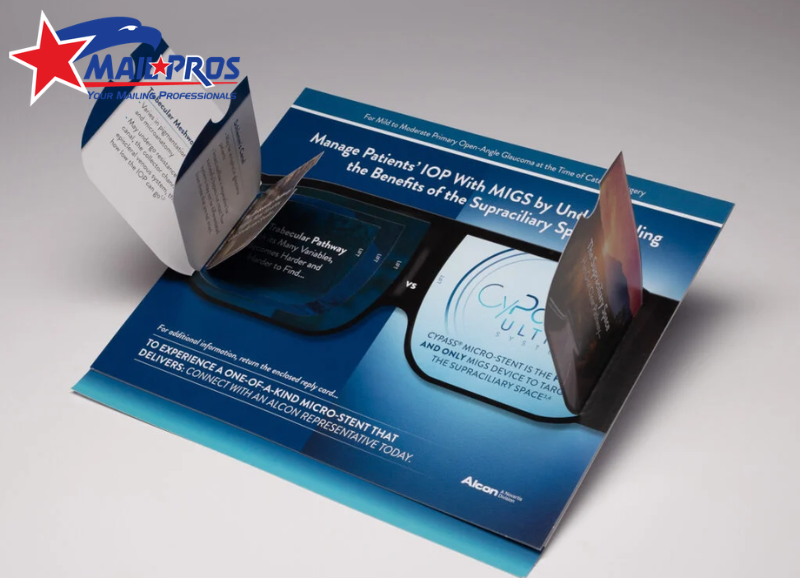
EDDM is particularly useful for low-investment startups because it requires no mailing list; you simply target carrier routes. This lowers the entry cost for your local clients and simplifies the process for you. However, you must ensure your mail pieces meet the strict physical specifications required by the post office. We consider postage knowledge a core competency that separates professionals from amateurs.
Cash Flow Management and Pricing
In the print and mail industry, you often pay vendors before your client pays you, which can create a cash crunch. We recommend requiring an upfront deposit from your clients to cover the hard costs of printing and postage. Postage, in particular, should always be collected 100% upfront because it is a direct pass-through cost.
Price your services to account for your time, design work, and project management, not just a markup on the print. We see too many new businesses compete on price alone, which is a race to the bottom. Your clients pay for the convenience and the strategy you provide. Establish healthy margins from day one to ensure your business remains sustainable and capable of growth.
Conclusion
Starting a direct mail business does not require a fortune, but it does require diligence, strategic partnerships, and a commitment to learning the trade. We know that by focusing on data quality, smart design, and reliable vendor relationships, you can build a profitable agency that delivers tangible results for local businesses. The demand for physical marketing remains strong because it works, and businesses need guidance to navigate the complexities of the mailbox.
As you grow, remember that your value lies in the results you generate for clients, not the equipment you own. Stay lean, focus on specific niches, and always prioritize the integrity of your mailing lists. If you need a partner to handle the complexities of production and fulfillment as you scale, MailProsUSA stands ready to support your growth with professional expertise.