AI Powered Hyper Personalized Direct Mail Postcards for Better Results

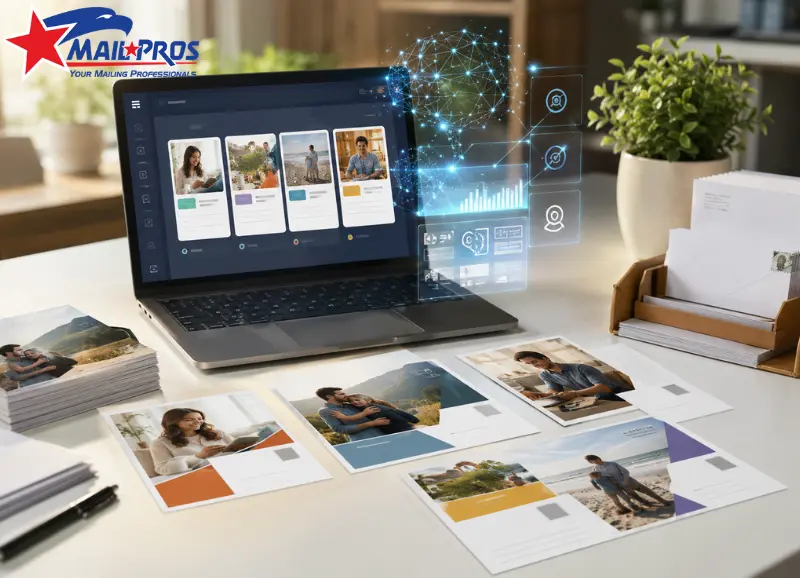
A postcard still has a simple power that many digital ads struggle to match. It lands in a real mailbox, sits on a kitchen counter, and gives a customer a few quiet seconds with your brand. The challenge is not whether mail works. The real challenge is making every card feel useful instead of random.
That is where AI direct mail can help. It gives businesses a better way to study customer behavior, choose the right audience, shape the offer, and prepare messages that feel more personal. Good marketing does not start with a template. It starts with knowing who should receive the card, what they care about, and why now is the right time to reach them.
For USA businesses, this matters even more because mail costs, local competition, and customer attention are all moving targets. A smart campaign can turn direct mail postcards into a focused sales tool, not just another printed piece. The goal is not to make mail feel technical. The goal is to make it feel relevant, timely, and worth reading.
Smarter Data Behind Better Direct Mail Campaign

Clean Customer Records
Strong results begin with clean names, addresses, purchase history, and contact preferences. Bad data wastes postage and weakens trust. Before planning personalized postcards marketing, remove duplicates, fix old records, and confirm that the list matches the real people you want to reach.
Useful Buying Patterns
AI can spot patterns that are easy to miss by hand. It may show who buys seasonally, who responds after a discount, or who has not returned in months. These patterns help shape direct mail marketing around behavior instead of guesswork.
Local Market Signals
Location still matters in mail. A home service company, dental office, gym, or restaurant can use neighborhood signals to understand demand. Income range, home type, distance, and local habits can guide better customer targeting without making the message feel intrusive.
Predictive Audience Groups
Not every customer deserves the same offer. Some are ready to buy, some need education, and some only need a reminder. AI models can group people by likely action so postal marketing becomes more focused and less wasteful.
Privacy First Data Use
Personalization should never feel creepy. Use data that customers have shared, public business data, and compliant mailing records. Keep sensitive details out of the message. Trust grows when the offer feels helpful, not invasive.
Personalized Creative That Feels Human

Message Match
The best postcard speaks to the receiver’s situation. A homeowner may care about timing, while a business owner may care about speed and reliability. AI direct mail can help compare message angles before print, but the final copy should still sound natural.
Offer Selection
A good offer should match the customer’s stage. A first time buyer may need a welcome deal, while a past buyer may respond to a loyalty reward. This is where personalized postcards can feel thoughtful rather than generic.
Visual Relevance
Images affect response before the first line is read. A family dentist, roofing company, or local store should not use the same style. AI can help test visual ideas, but real brand photos and clean design often make direct mail postcards more believable.
Clear Calls To Action
A postcard should have one clear next step. Call, scan, visit, book, or redeem. Too many options can weaken response. A premium direct mail postcard service can help connect the printed card with landing pages, tracking numbers, and QR codes.
Human Review
AI can draft options quickly, but a person should check tone, accuracy, local details, and brand fit. Human review protects the campaign from awkward phrasing and keeps direct mail marketing aligned with real customer expectations.
Targeting Offers With Better Timing

Life Event Triggers
Moving, home buying, school seasons, holidays, and service anniversaries can all create timely reasons to send mail. When used respectfully, these moments improve customer targeting because the card arrives when the need is more likely to exist.
Purchase Cycle Timing
Some products and services follow a repeat cycle. HVAC tuneups, dental cleanings, oil changes, subscriptions, and seasonal retail offers all benefit from timing. Smart postal marketing uses these cycles to reach people before they start looking elsewhere.
Cart And Lead Recovery
People often show interest and then go quiet. A mailed reminder can feel more serious than another email. Businesses can reconnect with prospects who visited a page, requested pricing, or abandoned a form.
Segment Based Offers
One offer rarely fits every audience. New customers, loyal buyers, inactive customers, and high value prospects need different messages. Segment based planning makes the card feel useful while keeping production simple.
Frequency Control
More mail is not always better. Sending too often can lower trust and waste the budget. AI can help estimate when another touch is useful, but campaign managers should still watch complaints, response, and customer fatigue.
Printing, Mailing, And Tracking Results

Variable Data Printing
Modern print production can change names, images, offers, and codes from card to card. This makes direct mailing services valuable for campaigns that need scale without losing relevance. The design must still stay clean and easy to read.
Address Quality Checks
A strong list should pass address checks before printing. This reduces returns, protects postage, and improves delivery quality. Therefore a reliable direct mail postcard service should help prepare files, review sizes, and check mail standards before production.
Response Tracking
Use unique phone numbers, QR codes, coupon codes, and landing pages to measure response. Tracking does not need to be complicated. It only needs to show which audience, message, and offer created the best action.
Test Groups
Testing helps avoid expensive assumptions. Try two offers, two headlines, or two audience groups on a smaller run first. Once results are clear, the winning version can be scaled with more confidence.
Campaign Learning
Every campaign should teach the next one. Save response data, conversion notes, and customer feedback. Over time, this creates a stronger system for deciding when to order direct mail postcard campaigns and how much to invest.
FAQs
How does AI improve postcard campaigns?
AI helps organize customer data, find useful audience groups, and compare message ideas before printing. It does not replace strategy. It supports better decisions so the postcard feels more relevant to the person receiving it.
Is personalization safe for small businesses?
Yes, when it is handled carefully. Use basic customer history, location, service interests, and clear consent where needed. Avoid sensitive personal details and keep the message focused on useful offers, reminders, or local value.
What kind of businesses benefit most from this approach?
Local service companies, medical offices, real estate teams, retailers, gyms, restaurants, and home improvement brands can all benefit. The biggest gains usually come when the business has repeat customers or clear local audiences.
Should postcards be used with digital marketing?
Yes. Mail works well when it supports email, paid ads, search, and website activity. A postcard can push someone back to a landing page, remind them of an offer, or make a brand feel more established.
How should results be measured?
Track calls, QR scans, coupon codes, form fills, appointments, and sales. Compare results by audience group and offer. The best campaign is not always the prettiest one. It is the one that creates profitable action.
Conclusion
AI can make postcard campaigns smarter, but the real win comes from using it with care. Better data, better timing, cleaner creative, and stronger tracking can turn ordinary mail into a personal customer experience. A good campaign should feel simple to the receiver, even when the planning behind it is advanced.
For businesses that want to order direct mail postcard campaigns with more confidence, the next step is to review the audience, offer, design, print plan, and tracking method together. Working with direct mailing services can also make the process easier when data, printing, mailing, and tracking need to stay connected.
When those pieces are aligned, mail becomes easier to measure and easier to improve. To plan the right approach for your next campaign, get a quote and start with a clear strategy instead of guessing.