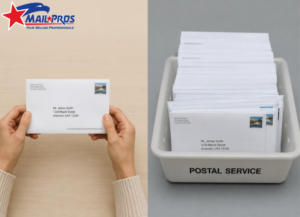
How to Use Direct Mail Marketing for Real Business Growth

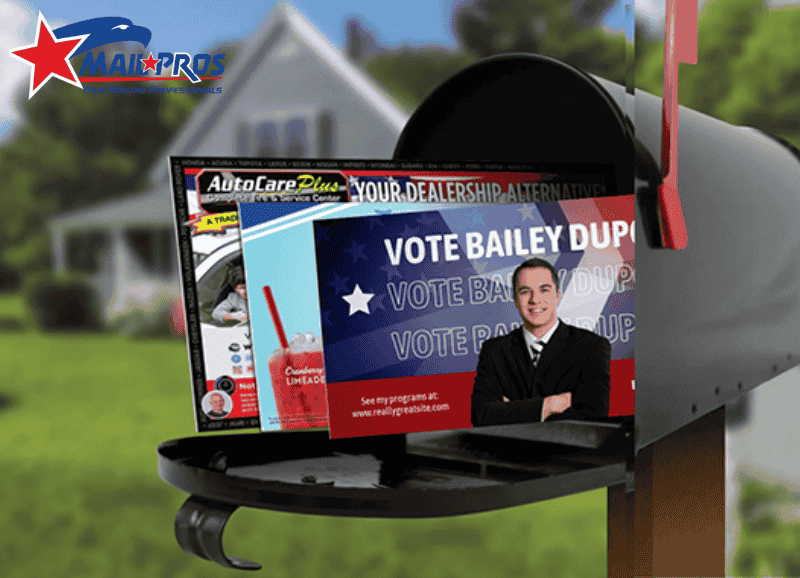
In an era where our pockets buzz every thirty seconds with a new email notification, there is something surprisingly powerful about silence. When I talk to business owners who are frustrated with the digital noise, I always ask them about their own habits. We all ruthlessly delete promotional emails without opening them, yet we almost always physically touch, sort, and glance at every piece of mail we pull from our mailboxes. That split second of physical interaction is the golden opportunity that Direct Mail Marketing offers, and it is an opportunity that digital channels simply cannot replicate.
However, simply sending out a batch of postcards isn’t a magic button for sales. Over my years in the printing and marketing industry, I’ve seen clients achieve incredible ROI, and I’ve seen others waste thousands of dollars because they treated direct mail like a lottery ticket rather than a strategy. The difference between the two outcomes usually boils down to planning, data, and understanding human behavior. If you are looking to cut through the digital clutter and put your brand literally in the hands of your customers, you have to approach this method with the same precision you would apply to a complex PPC campaign.
Why Physical Mail Still Captures Attention
There is a tactile psychology at play with print marketing that screens can’t compete with. When a potential customer holds a high-quality mailer, it triggers a different part of the brain than a fleeting banner ad does. It feels permanent and trustworthy. I have walked into clients’ homes and seen coupons we printed three months ago still sticking to their refrigerator doors. You cannot stick a Facebook ad to a fridge. This longevity is why direct mail often boasts higher conversion rates than digital alternatives, provided the messaging is relevant to the recipient.
The mistake many businesses make is assuming that direct mail is old school or outdated. The reality is actually the opposite; because fewer companies are mailing today than in the 1990s, there is less competition in the mailbox. Your message isn’t fighting for attention against 50 other flyers; it might be the only colorful piece of mail that person receives that day. To truly leverage this, however, you must ensure that the physical quality of the piece the paper stock, the finish, and the color vibrancy reflects the quality of your brand. A flimsy mailer signals a flimsy business.
Targeting: The Secret to Avoiding Waste
The single biggest reason direct mail campaigns fail is not bad design; it is bad data. You could have the most beautiful offer in the world, but if you send a lawn care flyer to an apartment complex, you are setting money on fire. Before you print a single piece, you need to define exactly who needs to see it. Are you targeting a specific neighborhood because you are a local restaurant, or do you need to reach homeowners with a certain income level for high-end renovations?
This is where understanding the different types of mailing lists becomes crucial. For local businesses wanting to blanket an area, targeted direct mail marketing strategies like Every Door Direct Mail (EDDM) can be cost-effective because they saturate specific carrier routes. However, if your product is niche, you are better off purchasing a curated demographic list. I always advise my clients to spend more time on the list than the artwork. When you target the right people, your response rates naturally climb because your solution matches their current lifestyle needs.
Designing Pieces That Get Read, Not Tossed
Once you have your audience defined, you have about three seconds to convince them not to throw your mail in the recycling bin. The biggest design error I see is the kitchen sink approach, where a business owner tries to cram every service, hour of operation, and testimonial onto a 6×9 card. This overwhelms the reader. Good direct mail design requires breathing room. You need a bold headline that addresses a pain point, a compelling image, and a very clear offer.
Customization also plays a massive role in stopping the eye. Generic mail feels like junk mail. Using variable data printing to add the recipient’s name or tailor the imagery to their specific demographic makes the piece feel personal. When you utilize customized direct mail, you are telling the customer that you see them as an individual, not just a prospective sale. A simple touch like Hey John, here is a deal for your home performs significantly better than Dear Homeowner.
Integrating Mail with Digital Strategy
Direct mail should never exist in a silo, it works best when it shakes hands with your digital marketing. We are long past the days of asking people to manually type a long URL into their browser. Today, successful campaigns use QR codes that lead directly to a landing page, or personalized URLs (PURLs) that track exactly who visited your site. This bridge between the physical and digital worlds allows you to retarget those visitors online. If they scanned the code but didn’t buy, you can serve them ads on social media, reinforcing the message they held in their hands.
Furthermore, timing your mail to land simultaneously with an email blast creates a surround sound effect. When a customer sees your brand in their inbox and then finds a postcard in their mailbox a day later, your credibility skyrockets. It signals that you are an established business with a cohesive presence. I often help business owners map out a schedule where digital touchpoints warm up the audience before the higher-cost physical piece arrives, ensuring the recipient is already familiar with the brand name.
Measuring Success and ROI
One of the old complaints about traditional advertising was that it was hard to track. That is simply not true anymore. If you want to know how to use direct mail marketing profitably, you must track your results. Never send a mailer without a way to measure it. This could be a unique phone number (call tracking), a specific coupon code that is only found on the card, or a QR code as mentioned earlier. Without these tracking mechanisms, you are flying blind and won’t know which campaigns to scale and which to scrap.
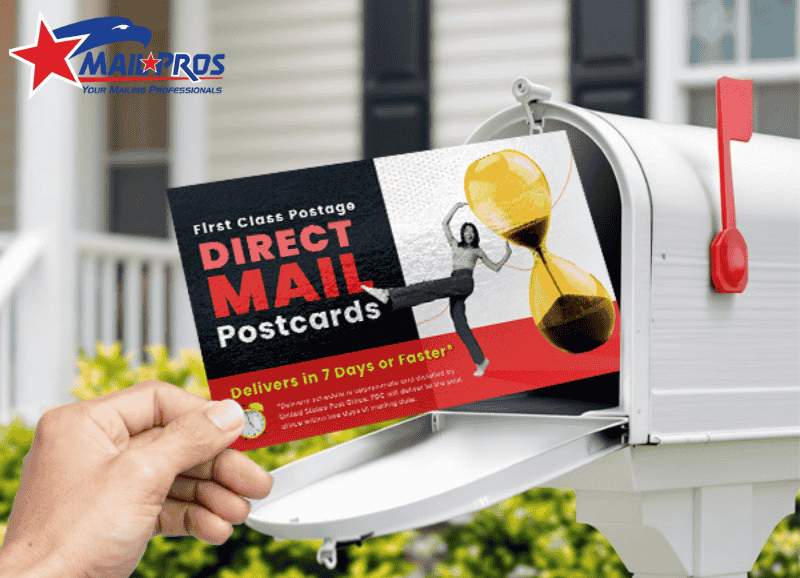
It is also vital to have realistic expectations regarding response rates. A successful campaign might see a conversion rate of 1% to 3%, depending on the industry and offer. While that sounds low compared to email open rates, the value of a direct mail lead is often much higher. These are people who took the physical effort to respond. When you create a campaign, focus on the Lifetime Value (LTV) of a new customer. If one postcard costs you $0.70 but brings in a client worth $5,000 over five years, that mathematical equation is a winner every time.
FAQs
Is direct mail marketing too expensive for small businesses?
Not necessarily. While the cost per piece is higher than an email, the return on investment is often superior due to higher engagement. You can control costs by refining your list (sending fewer pieces to better prospects) or using cost-effective formats like standard postcards. You don’t need a massive budget to start; you just need a smart strategy.
How many times should I mail the same list?
Consistency is key. One-off mailers rarely generate huge results because timing is everything. A prospect might not need your service today, but they might need it next month. I generally recommend a “drip” campaign where you mail the same list at least three times over a few months. This builds familiarity and trust, significantly increasing the likelihood of a response.
What is the best format for direct mail?
This depends on your goal. Postcards are excellent for quick offers, announcements, and driving retail traffic because they don’t require opening. Letters in envelopes work better for professional services, non-profits, or high-ticket B2B sales where a more formal, confidential tone is required. Always match the format to the complexity of your message.
Conclusion
Direct mail marketing remains a potent tool because it leverages something digital marketing often lacks: a physical reality. It builds trust, commands attention, and, when executed correctly, drives substantial revenue. The key is to move away from the spray and pray mentality and move toward data-driven, highly targeted campaigns. By respecting your audience’s mailbox with high-quality design and relevant offers, you aren’t just sending mail; you are building a relationship.
If you are ready to stop guessing and start seeing tangible results from your marketing efforts, it might be time to look at print with fresh eyes. Whether you need help refining your mailing list or designing a card that pops, MailProsUSA is here to guide you through the process, ensuring every piece of mail you send contributes to your bottom line.