
Target Local Service Area With Smart Saturation Mailing Campaigns

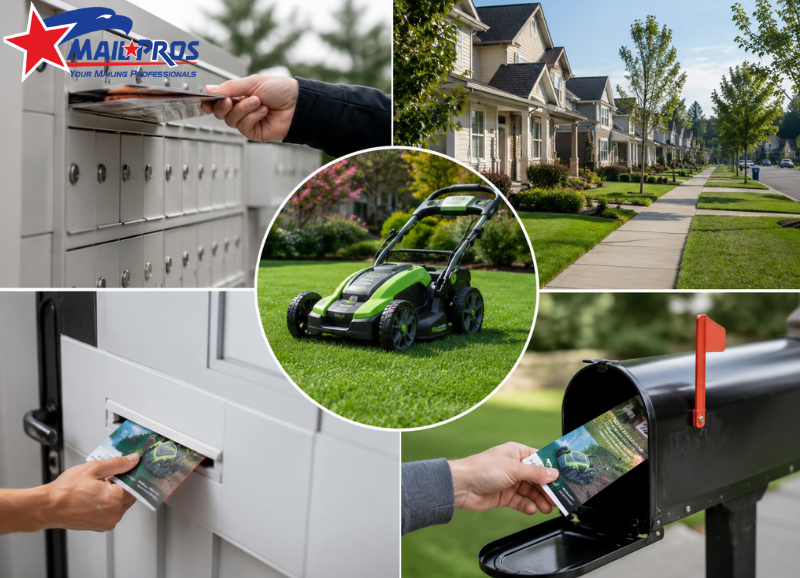
Local service businesses rely heavily on direct mail because it creates trust among residents in ways digital ads often do not. When relevant offers arrive directly in mailboxes, it builds familiarity and increases the chances of real engagement between service providers and nearby households.
Modern mailing strategies use structured data, geographic planning, and audience selection to ensure every piece of mail reaches households most likely to respond. This is where precision becomes more important than volume and separates average campaigns from high performing ones.
Local Saturation Strategy Methods
Neighborhood Reach Planning
Saturation mailing involves sending mail to every address within a defined service area and is often supported through saturation mailing lists that help businesses organize complete coverage. Local providers like cleaning and repair services use this to build strong visibility across entire neighborhoods.
Service Area Mapping
This method depends on accurate mapping of postal routes and residential clusters. Businesses study population density and service demand before selecting zones. Many campaigns align this planning with targeted mailing lists to ensure messages reach households that are more likely to need the service.
Consistency In Messaging
Repeated exposure to the same message builds recognition and trust among residents. When households consistently see a brand, they begin to associate it with reliability. This approach is especially effective for essential services where reputation plays a major role in decision making.
Timing Structure Planning
Timing plays a major role in campaign success. Businesses schedule mail distribution based on seasonal demand and service cycles. Well timed outreach ensures messages reach customers when they are actively looking for solutions, improving response rates naturally.
Area Based Scaling
As businesses expand, they replicate successful strategies in new neighborhoods. This structured expansion allows predictable growth while maintaining quality. It ensures that service delivery remains consistent even as coverage areas increase over time.
Building High Quality Mailing Data Systems
.jpg)
Segmented Audience
Strong campaigns begin by dividing audiences into meaningful groups based on behavior and location. Businesses often use mailing lists to quickly access structured data sets, while some prefer to buy bulk mailing lists to speed up campaign setup and reach predefined audience segments efficiently.
Verified Data Sources
Reliable data comes from postal records, demographic research, and verified providers. In relocation based marketing, new movers mailing lists help identify households that recently moved and are more likely to respond to local service offers.
Data Accuracy Checks
Before launching any campaign, businesses verify data accuracy to avoid wasted outreach. Outdated or incorrect addresses reduce performance and increase cost. Regular validation ensures that each mail piece reaches an active household.
Budget Planning Insights
Cost control is essential for sustainable marketing. Businesses evaluate printing, mailing, and list acquisition expenses before launching campaigns. Choosing the right data type ensures efficient spending while maintaining strong reach and engagement.
Performance Measurement Setup
Tracking systems help businesses understand campaign effectiveness. Responses are measured through calls, QR codes, and online visits. This helps refine future outreach strategies and identify high performing service areas.
Campaign Execution And Growth Optimization
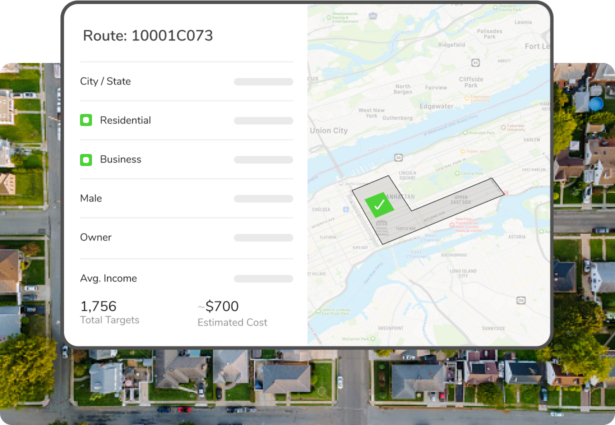
Launch Preparation Steps: Before launching, businesses finalize creative design, messaging, and distribution areas. Many campaigns rely on eddm mailing lists to ensure complete coverage and consistent visibility across selected neighborhoods.
Delivery Optimization Process: Efficient delivery depends on proper route planning. Businesses align distribution with postal routes to reduce delays and improve accuracy. This ensures mail reaches households on time and in an organized manner.
Engagement Tracking Methods: Tracking customer response is essential for measuring engagement. Unique phone numbers and landing pages help businesses understand which campaigns perform best and why customers respond.
Return Evaluation Metrics: Return on investment analysis helps guide future strategy. Campaigns that use new movers mailing lists often show stronger conversion rates because new residents actively seek local services after relocating.
Continuous Improvement Cycle: Marketing success depends on ongoing refinement. Businesses analyze results, adjust messaging, and improve targeting methods regularly. Some also choose to buy mailing lists again when expanding into new service areas to maintain steady growth.
Frequently Asked Questions
What is saturation mailing used for?
It is used to reach every household in a selected area to build strong local awareness for service based businesses.
Why is data quality important in mailing?
Accurate data ensures messages reach real households and reduces wasted spending on incorrect or outdated addresses.
How do businesses choose mailing lists?
Businesses choose based on service goals, audience type, and geographic focus to improve campaign relevance and response rates.
Why are new movers important?
New movers mailing lists are important because recently relocated residents often need immediate local services and respond faster to offers.
How is campaign success measured?
Success is measured through response tracking methods such as calls, website visits, and customer conversions.
Nutshell
Effective direct mail marketing depends on structured planning, accurate data, and consistent execution. Businesses that focus on segmentation and neighborhood targeting often achieve stronger engagement and more reliable customer acquisition over time.
Companies that want to scale efficiently often rely on platforms like MailProsUSA to manage campaigns with greater precision and consistency.