Why Direct Mail Marketing Is More Powerful Than Email Marketing

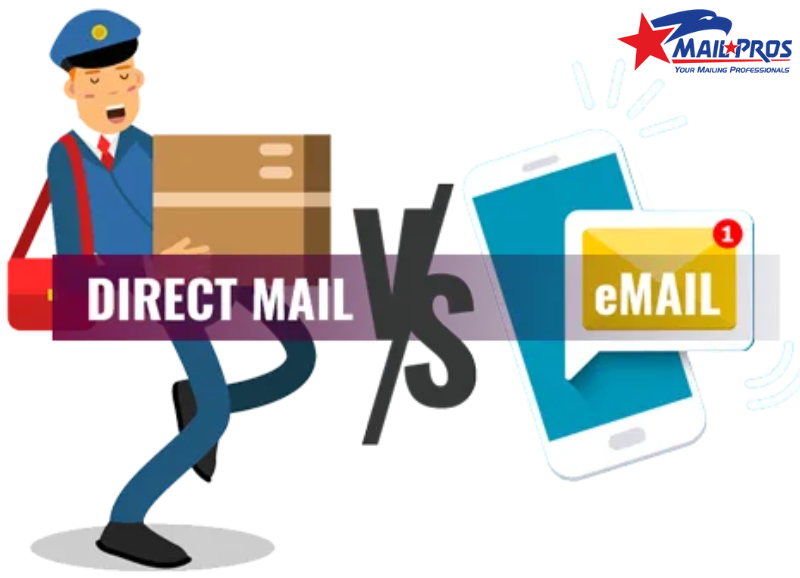
Email is fast and affordable. Yet readers can ignore it with one swipe. A promotion may arrive within seconds, then disappear under work messages, receipts, and alerts. Direct mail enters a less crowded space. The recipient must pick it up and decide what to do with it.
That difference can affect campaign performance. Direct mail marketing often has more value when a business needs attention, trust, or local reach. Email marketing is better for quick updates and frequent contact. Strong campaigns give each channel a clear job.
Direct Mail and Email Serve Different Goals
Print Earns Attention in a Physical Space
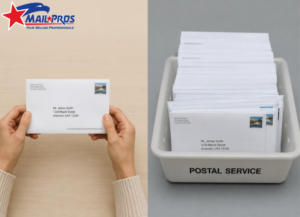
A postcard does not depend on a subject line or spam filter. It shows the headline, image, offer, and phone number at once. A letter provides more detail when a service requires trust.
Print suits local customer acquisition, high-value services, win-back campaigns, and planned promotions. Businesses exploring direct mail marketing services should begin with one clear goal.
Email Supports Speed and Regular Contact
Email works well for order updates, reminders, newsletters, event notices, and short promotions. It costs less per contact and supports automated follow-up for existing subscribers.
Cost per contact does not show the full value of either channel. A mailed offer may cost more, yet remain profitable if it brings in valuable customers. The ANA publishes a current Response Rate Report for media comparisons. A company’s own sales and profit data should still guide the decision.
| Campaign Need | Stronger Starting Channel | Main Reason |
|---|---|---|
| Urgent announcement | Fast delivery | |
| Neighborhood promotion | Direct mail | Geographic reach |
| Appointment reminder | Low-cost follow-up | |
| High-value service | Direct mail | More room for proof |
| Major seasonal offer | Both | Repeated exposure |
Why Physical Mail Can Be Easier to Remember?
Touch Gives the Message More Weight
Paper has size, texture, color, and weight. These details can support the message. A thick card may fit a premium service. A large postcard can give a local offer more impact.
A controlled study published by the USPS Office of Inspector General found that participants spent more time with physical ads and remembered them better. The study does not promise success for every mailing. It helps explain why useful print can leave a strong impression.
Use one main image, one direct headline, one offer, and one next step. The benefit should be clear at a glance. Extra copy should provide proof.
Useful Mail Can Stay in the Home
People save some offers until a need appears. A restaurant menu may stay on the counter until the weekend. A roofing postcard may remain in a drawer until the next storm.
Design for that later moment. Include the company name, service area, phone number, website, terms, and end date. A saved piece should still make sense a month later.
Direct Mail Works Best With a Defined Audience
Geography Can Remove Wasted Reach
Most local businesses do not need every household in a city. A service radius, ZIP Code, or group of carrier routes can create a better market. The USPS Every Door Direct Mail tool helps businesses review neighborhoods. EDDM suits companies that can serve most addresses in a selected area.
Some offers need a narrower list. A solar company may want homeowners rather than renters. Targeted direct mail marketing can filter by location and useful household or business details.
Use data when it changes who should receive the message or what that person should see.
Timing Creates Another Form of Relevance
A move can trigger demand for internet service, furniture, insurance, cleaning, and nearby restaurants. A new mover mailing can introduce a business while the household is choosing local providers.
Seasonal timing also matters. HVAC service, tax preparation, and holiday retail each have a response window. Send the piece before customers make their choice.
Build the Campaign Around a Real Offer
Start With the Customer Problem
The campaign brief should identify the audience, problem, offer, and desired action.
Consider an HVAC company promoting a spring tune-up. “Homeowners within six miles who need seasonal service” is useful. “Everyone nearby” is not. The focused version guides the list, image, headline, and timing.
The offer should remove a real barrier. A discount addresses price. A free inspection reduces uncertainty. A service bundle can make the choice easier.
Match the Format to the Decision
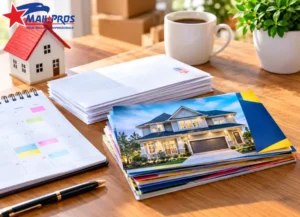
Postcards suit simple offers. Letters provide privacy and space for details. Brochures can explain a range of services. Catalogs help customers compare products.
Customized direct mail can adjust names, images, locations, and offers by segment. Printers refer to this process as variable data printing. Each personal detail should help the reader without feeling intrusive.
Print a full-size proof before approval. Check the smallest text, QR code, phone number, address area, terms, and end date.
Measure Sales Instead of Surface Activity
Set Up Tracking Before Printing
Every campaign needs a response path. Use a landing page, promotion code, call-tracking number, QR code, or sales-system field. Staff should know how to record mailed responses before delivery begins.
Address quality affects cost. USPS explains that Delivery Point Validation can find problems that may block delivery. Mailing list hygiene should also include duplicate removal and move updates.
Track results through the sale. Scans and calls show activity. Revenue, gross profit, and acquisition cost show value.
Test One Meaningful Change
Begin with a controlled pilot. Keep the date and audience similar, then change one element. Test the offer, headline, format, or list segment.
The basic campaign math should remain simple.
Break-even customers = total campaign cost ÷ gross profit per new customer
If a campaign costs $5,000 and each new customer produces $500 in gross profit, it needs 10 new customers to break even. Real calculations should include discounts, labor, repeat purchases, and returns.
Combine Print With Email Without Repeating Yourself
Give Each Contact a Purpose
A postcard may introduce the offer. An email can add detail near the expected delivery date. A final reminder can arrive before the offer ends. Each contact should move the decision forward.
USPS Informed Delivery can add a digital preview to eligible mailings. MailProsUSA offers Direct Mail Plus for campaigns that connect print with online response options.
Compare Real Sales by Channel
When the audience is large enough, create four groups. One receives mail, one receives email, one receives both, and one receives neither.
Compare sales and profit per person. This shows whether the combined approach created extra revenue.
Frequently Asked Questions
Is Direct Mail More Expensive Than Email Marketing?
Direct mail costs more per contact because it includes design, printing, preparation, postage, and delivery. Email is cheaper to send. Cost per acquired customer gives a clearer view. A higher-cost mailing can still be profitable when it reaches qualified prospects and promotes an offer with enough margin.
Can a Business Send Direct Mail Without a Customer List?
Yes. EDDM can reach active addresses on selected carrier routes without a named list. A business can also use a consumer or business list based on geography and relevant traits. Existing customer records work well for renewal, win-back, and cross-sell campaigns.
Which Direct Mail Format Works Best?
Format should follow the offer. Postcards fit simple local promotions. Letters suit private or detailed messages. Brochures explain a range of services, while catalogs present a product range. Choose the audience and offer first. The amount of information will help determine the format.
How Can a Business Track Direct Mail Results?
Use a dedicated phone number, landing page, QR code, promotion code, or sales-system field. Connect each response to qualified leads, completed sales, revenue, and gross profit. Campaign attribution should show what happened after the first scan or call.
How Often Should a Business Send Direct Mail?
Frequency depends on the buying cycle, urgency, audience size, and budget. Start with two or three planned contacts. Review profit after each mailing. Increase frequency while each extra contact produces enough new business to cover its cost.
Bottom Lines
Direct mail marketing can be more powerful than email marketing when attention, memory, location, and trust affect the sale. MailProsUSA helps businesses use those strengths through planned print and mailing campaigns. Email remains useful for speed and regular follow-up. The strongest plan gives each channel a clear task.
Choose one audience, one offer, and one action. Set the break-even target before production. Use clear tracking and test a small mailing before increasing the budget.
Begin by gathering the service area, customer profile, offer, budget, and preferred delivery window. These details help the campaign team estimate audience size, format, printing, postal preparation, and response tracking before production starts.
Once those details are ready, contact MailProsUSA for audience counts and a campaign quote. A focused test will provide better evidence than another month of assumptions about which channel should receive the next marketing dollar.