Why Direct Mail QR Codes Get Attention but Not Conversions

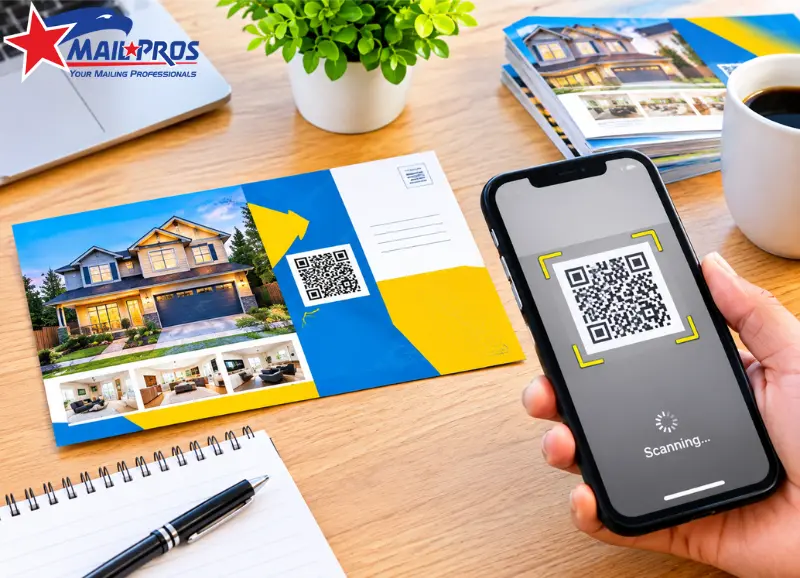
A QR code can work and still produce no revenue. A scan only shows enough interest to open a phone camera. What happens next decides whether that interest becomes a lead, appointment, order, or lost visit.
That is where campaigns are often misread. A healthy scan count looks encouraging, yet sales stay flat. The better question is where people stopped after scanning.
Claude C. Hopkins wrote, “Advertising is salesmanship.” A QR code should be judged by the same standard.
Direct Mail QR Scans Show Where Revenue Is Lost
Direct mail is easier to diagnose when it is treated as a funnel instead of a scan count.
Mail delivered → QR scans → page visits → form starts → completed leads → appointments or checkouts → sales
Imagine 10,000 pieces produce 240 scans, 90 form starts, 24 completed forms, and 6 sales. The largest loss happens during the form. Redesigning the postcard first would attack the wrong problem.
Scan rate is useful, but it is only an engagement signal. Find the sharpest drop in the funnel before deciding what needs to change.
Keep The Printed Offer Intact After The Scan
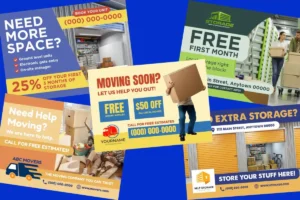
The first break often appears when the promise on the mailpiece changes on the phone.
A homeowner scans because the postcard says “Book a free roof inspection.” The page opens with a company introduction, several menu choices, and no obvious inspection offer. Nothing is technically broken, but the path no longer feels connected.
Repeat The Same Promise
A QR code landing page should carry over the headline, offer, important conditions, and next step. If the postcard mentions a discount, appointment, estimate, or deadline, the visitor should not have to search for it again.
Send People To One Clear Destination
A campaign-specific page is usually more useful than a general homepage because it already knows why the visitor arrived.
The printed piece matters too. QR placement, size, surrounding white space, and the call to action should be checked on the final artwork. Businesses still preparing the mailer can review postcard printing options while the layout is being finalized.
Match The Audience To The Offer
Scans have little value when they come from people who were unlikely to buy.
“Scan to win” may attract curiosity. “Scan to check appointment availability in your ZIP code” signals stronger intent. The second message may earn fewer scans while producing more useful leads.
This is also why targeting belongs in the conversion discussion. Direct mail sent to the wrong households cannot be rescued by a polished mobile page.
A broad neighborhood offer can justify saturation. A specialized consumer or B2B service usually needs tighter selection. When age, location, household traits, or business characteristics matter, targeted mailing lists can support a more relevant audience.
The targeting method should follow the offer and realistic customer base.
Remove Mobile Friction Before Printing
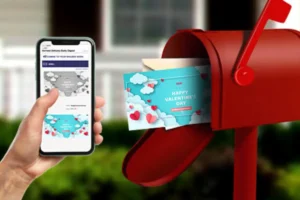
Someone who scans a postcard is already on a phone. The response path needs to work in that setting, not just in a desktop preview.
Make The First Screen Useful
Show the offer and primary action early. Large decorative images, pop-ups, long company histories, and competing buttons can bury the reason the person scanned.
Shorten The Form
If name, phone number, ZIP code, and service type are enough to begin, collect the rest later. Extra fields add effort before the visitor receives any value.
Test The Real Experience
Scan the printed proof on iPhone and Android. Use cellular data. Tap the phone number, submit the form, open the booking calendar, and try the coupon or checkout flow.
A working QR code proves only that a page opens. It does not prove the path works.
Track The Path Beyond The Scan
Measurement often stops too early.
A person may scan today, return through search later, and finally call. If the campaign records only the first session, the eventual sale may appear unrelated.
Use a campaign-specific destination and consistent source, medium, and campaign naming. Track the outcomes that matter, such as completed forms, booked appointments, calls, coupon use, checkouts, and purchases.
The CRM should preserve the original lead source too. Otherwise marketing may know that a scan occurred while sales has no record of where the customer came from.
This is one reason postcard mailing services should be evaluated beyond printing and postage. Measurement needs to be planned before the pieces enter the mail stream.
Prepare Follow-Up Before Leads Arrive
A fast page cannot compensate for a slow sales process.
Before the direct mail drop, decide who receives each lead, what confirmation the prospect sees, and what happens next. Appointment-driven businesses can offer scheduling immediately. Quote-driven businesses should tell prospects when to expect contact.
A useful confirmation page can also answer the next practical question instead of ending with a generic thank-you message.
Direct mail conversion continues after the form. The handoff to sales belongs to the campaign.
Choose The Mailing Method That Fits The Market
Not every campaign needs narrow targeting.
A restaurant, neighborhood clinic, or home service with broad local appeal may benefit from route-based saturation. A specialized offer may need selected records instead.
For wide local direct mail coverage, EDDM postcard printing can fit campaigns designed to reach households across chosen routes. For a narrower market, the audience should be defined before quantity is set.
That distinction also matters when comparing postcard mailing services. Production quality matters, but so do list preparation, proofing, postal setup, and consistency between the mailed offer and its response path.
Audit The Scan-to-Sale Path Before The Next Drop
Before increasing volume, review the campaign as both a customer and an analyst.
- Scan the final printed piece on more than one phone.
- Confirm that the printed offer and page headline match.
- Check the page over cellular data.
- Complete every form from start to finish.
- Test calls, booking tools, coupons, and checkout actions.
- Confirm that source data reaches analytics and the CRM.
- Check that lead alerts reach the right person.
- Review the confirmation message and next step.
- Compare drop-off between each stage.
- Fix the largest leak before changing several things at once.
This gives the next direct mail test a clear purpose. Improve the stage that is actually losing prospects.
Frequently Asked Questions
QR Code Conversion Questions
Why Do People Scan a QR Code But Not Buy?
The scan may come from curiosity rather than buying intent. Sales can also be lost when the page does not match the offer, the form is too long, the mobile experience is poor, or follow-up is slow.
Should a QR Code Go To a Homepage Or Landing Page?
A dedicated campaign page is usually stronger for a response-focused mailing because it can repeat the offer and guide the visitor toward one action. A homepage is better when the goal is general company exploration.
What Should Be Tracked Beyond QR Scans?
Track form starts, completed leads, calls, bookings, coupon use, checkout activity, purchases, and final sales where applicable. Measurement should continue far enough to connect marketing activity with revenue.
Is a Higher QR Scan Rate Always Better?
No. More scans help only when they come from relevant prospects and lead to useful actions. A smaller number of high-intent scans can be more valuable than a large number of curiosity-driven visits.
How Can a Business Improve QR Conversion Before Mailing?
Test the offer, scan the printed proof, review the page on a real phone, shorten the form, verify tracking, and confirm how incoming leads will be handled. Fixing these gaps before production is usually easier than correcting them after a large drop.
Conclusion
A scan is the start of the response, not the result. Strong direct mail connects the audience, offer, printed piece, mobile experience, tracking, and follow-up so the customer never has to work out what to do next.
Start with the weakest stage in the current funnel and fix that stage before increasing volume. If the next campaign needs one coordinated path from planning and printing through mailing and response, MailProsUSA can help bring those pieces together.
The useful number is not how many people scanned. It is how many qualified prospects kept moving.