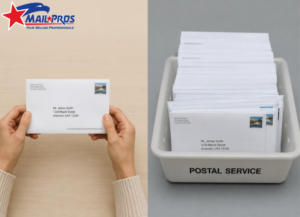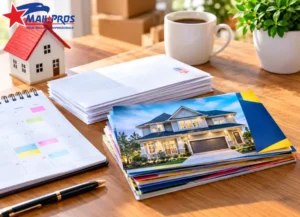


Bulk mail still works because people notice what they can hold, scan, and keep. A postcard on the kitchen counter or a flyer in the mailbox can stay in front of a customer longer than a digital ad that disappears in seconds. Still, response does not happen by chance. The design has to make the offer clear, guide the eye, and give people a reason to act.
For beginners, the biggest mistake is trying to say everything at once. A strong mail piece does not need crowded text, too many colors, or a dozen calls to action. It needs focus. Whether you are using direct mail marketing services for the first time or planning your own campaign, the goal is the same. Make the message easy to understand and easy to respond to.
Good design also connects with the right audience. A dental office, restaurant, home service company, or retail store will not use the same message. Each audience has different needs, timing, and buying reasons. That is why smart design starts before the artwork. It starts with knowing who should receive the mail and what action you want from them.
Build a Clear Message Before Designing
One Main Offer: Every mail piece should have one main offer. A discount, free estimate, new customer special, or limited service package gives readers something specific to consider. When the offer is clear, the design becomes easier because every visual and line of text supports one purpose.
Strong Headline Placement: The headline should be visible within seconds. Use simple words that explain the benefit quickly. Avoid clever wording that makes people think too hard. A headline like Save on Your First Cleaning Visit works better than a vague phrase that sounds stylish but says little.
Simple Supporting Copy: Your supporting text should answer the basic question in the reader’s mind. Why should I care right now? Keep sentences short and practical. A few clear lines about value, convenience, trust, or savings are usually stronger than a long paragraph filled with business details.
Visible Call to Action: Your call to action should stand out from the rest of the design. Tell readers exactly what to do, such as call today, scan the code, visit the page, or book an appointment. Many bulk mailing services perform better when the next step is obvious and repeated once.
Local Trust Signals: People respond better when the mail feels local and believable. Add service areas, years in business, customer ratings, license details, or a short proof point. These small details help build confidence and make the piece feel less like random advertising.
Design for Fast Reading and Visual Impact

Clean Layout Structure
A clean layout helps readers move from headline to offer to action without confusion. Use spacing between sections and avoid packing every corner with text. A simple structure makes the mail look professional and helps the reader understand the message faster.
Balanced Color Use
Color should guide attention, not fight for it. Choose one main brand color and one accent color for important details. Bright colors can work well, but only when used with control. Too many colors can make even a good offer feel cheap or messy.
Readable Font Choices
Use fonts that are easy to read in print. Fancy scripts and thin letters may look attractive on screen but fail in a mailbox setting. For body text, choose a clean font with enough size and spacing. The reader should not need effort to understand the message.
Helpful Image Selection
Images should support the offer. A restaurant can show an appetizing meal, while a home service company can show a real technician or finished result. Avoid generic stock images that feel unrelated. A relevant image can explain value faster than a paragraph.
Smart Use of White Space
White space is not wasted space. It gives the eye a place to rest and makes important content stand out. Beginners often fill every blank area, but that usually lowers response. A design with breathing room feels more confident and easier to trust.
Improve Response With Better Targeting

Audience Match
Design should reflect the audience receiving the mail. Families, homeowners, new movers, patients, and business owners respond to different messages. This is where direct mail list providers can help by narrowing the audience before design begins.
Location Relevance
Local details make the message more personal. Mentioning a neighborhood, service radius, or nearby landmark can make the mail feel more relevant. When people believe the offer is meant for their area, they are more likely to read it and respond.
Timing Strategy
A great design can underperform if the timing is wrong. Seasonal needs, holidays, weather changes, and local buying habits matter. For example, HVAC offers may work better before peak heat, while restaurant offers can perform well before weekends or events.
Offer Personalization
Small changes can make a campaign feel more targeted. A first visit discount, homeowner special, new patient offer, or local customer reward can improve attention. Personalization does not need to be complicated. It only needs to feel relevant.
Cost Awareness
Design decisions affect budget. Size, paper type, quantity, postage, and finishing all matter. A direct mail campaign cost calculator can help estimate the full spend before printing. This keeps beginners from overdesigning a piece that becomes too expensive to mail.
Prepare the Mail Piece for Printing
Correct Size Selection
Choose a size that fits the goal. Postcards are simple and affordable, while larger pieces give more room for details. Bigger is not always better. The right size depends on the message, budget, audience, and amount of information needed.
Print Safe Margins
Important text should not sit too close to the edge. Print trimming can shift slightly, so keep logos, phone numbers, and calls to action inside safe margins. This small technical step protects the final appearance and avoids costly mistakes.
Clear Contact Details
Make contact information easy to find. Phone number, website, address, and QR code should be visible without searching. Readers should not have to flip back and forth to respond. The easier the contact path, the better the chance of action.
Quality Paper Choice
Paper quality changes how the brand feels. A flimsy piece may be ignored, while a solid card can feel more credible. Beginners should compare paper options carefully because feel, finish, and durability can influence response as much as visuals.
Final Proof Review
Before printing, review every detail. Check spelling, phone numbers, offer dates, QR codes, addresses, and legal notes. Also view the design at actual size. Many errors are missed on screen because the piece looks larger than it will in real life.
Track Results and Improve the Next Campaign
Unique Phone Numbers: Using a unique phone number helps measure response from the mail campaign. This is useful for service businesses that get calls instead of online forms. Tracking calls gives a clearer view of which design, offer, and audience produced results.
Dedicated Landing Pages: A dedicated landing page keeps traffic focused. Instead of sending readers to a general homepage, send them to a page that matches the mail offer. This improves clarity and makes it easier to measure visits, form fills, and bookings.
QR Code Tracking: QR codes are useful when they are easy to scan and placed near the call to action. Always test them before printing. Add a short instruction beside the code so readers know what they will get after scanning, such as a coupon or appointment page.
Response Rate Review: After the campaign, compare cost, responses, and sales. Bulk mailing cost per piece pricing matters, but the lowest price is not always the best value. A better designed piece may cost slightly more and still produce stronger returns.
Campaign Testing: Do not judge direct mail from one campaign only. Test one change at a time, such as headline, offer, image, or audience. This makes results easier to understand. Over time, small improvements can turn an average campaign into a reliable lead source.
Frequently Ask Questions
What makes a bulk mail design effective?
An effective design has a clear offer, strong headline, readable layout, and simple call to action. It should be easy to understand within a few seconds. The best designs remove confusion and guide the reader toward one specific next step.
How much text should be on a mail piece?
Use only the text needed to explain the offer and create trust. Too much copy can make the design feel crowded. A short headline, a few benefit focused lines, and clear contact details are usually enough for postcards and small mailers.
Should beginners use both sides of a postcard?
Yes, both sides can be useful when planned well. One side can focus on attention and branding, while the other side can explain the offer and response details. Keep both sides clean so the reader does not feel overwhelmed.
How important is the mailing list?
The mailing list is extremely important. Even a strong design can fail if it reaches the wrong people. This is why many businesses compare direct mail list providers before launching. Better targeting usually leads to better response quality.
How can I estimate campaign costs?
Start by reviewing quantity, size, print quality, postage, and design needs. A direct mail campaign cost calculator can help create a practical estimate. Also compare bulk mailing cost per piece pricing so you understand the real cost before launch.
To Sum Up
High response bulk mail design is not about making the loudest piece in the mailbox. It is about making the clearest one. Beginners should focus on one offer, strong visuals, readable copy, accurate targeting, and proper tracking. When these basics work together, direct mail becomes easier to measure and improve.
For businesses using bulk direct mailing services, the best results usually come from steady testing and thoughtful design choices. MailProsUSA can naturally fit into that process by helping businesses think through campaign structure, print readiness, and response focused presentation.