Direct Mail Follow Up Techniques for Recovering Lost Estimate Leads

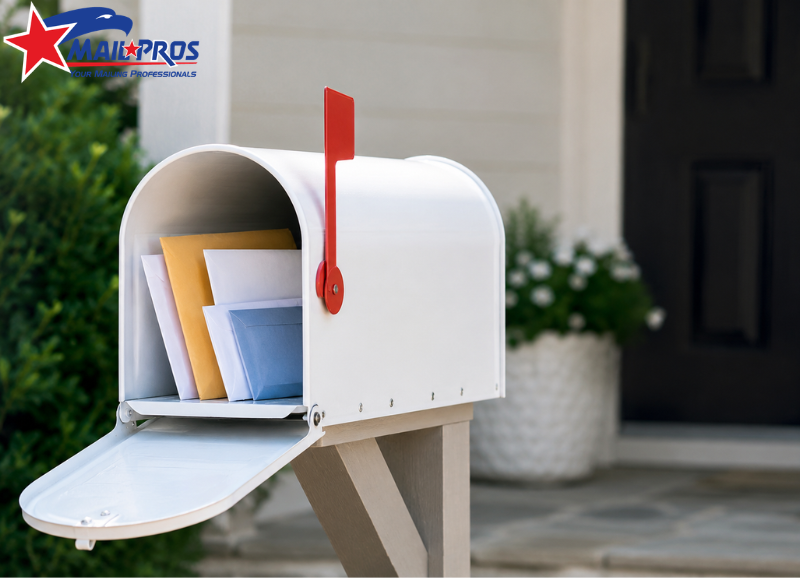
When someone asks for an estimate, they are already interested. The problem is that interest can cool fast. People get busy, compare prices, or forget the details of the conversation. That does not always mean the opportunity is gone. A thoughtful reminder can bring the project back into focus without sounding pushy.
For service businesses, the best direct mail follow up strategies feel personal, useful, and timely. They give the customer a clear reason to respond, while reminding them why they reached out in the first place. When used with email and phone calls, direct mail services can help turn missed estimates into real appointments.
How to Build a Better Follow Up Plan?
Start on Fresh Estimation
The best time to reach out is shortly after the estimate is missed or left unanswered. A message sent within a few days feels relevant because the customer still remembers the job, the problem, and the price discussion. Waiting too long makes the reminder feel random.
Match the Message to the Customer
A homeowner who missed a roofing estimate needs a different reminder than a business owner who asked about signage. Good mail marketing starts with the context of the original request. Mention the service, the concern, and the next step in plain language.
Use a Simple Printed Reminder
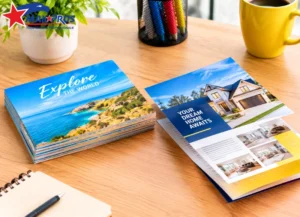
A follow up postcard printing works because it is easy to see and easy to understand. It does not need a long pitch. A clear headline, a short reminder, a phone number, and a direct call to action can do more than a crowded design filled with claims.
Keep Timing Consistent
Strong direct mail campaigns are planned before leads go quiet. A business might send one reminder after five days, another after two weeks, and a final note later in the month. This keeps the brand visible without overwhelming the customer.
Give the Customer a Reason to Act
The reminder should not only say that the estimate is waiting. It can mention schedule availability, seasonal timing, limited production space, or helpful next steps. A useful estimate follow up shows the customer that replying now makes the process easier.
Turning Missed Estimates Into Responses
Focus on Helpfulness First
A reminder should sound like a service note, not a sales chase. Customers respond better when the tone is calm and useful. A short line such as, “We wanted to make sure you had everything you needed,” feels more professional than pressure.
Make Easy Offers
If you include an incentive, keep it simple. A small discount, free consultation, or priority scheduling can work, but only when the customer understands it quickly. Direct mail for lead generation performs best when the offer feels clear and believable.
Connect Print with Digital Actions
Printed mail can guide people back to a landing page, booking form, or saved estimate. This makes the response easier to track. A direct mail strategy should include a phone number, web address, and QR code when it fits the audience.
Personalize Without Overdoing
Personalization can be as simple as using the customer name, project type, or neighborhood. The goal is to remind the person that the message relates to their request. Too much detail can feel uncomfortable, so keep it natural and respectful.
Keep the Design Clean
The design should make the next step obvious. Use one main message, one offer if needed, and one response path. For missed estimates, direct mail strategies work best when the reader can understand the card in a few seconds.
Practical Content Ideas for Missed Estimates
Reminder of the Original Request
A simple note that refers to the customer’s requested service can work well. It might say that the estimate is still available and your team can answer any questions. This keeps the tone useful and avoids making the customer feel blamed.
Seasonal Urgency Message
Some estimates become more important during certain seasons. HVAC, roofing, lawn care, dental marketing, and print orders can all be time sensitive. A seasonal reminder can help people act before schedules fill or conditions change.
Before and After Proof
A postcard can include one strong result, such as a finished project image or a short customer comment. In mail marketing, proof matters because people want confidence before they choose a provider. Keep it honest, specific, and easy to scan.
Simple Second Chance Offer
A follow up postcard with a second chance message can invite the customer to restart the conversation. It should not sound desperate. A clear line like, “Still thinking it over?” can make the card feel human and open the door for a reply.
Multi Channel Reminder Plan
Print works better when it supports calls, texts, and email. A balanced direct mail strategy gives the customer more than one way to return. The point is not to chase harder, but to make the next step easier.
Common Asking Questions
How soon should a business send a reminder after a missed estimate?
Many businesses do well with a first reminder within three to seven days. That timing keeps the conversation fresh while giving the customer a little space to review the estimate or compare options.
What should be included on the postcard?
Include the customer focused reason for the message, a short benefit, a clear next step, and contact details. Avoid too much text. The card should be readable in seconds and easy to act on.
Are printed reminders better than email reminders?
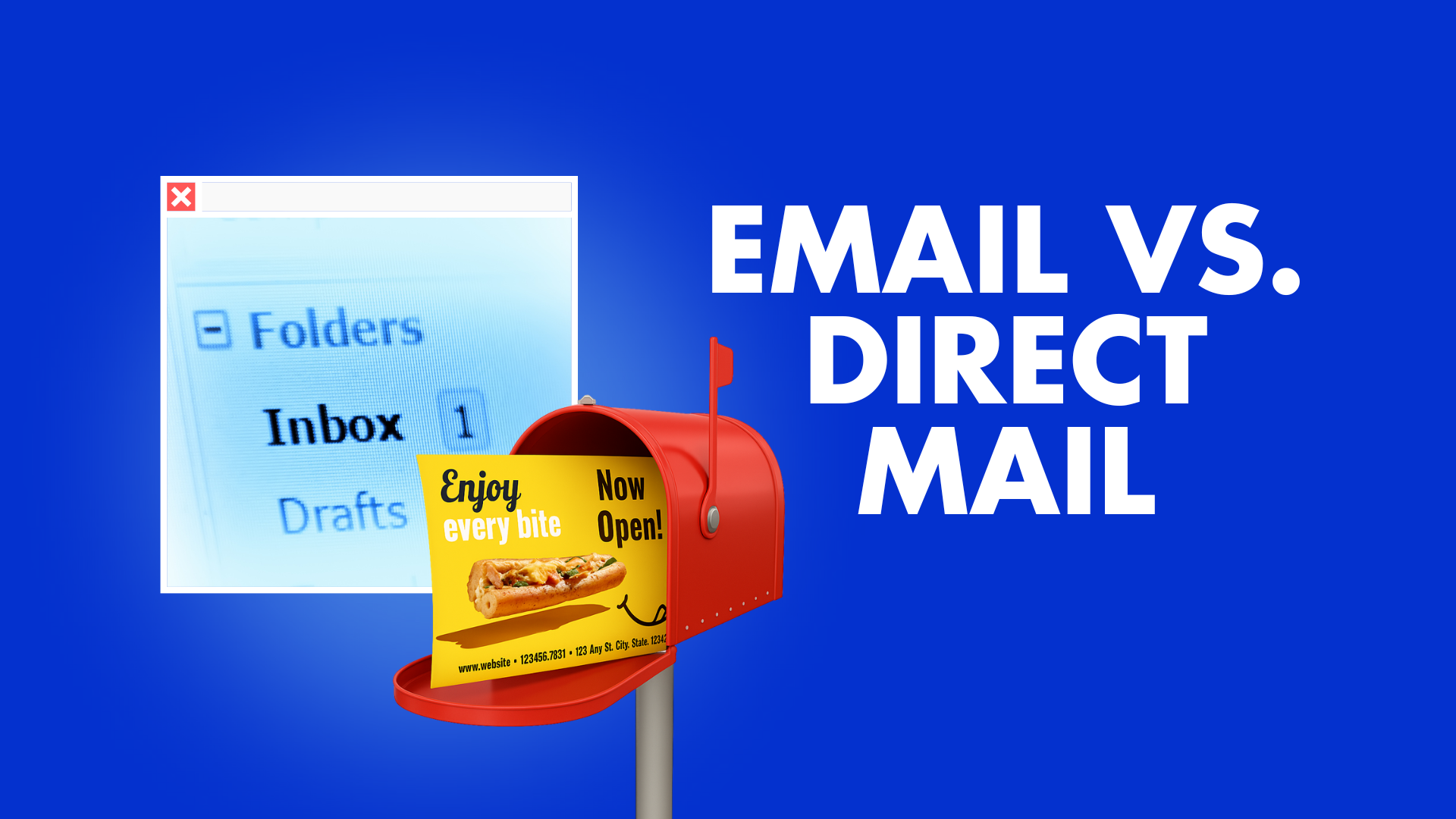
They serve different purposes. Email is quick, but it can be ignored or buried. A printed card gives the reminder a physical presence at home or in the office, which can help restart the conversation.
Should every missed estimate get the same message?
No. The message should match the service, the customer type, and the reason the estimate may have stalled. A small amount of segmentation can make the reminder feel much more relevant.
How can results be measured accurately?
Use tracking numbers, unique URLs, QR codes, offer codes, or notes in your sales system. Good tracking shows which messages bring people back and helps improve future follow up work.
To Sum Up
Missed estimates are not always lost business. Many customers still need the service, but they need a clear and respectful reminder. A well timed printed message can bring attention back to the estimate, answer hesitation, and make the next step simple. For businesses that want a practical way to reconnect, MailProsUSA can be part of a measured and professional follow up process.