Building a Local Client Base: A Guide for Insurance Agents

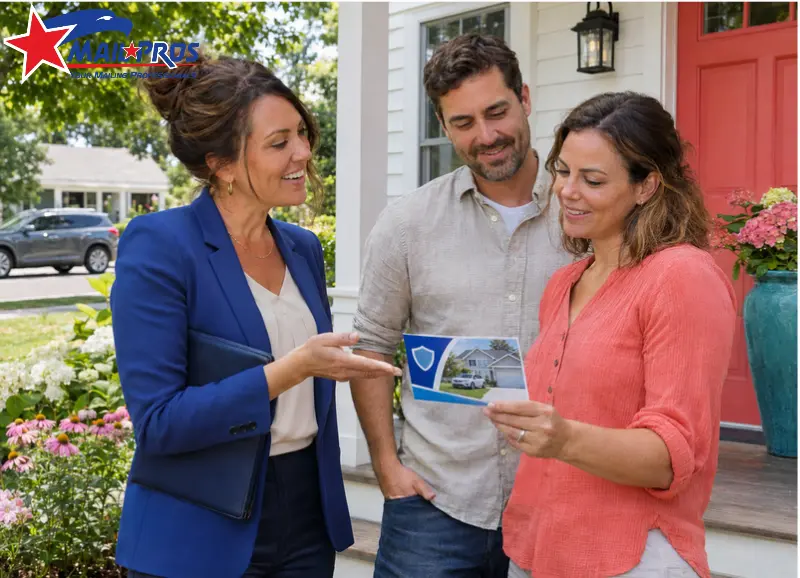
A combination of local targeting, referrals and direct mail can help to acquire new local customers. For a combined home and car insurance offer, it could be offering an evaluation of excesses, limits of cover and policies available.
Better data can be captured if the campaign targets households in your service area. By following this process, you can see a path being created from initial inquiry to quotation. This is important as not all leads may fall within your quoting capabilities.
Local Customer Targeting For Insurance Agents
Check that you can target a reasonable volume of local households. Ensure that the agency holds the correct state licensing and appointments. Check any limitations for the area. An effective call to action is to identify when a household may be making a decision. For example, a homeowner who has recently made a purchase, or one due for renewal.
Create an objective for how many sales you would like to make based on quality quotes and reviews. Create a mailshot aimed at this audience. Within this mailshot, make clear what the meeting will include and what information the homeowner will need to provide. Be careful not to suggest that all customers will make savings.
Insurance Agents’ Local Search Presence
Ensure you are easily found through referrals/postcards by having accurate information in your Google Business Profile. Make sure to include the correct business name, category, phone number, opening hours and a suitable office address. Including photos can help people identify your team and location.
Include the correct area(s) covered. Include any relevant licensing. Avoid creating generic pages and adding multiple versions of the page for different towns. Encourage genuine feedback. Don’t offer incentives or filter for positive feedback. Do not include information about policies in public comments. Ensure potential customers know who you are before asking them for personal information.
Professional Referrals For Insurance Agents
Real Estate Professionals can refer buyers looking to review insurance. In property management, accounting and local communities, similar requests may come up; however, appropriate offers will need to be made depending on the relationship.
To make it easy to receive referrals from these sources, create a quick list of questions for homeowners so that you can get the required information. Provide a contact name and booking link for ease of referral. When passing on customer information, you must have permission. Check the rules for referrals in your relevant state before adding payment/gifts.
The same principle can apply to local events. During a home ownership workshop, a review can be offered with an optional booking form. Log this event/partnership with the enquirer. This means local marketing is being linked to a clear customer journey. It also means decisions can be made on which relationships to invest more time in.
Direct Mail For Homeowner Coverage Reviews
Mailing List Selection
Depending on what you want to offer homeowners, you’ll need to select a list of Homeowners. Residents may require a different list.
Ask for a Homeowners list in the required ZIP codes. Ask if there are any further property-related criteria. Find out when the records were last updated. Find out how duplicates, existing customers and opt-outs are managed.
If you’d like to send a piece to all homes within a certain area, Every Door Direct Mail is an option. This will see your mail go to all addresses on designated postal routes. However, we won’t know exactly which households qualify – just demographic information about the area.
This should be considered when planning your direct mail piece as an insurance agent.
Postcard Copy
To make the postcard clear, consider a clear call to action. In this case, “Review Your Home And Auto Coverage” is better than offering unspecified savings. A brief description of the appointment should be included. Include the agent’s name, telephone number and a short URL. Alternatively, include a QR code.
Care must be taken with what is said in this advertisement. You shouldn’t suggest guaranteed acceptance, guaranteed savings or offer cover that you can’t provide. Claims on the postcard should be legible. Have them checked by the correct reviewer and ensure brand imagery matches the carrier. Once approved, you can produce the postcards.
Print Proof
Once you have a target audience and content, you can begin producing the postcard. Determine the correct size for your mail method. Choose paper quality and finishing based on your budget.
Request a full sized proof to be sent with your print. Check the smallest text to ensure it is a suitable size.
- Calling the number works.
- Visiting the short URL and scanning the QR code work.
- Both lead to the correct offer.
Request a quote including data, design, print, addressing, franking and postage. Just knowing the printing cost means your budget isn’t complete.
Quote Follow-Up By Insurance Agents
On the landing page, continue the call to action. Collect necessary information to allow for follow up. Be clear on how the information will be used, and include a privacy policy. Sensitive information from applications should be collected via a secure process provided by the agency.
Include a campaign code in all lead generating mailings. This way you know which form came from which mailing. If someone calls you on the telephone, ask which offer they found the enquiry for.
Assign a specific person to deal with these requests. Note down what cover they are interested in, what contact method they prefer, and the next action to take. If renewal is some time in the future, schedule an appropriate date to review.
Ensure you have appropriate consent to follow up. Just scanning the QR code should not count as consent.
Campaign Costs And New Customers
Cost Per Customer
Count new clients, good leads, quotations and responses. As customers in this case might have both Home and Auto cover, count households and policies.
Divide the total cost of the campaign by the number of new customers to calculate the cost per new customer. For example, if your campaign cost is $1,200 and you gained 6 new customers, each customer costs $200. This is just an example.
Compare this cost with the expected revenue to the agency (excluding service costs and cancellations). This does not include a profit to the agency.
Quote Delays
If leads are not turning into quotations, consider whether they meet carrier criteria. If good leads are taking too long to convert, it could be due to missing information, incorrect timing, or not knowing what happens next.
Consider the insurance marketing postcard and response page before altering the offer. Consider the effectiveness of insurance advertising based on new customers. Allow delayed quotations to progress before sending another mail-out.
Frequently Asked Questions
How do I attract local customers?
Define your target audience, develop referral partnerships, ensure you have accurate local search info and include a clear value proposition within the campaign. Track leads and conversions.
Can I get good results from direct mail to attract local customers to my insurance business?
This depends on audience, value proposition and follow-up. If you have a clear source of responses and separate conversion data from leads, it will be easier to see how successful the campaign is.
How much should I spend on an insurance postcard?
To get a full idea of costs, ask for a detailed quote on print, target audience data, production and postage. To determine how much to spend in this test, ensure that this price allows for an acceptable cost per customer given the business’ income. Prices will vary greatly depending on location and product type.
How frequently should we send direct mail?
Based on initial results from the campaign, and considering renewal dates, outstanding quotes, and budget, decide if it would be a good idea to send a second round of direct mail.
What should go in my direct mail for insurance?
Include information about the business offering the insurance, the value proposition, and a clear way to respond. In direct mail campaigns for insurance, ensure that leads can easily direct to a relevant page or person.
To Sum Up
Target a specific audience and develop a helpful offer to review coverages. Ensure that a team is in place to respond to leads. To begin, ensure the list is correct, finalised proofs are approved, and processes for measurement are in place.
Give details of target postcodes, insurance type, budget, and desired send date. Ask for numbers in the audience, full pricing, and production timescale. Once happy with the first mail, approve it