How USPS Tracking Helps Measure and Improve Direct Mail ROI


Direct mail still works because people touch it, notice it, and often keep it longer than a digital ad. The hard part is proving what happened after the pieces entered the mailstream. USPS tracking gives business owners a clearer view of delivery timing, while the right response tools connect that timing to calls, visits, quote requests, and sales.
For companies, the goal is not just sending postcards. The goal is knowing whether the mailing created revenue. When direct mail services include planning, printing, route selection, and reporting, the campaign becomes easier to judge and improve.
A strong plan connects delivery signals with customer action. That means using call tracking, QR codes, landing pages, offer codes, and staff notes. With that setup, direct mail marketing becomes a measurable channel instead of a one time expense.
How USPS Tracking and Delivery Visibility Work?
Mail Movement Signals
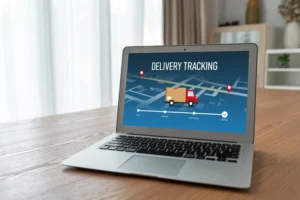
USPS direct mailing is not the same as package tracking. Business mail visibility is usually based on processing scans, Intelligent mail barcode data, and mail movement events. These signals help estimate when pieces are moving through the system and when response may begin.
Better Arrival Planning
A business should not judge results the day pieces are dropped. Delivery takes time, and response often follows after the offer reaches homes. Mail delivery tracking helps your team prepare for calls, store visits, appointment requests, and online traffic during the right window.
Smarter Route Selection
The USPS mapping tool helps review carrier routes, neighborhoods, and household details before a campaign is printed. This supports better area selection for restaurants, clinics, home service brands, retail stores, and franchises that need focused reach.
Local Coverage Options
Every door direct mail eddm is useful when an offer applies to a broad local area. It can support grand openings, seasonal services, retail promotions, and restaurant coupons. It works best when the audience is geographic instead of a narrow named list.
Practical USPS Reference
USPS business mail resources describe informed visibility mail tracking and reporting as a near real time source for domestic mail and mail aggregate tracking information. This type of visibility can support better USPS mailing decisions before final response numbers are complete.
How USPS Tracking Helps Measure Direct Mail ROI?
Simple ROI Formula
A clear way to calculate direct mail ROI is campaign revenue minus total campaign cost, divided by total campaign cost, then multiplied by 100. Include design, printing, postage, list work, landing pages, call tracking, and offer cost to keep the number honest.
Realistic Campaign Example
Imagine a dental office mails 10,000 postcards. Delivery data shows homes likely received the offer from Monday through Thursday. Over two weeks, the office records 84 calls, 31 appointments, and 14 new patients. That is campaign tracking tied to business value for one direct mail campaign.
Response Channel Setup
Delivery visibility tells you when the audience may have received the piece, but it does not prove sales by itself. Use a unique phone number, QR code, landing page, and coupon code. These tools connect responses to the mailing instead of mixing them with normal leads.
Reporting Owners Understand
A useful report should show quantity mailed, routes, delivery window, offer, response channels, leads, sales, cost, and next action. This makes marketing ROI easier to explain because the owner can see what worked and what should change next. It also makes marketing ROI easier to compare.
Tracking Methods for Direct Mail ROI Measurement
| Tracking Method | What It Measures | Best Use |
| Call tracking | Phone leads and call quality | Service businesses |
| QR code | Scans and landing page visits | Offers and appointments |
| Coupon code | Redemptions and sales | Retail and restaurants |
| Delivery visibility | Mail movement and timing | Campaign planning |
Using USPS Tracking Data to Improve Future Campaigns
Stronger Audience Decisions
A direct mail campaign should teach something useful. If one route responds better, give it more attention next time. If another area stays quiet, adjust the offer, list, or quantity before spending again. That is how direct marketing becomes disciplined.
Cleaner Offer Testing
A campaign can test two offers, two headlines, or two route groups. Keep the test simple and compare results after delivery. Direct mail advertising becomes more efficient when the next creative decision is based on customer behavior, not personal preference.
Better Multichannel Timing
When the delivery window opens, your team can coordinate search ads, email, social posts, and sales follow up. This makes campaign tracking more valuable because mail creates attention while digital channels give customers another path to respond.
Route Level Learning
Place the second USPS mapping tool mentioned where it helps the reader. After results are collected, compare route performance with response quality. This shows which areas deserve another mailing and which areas may need a different offer.
Long Term Learning
One mailing gives a result, but repeated direct mail campaigns create a pattern. Over time, you learn which routes, seasons, formats, and offers perform best. That history helps budget decisions become more confident and less emotional.
Common Mistakes That Weaken Tracking
Judging Too Early: Many businesses judge a mailing before the delivery window has fully opened. That can make a good campaign look weak. Wait until enough response time has passed, then compare sales activity with the arrival window and offer a deadline.
Using One General Phone Number: If every lead goes to the same number, it becomes harder to know what the mailer produced. A unique number gives cleaner data. It also helps managers review call quality and understand whether the offer attracted serious prospects.
Sending Without A Clear Offer: A beautiful design cannot fix a weak reason to respond. The offer should be easy to understand in seconds. For direct mail advertising, a clear discount, appointment incentive, free estimate, or local promotion usually works better than vague branding.
Ignoring Route Level Results: A campaign may perform well overall while some routes underperform. Reviewing route level response helps decide where to mail again. Every door direct mail eddm becomes more useful when the next drop is based on real area performance.
Forgetting The Follow Up Plan: USPS direct mailing should be supported by sales readiness. If calls are missed or forms are not answered quickly, revenue can be lost. Good USPS mailing planning includes staff coverage, quick replies, and a clear path from lead to sale. Mail delivery tracking also supports timing.
Frequently Ask Questions
Is postal tracking the same as package tracking?
No. Marketing mail visibility is usually about mail movement and timing, not the same consumer level scan detail used for parcels. It is still useful because it helps businesses understand when the market likely received the offer.
Can a small business measure results without expensive software?
Yes. A small business can start with a unique phone number, QR code, landing page, coupon code, and a spreadsheet. The important part is recording dates, leads, sales, cost, and revenue in one place.
Does EDDM work for every business?
It works best when the offer fits a broad local area. Restaurants, gyms, urgent care centers, home services, and retail stores can often use it well. A narrow business offer may need a more targeted list.
How soon should results be reviewed?
Check early signs during delivery, then review full performance after the offer has had time to work. Many local campaigns need one to three weeks before the result is judged fairly.
What should a good campaign report include?
A good report should include mailed quantity, audience, routes, timing, response channels, leads, sales, cost, revenue, and next steps. The best report helps the business make a smarter decision for the next mailing.
Wrapping It Up
Tracking does not make a weak offer strong, but it does make a good campaign easier to understand. With delivery visibility, response tools, and clear reporting, a business can see which areas performed, which offer created action, and which next step deserves more budget.
The best direct mail campaigns are planned with measurement in mind from the start. They use smart targeting, clear creative, reliable tracking signals, and simple response paths. That is how printed mail becomes a serious direct marketing channel instead of a guess.
If your next mailing needs stronger targeting, better tracking, and clearer reporting, MailProsUSA can help you build a smarter plan before the first piece goes out. Its direct mail services are designed to support practical planning, cleaner execution, and better decisions after results come in.