
Saturation Mailing for Roofers to Reach Local Homeowners


Roofing is a local business in a very practical sense. A contractor may serve an entire city, but the best opportunities are rarely spread evenly across it. One subdivision may have roofs that are 15 to 20 years old. Another may have taken the brunt of a recent hailstorm. A third may sit around several projects the company has already completed.
Saturation mailing gives roofers a way to focus on those pockets instead of treating every household as equally valuable. The idea is simple. Choose an area for a sound roofing reason, reach most homes within it, and give homeowners a message that fits what is happening there.
Used well, this approach supports direct mail marketing without turning the campaign into a numbers game. More addresses are not automatically better. Better neighborhoods usually matter more.
Why Neighborhood Coverage Fits Roofing?
Roofing needs often develop across groups of homes. Houses built during the same period can have similar roof ages, and homes on nearby streets experience much of the same weather.
Similar Homes Can Face Similar Roof Issues
Think about a subdivision built 18 years ago. Not every roof will need replacement at the same time, but more homeowners may be noticing worn shingles, stains, flashing problems, or signs that an inspection would be useful.
That is a natural setting for neighborhood marketing. The contractor is not claiming that any individual home has a problem. It is simply placing relevant information in an area where the subject is likely to matter.
Storms create another clear use case. After hail or strong wind, local advertising can focus on inspection awareness and common warning signs. Claims should remain factual. A postcard should never suggest that a specific roof is damaged unless that has actually been confirmed.
For a closer look at broad route coverage, see Saturation Mailing Lists for Business Marketing Growth.
Staying Near Existing Work Has Real Value
A lead ten minutes from an active project is easier to inspect and schedule than a similar lead far outside the normal service pattern.
That is why roofing advertising should consider operations as well as reach. Good neighborhood marketing also keeps the company visible where crews and sales teams already spend time. Existing jobs, previous customers, crew travel, and service boundaries can all help decide where the next mailing should go.
This kind of local marketing keeps attention on places the business can realistically serve.
How Roofers Should Choose Mailing Areas?
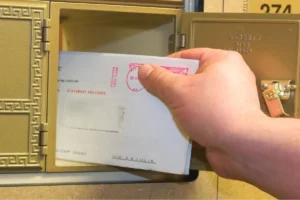
Route selection deserves more thought than postcard design. A beautiful card sent to the wrong neighborhood is still the wrong campaign.
Start with the service area, then look for reasons one part of it deserves attention now.
Look Beyond the Number of Addresses
Housing age, property type, recent weather, nearby projects, customer concentration, and travel time can all be useful signals.
Suppose one route has 600 homes around three recent roofing projects while another has 1,000 newer homes across town. The smaller route may be the stronger choice because the company already has local proof and the housing stock is more relevant.
That is the kind of decision that separates useful roofing marketing from mass distribution.
For address-level planning, Saturation Mailing Lists can support broad residential coverage within selected areas.
Broad neighborhood coverage makes the most sense when a meaningful share of the route could care about the offer. When the audience is much narrower, targeted mailing may be more efficient.
A storm inspection message might suit a broad neighborhood. A specialized offer tied to a particular property profile may call for targeted mailing instead.
That decision can influence roofing leads before a single card is printed.
What the Roofing Mailer Should Say?

A homeowner should understand the point of the piece almost immediately.
The best message usually comes from the reason the neighborhood was chosen in the first place.
Write for the Situation, Not the Service Menu
A storm-affected area may need information about inspections and visible damage signs. An older subdivision may respond better to information about aging shingles, repair warning signs, or replacement planning.
This is one of the most useful roofing marketing ideas because it keeps the message tied to a real local condition.
For more route-based examples, see EDDM Direct Mail Strategy for Local Marketing.
Good postcard marketing does not need a long list of services. One clear headline, one relevant image, a short explanation, trust signals, contact information, and one obvious next step are usually enough.
Trying to fit roof replacement, leak repair, gutters, siding, financing, warranties, and several offers onto one card makes the homeowner work too hard.
Use Proof a Homeowner Can Check
Roofing is part of home services marketing, and trust matters before a homeowner invites a contractor onto the property.
Useful proof may include an applicable license, real customer reviews, manufacturer credentials, accurately stated warranties, and photographs of completed work.
Nearby projects can be especially helpful. If the company has genuinely worked in the area, that fact gives the homeowner something concrete to connect with.
That makes roofing advertising more credible than broad claims such as being the best company in town.
A second postcard marketing touch can build on the first without repeating it word for word.
How Repetition and Tracking Work Together?

A homeowner can receive a card today and need roofing help two months later. That is normal. Roofing demand does not follow the mailing calendar.
Change the Reason to Pay Attention
Direct mail campaigns can build recognition when each mailing has a purpose.
One piece might focus on seasonal inspections. Another could explain common warning signs. A later card could feature a nearby project or a replacement offer.
That kind of repetition can work, but timing should follow weather, seasonality, service capacity, budget, and previous results.
The same rule applies to roofing direct mail marketing ideas in general. Repeat what remains useful, not simply what is already scheduled.
Measure the Full Path to a Sale
Calls are only the first step. Roofing leads should be followed through inspections, estimates, signed work, and revenue.
A dedicated phone number, QR code, landing page, or CRM source field can identify where responses came from. Then compare inspection rates, estimate activity, contracts, cost per lead, and customer acquisition cost.
One route may generate fewer calls but more signed roofs. That route may be far more valuable.
This is where direct mail campaigns become easier to improve. The company can compare real business outcomes instead of judging success by how many pieces were delivered.
Professional mailing services can handle list preparation, printing, postal preparation, and delivery. The roofing company still needs a dependable process for answering inquiries and following up after estimates.
For campaign execution, Direct Mail Marketing Services covers the production side.
Frequently Asked Questions
What is saturation mailing for a roofing company?
Saturation mailing is a geographic approach that reaches most or nearly all deliverable homes within selected neighborhoods or carrier routes. Roofers can use it where inspection, repair, storm restoration, or replacement may be relevant to a broad local audience.
Is saturation mailing the same as EDDM?
No. EDDM is a specific USPS program based on carrier routes. The broader approach described here can also use address data to reach a high share of homes within a chosen geographic area.
Can roofers use it after a hail or windstorm?
Yes, when the message is accurate. A contractor can promote inspections or explain warning signs after severe weather, but it should not claim that a particular home has damage without evidence.
What should a roofing postcard include?
A strong roofing postcard should include one clear message, a relevant project image, trustworthy business information, easy contact details, and one main call to action.
How often should a roofer mail the same neighborhood?
There is no universal schedule. Timing should depend on weather, seasonality, service capacity, previous results, budget, and whether the next message gives homeowners a fresh reason to pay attention.
To Sum Up
Saturation mailing works best when the route, message, and sales process connect naturally. Choose neighborhoods the company can serve well. Look for a real roofing reason to contact them. Keep the message focused. Use proof homeowners can verify. Track the campaign beyond the first call.
That approach gives direct mail a practical role in roofing marketing and makes local advertising easier to evaluate over time.
For roofers ready to build a more focused neighborhood campaign, MailProsUSA can support the data, production, postal preparation, and mailing services needed to move from route selection to delivery. That support can also fit within a wider home services marketing plan.