High-ROI Niches: What Industries Use Direct Mail the Most?

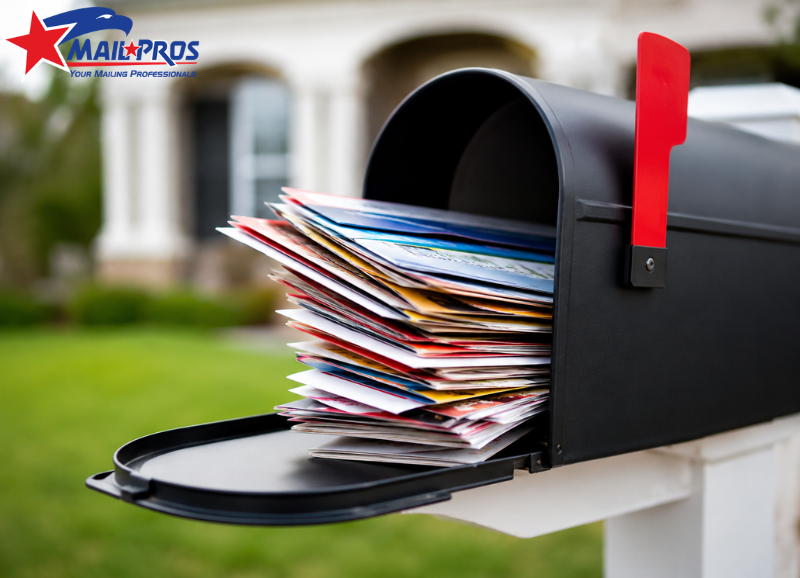
Direct mail continues to earn marketing budgets in industries where one qualified customer can justify the cost of reaching a carefully selected household or business. When customer value is meaningful, geography matters, timing can be planned, and response can be measured, a physical mailpiece has a job to do.
That is why direct mail marketing remains relevant in financial services, healthcare, real estate, home services, automotive, retail, education, restaurants, and B2B sales. Results depend less on volume than on audience quality, offer strength, format, and follow-up.
Businesses that need support across data, printing, preparation, and delivery can review campaign mailing services before setting the workflow.
Why Direct Mail Still Earns Budget Across High-Value Industries?
The strongest direct mail campaigns begin with business value. What is one new customer worth, and how accurately can the business identify people who are likely to need the offer?
That answer changes the direct mail strategy. A roofer may market by neighborhood, while a mortgage lender needs tighter household criteria. A B2B seller may need only a few hundred decision-makers.
This is why direct mail advertising should not be judged only by cost per piece. A smaller, better-qualified mailing can outperform a cheaper drop sent to thousands of poor-fit prospects.
Industries With The Clearest Direct Mail Use Cases
Insurance And Mortgage
Insurance direct mail works best when audiences are separated by product need, renewal timing, location, or customer status. Existing customers and new prospects should not receive the same message.
Mortgage direct mail requires similar precision. Purchase prospects, homeowners exploring equity, and past borrowers are at different stages. The next insurance direct mail or mortgage direct mail touch should use what the first mailing revealed.
Healthcare And Dental
Healthcare direct mail has a stronger purpose when it supports a real service need such as new-location awareness, preventive care, appointment availability, or service-area expansion.
Dental direct mail is especially sensitive to distance. A strong implant, orthodontic, or new-patient offer can still fail when mailed beyond the area patients are willing to travel from.
Any healthcare direct mail program using sensitive information should review data handling and privacy requirements before production. Dental direct mail deserves the same care.
Real Estate And Home Services
Real estate direct mail benefits from repeated local visibility because homeowners may recognize an agent months before they plan to sell. Recent sales, neighborhood updates, and property-value offers give each mailing a reason to exist.
Home services direct mail depends more on weather, housing type, service radius, and crew capacity. A contractor gains little from leads outside an area the team can serve quickly.
When property or household characteristics matter, targeted mailing list services can help narrow the audience before quantity is set.
The next real estate direct mail drop should refresh the proof or offer, while home services direct mail should move with seasonal demand.
Automotive Retail And Restaurants
Automotive direct mail is strongest when it follows a real event such as a service interval, lapsed visit, lease milestone, trade-in window, or seasonal maintenance need.
Retail direct mail also needs a buying moment. Grand openings, private sales, and win-back offers are stronger than a generic reminder. Restaurant direct mail also needs a clear trigger such as a new location or neighborhood promotion.
For short offers, a postcard keeps the action visible. Businesses can compare postcard printing options before choosing size, stock, and finish.
The next automotive direct mail campaign can use service history. Retail direct mail can use purchase behavior, while restaurant direct mail can compare neighborhoods. That makes postcard marketing measurable. A second postcard marketing test should change one meaningful variable.
Education And B2B
Education direct mail fits decisions with deadlines, including open houses, enrollment periods, certificate programs, and incomplete applications.
B2B direct mail usually targets a smaller audience with a higher potential account value. Industry, company size, location, job role, and sales stage can narrow the list before printing.
Business direct mail should support the sales process. Follow-up should continue the same message the prospect saw in the mail.
The next education direct mail piece should move readers toward a deadline, while B2B direct mail can reserve later touches for accounts that still fit. This turns business direct mail into a connected sales tool.
What Separates Strong Mail Programs From Costly Ones?
Audience Quality
A polished mailpiece sent to the wrong people is still wasted budget. Deduplication, address verification, move updates, suppression files, and segmentation should happen before production.
The guide to targeted direct mail and customer engagement explains how audience data can shape the message as well as the address.
Bulk mail services add value when data preparation, addressing, presort, and postal handoff need a consistent process.
Offer And Production Fit
The format should match the decision. A postcard can carry a clear local offer. A letter gives financial or professional services more room. A self-mailer can explain several services without hiding the main action.
Direct mail fulfillment becomes useful when campaigns require multiple versions, stored materials, inserting, kitting, or scheduled releases. Version control matters because the wrong creative reaching the wrong segment wastes both print and postage.
Businesses planning larger programs can review bulk mailing services to see how print preparation, presort, addressing, and postal handoff work together.
Tracking And Follow-Up
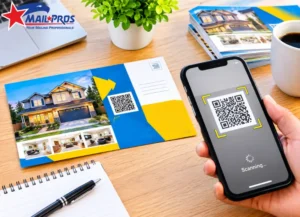
Every campaign needs a response path. Trackable phone numbers, QR codes, landing pages, offer codes, CRM fields, and customer matchback can connect a mailpiece with an eventual sale.
Direct mail advertising is valuable only when responses become qualified leads, appointments, orders, or retained customers. Acquisition cost and customer quality therefore matter more than response rate alone.
The guide to direct mail services for marketing campaigns is useful when planning format, data, and measurement before production.
Choosing Between EDDM And Targeted Mailing
EDDM printing and mailing makes sense when most households on a selected carrier route could reasonably buy the service. Local restaurants, roofers, landscapers, cleaners, and neighborhood retailers often fit that model.
A targeted list is stronger when eligibility depends on homeownership, business type, job title, customer history, or another defining characteristic.
Businesses new to route-based mailing can use the EDDM Retail campaign guide to understand the workflow before printing.
The next EDDM printing and mailing campaign should compare responses by route and remove areas that did not produce worthwhile customers.
Measuring Results Before Scaling
Record quantity, audience, format, offer, mailing date, response source, leads, sales, revenue, and acquisition cost. Those numbers give the next direct mail strategy something concrete to improve.
Effective direct mail campaigns become easier to evaluate when only one or two variables change at a time. If audience, format, design, and offer all change together, a better result will not show what actually worked.
This discipline strengthens direct mail marketing because every mailing adds useful evidence.
Frequently Asked Questions
Which Industries Use Direct Mail Most Often
Financial services, insurance, mortgage, healthcare, dental, real estate, home services, automotive, retail, restaurants, education, and B2B companies are common users because they can often define valuable audiences and measure response.
Is EDDM Better Than A Targeted Mailing List
EDDM fits campaigns where most households on a carrier route are realistic prospects. Targeted data is stronger when the offer depends on specific household, property, customer, or business characteristics.
Which Mail Format Works Best For Local Businesses
Postcards suit short offers that need immediate visibility. Letters and self-mailers are better when the decision needs more explanation. Format should follow message complexity.
How Should Mailing Results Be Tracked
Use a campaign-specific phone number, QR code, landing page, offer code, CRM field, or customer matchback process. Measure qualified leads, appointments, orders, revenue, acquisition cost, and customer quality.
How Often Should The Same Audience Receive Mail
There is no fixed frequency for every business. Buying cycle, seasonality, previous response, customer value, offer freshness, and campaign fatigue should determine when another piece is justified.
Wrapping It Up
Industries keep investing in direct mail for different reasons. Some need neighborhood reach. Others need a tightly defined list. Some depend on a fast postcard offer, while others need a longer sales cycle and coordinated follow-up.
Start with customer value, audience fit, timing, and measurement. Then choose the list, format, production method, and response path. That order keeps the mailing tied to a business goal from the first record selected to the final conversion report.
When targeting, printing, mailing, and fulfillment need to work together, MailProsUSA can help turn that plan into a measurable campaign.