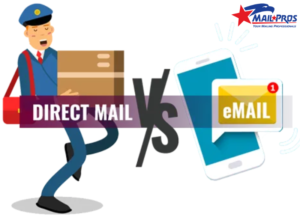

There is a distinct feeling when you open your mailbox and hold a physical piece of mail. Unlike an email that can be deleted with a swipe, or a digital ad we have trained our brains to ignore, direct mail has a tangible presence. It occupies real space in your home and demands a moment of your time. For business owners, that moment is a golden opportunity, but capitalizing on it requires more than just a printer and postage. It requires a deliberate, strategic approach.
At MailProsUSA, we have seen firsthand that the difference between a campaign that ends up in the recycling bin and one that drives sales usually comes down to planning. We work with business owners every day who are eager to grow, but they often rush the process. A successful mailing isn’t an accident; it is the result of understanding your market, respecting the logistics, and delivering a message that matters.
Define Your Objectives Before Designing a Pixel
The most common mistake we see businesses make is diving straight into the visuals before establishing the goal. We all love seeing a beautiful design come to life, but a postcard without a purpose is just art, not marketing. Before you worry about fonts or colors, you need to ask yourself what “success” looks like for this specific campaign. Are you trying to get old customers to return, or are you hunting for brand-new leads?
Your objective dictates every other decision you will make. If you are looking for immediate sales, your copy needs to be urgent and offer-heavy. If you are building long-term brand awareness, you might focus more on storytelling and imagery. We often refer clients to our guide on Direct Mail Marketing to help them understand the fundamental mechanics of the channel. Once you have a clear “why,” the “how” becomes much easier to manage.
Pinpoint Your Ideal Audience to Maximize Budget
The days of “spray and pray”—mailing everyone in a ten-mile radius and hoping for the best—are largely behind us. While saturation mailing has its place, modern data allows for incredible precision. You want to ensure your marketing budget is being spent on people who are actually likely to buy from you. Sending a pool cleaning offer to an apartment complex is a waste of money that could have been used to reach a homeowner with a pool.
By utilizing Targeted Direct Mail Marketing, we can filter recipients based on specific demographics such as household income, age, home ownership, and even purchasing behavior. This ensures that your message lands in the right hands. Quality data is the backbone of high ROI; a smaller list of highly qualified prospects will almost always outperform a massive list of random addresses.
Another powerful strategy involves timing your outreach around life events. For example, when someone moves into a new home, they are in a prime spending window for services like landscaping, internet, and furniture. Our New Movers Direct Mail services allow you to reach these potential customers before they have formed loyalties to your competitors. Being the first to welcome them to the neighborhood often secures a customer for life.
Crafting a Message That Resonates and Converts
Once you have your audience, you have to grab their attention fast. You typically have about three seconds while a person stands over their trash can sorting mail. If your piece feels flimsy or looks cluttered, it gets tossed. This is where the physical nature of mail matters. The weight of the paper and the quality of the finish send subconscious signals about the quality of your business.
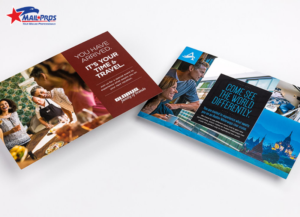
We encourage clients to explore Customized Direct Mail options to break the pattern. A unique size, a textured finish, or a bold headline can be the difference between getting read or getting recycled. The content itself should be customer-centric. Instead of listing ten things you do, focus on the one big problem you solve for them. Empathy wins in marketing; show them you understand their pain points and have a solution.
Integrating Physical Mail with Digital Touchpoints
One of the biggest misconceptions is that direct mail is “old school” and doesn’t play nice with modern tech. The reality is quite the opposite. The most successful campaigns we run today are hybrid approaches that use mail to drive digital engagement. You should never send a piece of mail into a vacuum; it should be part of a larger ecosystem.
With tools like Direct Mail Plus, we can integrate your offline efforts with online tracking. By using QR codes, personalized URLs (PURLs), and digital retargeting, we can track exactly who scanned your mailer and then serve them follow-up ads on social media. This multi-touch approach reinforces your message and significantly increases conversion rates by meeting the customer where they are.
Selecting the Right Format for Your Campaign
The format of your mail piece should align with your message and your budget. A postcard is excellent for a quick, punchy offer, while a letter in an envelope feels more personal and formal. If you aren’t sure which format suits your goals, browsing through our Direct Mail Marketing can give you a visual idea of the possibilities.
Certain industries require very specific formats due to the nature of their messaging. For instance, during election seasons, candidates often need larger formats to display platforms and disclaimers clearly. Our Political Campaign Services are designed to handle these time-sensitive, high-volume needs. Regardless of the industry, the format must be chosen strategically to support the content, not just because it is the cheapest option.
Execution, Tracking, and Refining
After the design is approved and the mail is dropped, the work isn’t finished. You must track your results. Did the phone ring? Did the coupon codes get redeemed? We love sharing our Success Stories because they highlight the importance of measurement. If you don’t track the results, you can’t improve the next mailing.
Marketing is an iterative process. You might find that one neighborhood responded better than another, or that a “10% off” offer worked better than “Free Shipping.” These insights are invaluable. You need a partner who can help you navigate the logistics, from CASS certification (address verification) to postage discounts, ensuring flawless execution.
If you are ready to get started but feel overwhelmed by the logistics, that is what we are here for. You can learn more about our team and our philosophy at About Us. We believe in taking the burden off business owners so they can focus on handling the new leads we help generate.
FAQs
How far in advance should I plan my direct mail campaign?
We generally recommend starting the conversation at least 3 to 4 weeks before you want the mail to land in homes. This allows ample time for list procurement, design revisions, printing, and the actual USPS delivery time. Rushing the design phase is where most mistakes happen, so giving yourself a buffer reduces stress and improves quality.
Do I need to have my own mailing list, or can you provide one?
You do not need your own list. While mailing to your current customer database is highly effective for retention, we can procure targeted mailing lists for you if you are looking for new clients. We can filter these lists by geography, income, home value, and consumer interests to ensure you are reaching the right prospects.
What is a “good” response rate for direct mail?
Response rates vary wildly by industry and offer, but a typical benchmark for a prospect list (new people) is around 1% to 3%. For a house list (people who already know you), it can be significantly higher. However, we always tell clients to focus on ROI (Return on Investment) rather than just response rate. One high-value client can often pay for the entire campaign.
Why is my mail piece rejected by the post office?
The USPS has very strict guidelines regarding aspect ratios, address placement, and indicia (postage mark) location. If a designer doesn’t know these rules, a mail piece can be rejected or charged a higher postage rate. Working with a professional service ensures your design meets all automation requirements before it ever hits the press.
Can I track who actually opens or reads my mail?
While we can’t put a camera in someone’s living room, we can get very close to tracking engagement. By using unique coupon codes, dedicated call-tracking phone numbers, or QR codes that lead to specific landing pages, we can measure exactly how many people took action after receiving your piece. This data is crucial for refining future campaigns.
Conclusion
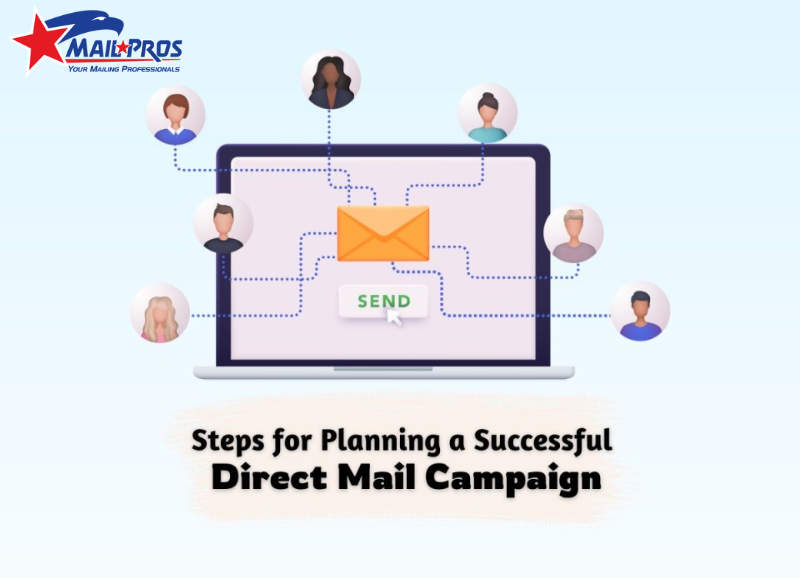
Planning a successful direct mail campaign is a journey that moves from strategic thinking to creative execution and finally to logistical precision. It is not about simply sending paper; it is about sending a message that resonates with a human being. When done correctly, it builds trust and drives action in a way few other channels can.
We hope this guide has demystified the process for you. For more tips, trends, and industry insights, be sure to check out our Blog. If you have a project in mind or just want to brainstorm the best approach for your business, please Contact Us today. Let’s make your next campaign a success.