Email Marketing vs. Direct Mail: Which Channel Should Your Business Use?

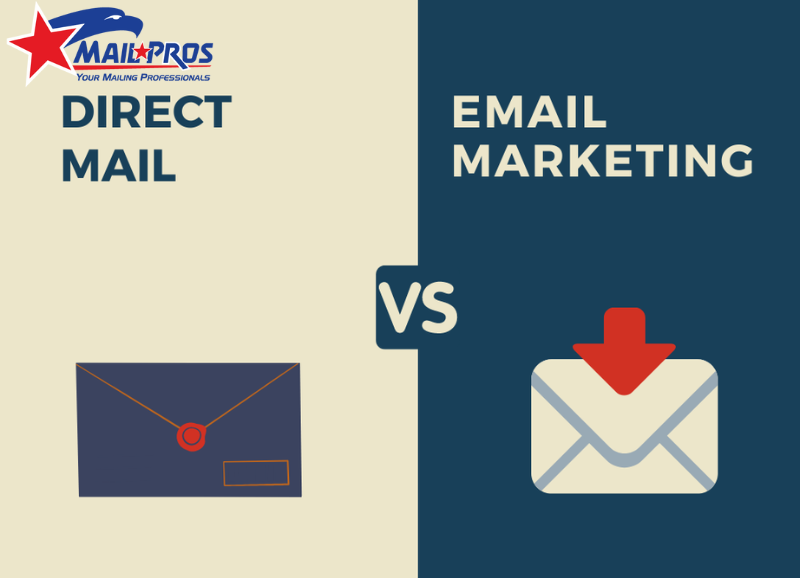
Businesses comparing email marketing vs. direct mail need to know which channel can reach the right audience without wasting budget. Audience quality, timing, offer value, trust, and the desired response all affect the decision.
Email is built for speed, frequent communication, and automated follow-up. Printed mail is better suited to physical visibility, local coverage, and offers that benefit from a tangible presentation. Neither channel is automatically the better investment. The stronger option is the one that fits the campaign objective and can be measured accurately.
Email Marketing vs. Direct Mail at a Glance
| Factor | Email Marketing | Direct Mail |
|---|---|---|
| Delivery | Usually immediate | Requires production and postal delivery |
| Cost structure | Lower distribution cost | Includes printing and postage |
| Targeting | Relies on a usable email list | Uses customer data, prospect lists, or routes |
| Best use | Updates, lead nurturing, and reminders | Local outreach, acquisition, and reactivation |
| Measurement | Clicks, leads, sales, and unsubscribes | QR scans, codes, calls, landing pages, and sales |
What Is Email Marketing?
Email marketing sends messages to customers and prospects through their inboxes. Businesses use it for newsletters, promotions, reminders, product updates, event invitations, and customer retention.
Its main advantage is flexibility. Campaigns can be launched quickly, segmented by audience, and automated after a purchase, form submission, renewal date, or inactive period.
However, an email campaign is only as strong as its contact data and deliverability. Invalid addresses increase bounce rates. Irrelevant messages lead to unsubscribes. Weak subject lines reduce attention before the offer is seen.
Commercial messages in the United States must follow the FTC’s CAN-SPAM compliance requirements. Businesses should use accurate sender details, truthful subject lines, a valid postal address, and a working opt-out process. Bulk senders must also consider current Google email sender guidelines when delivering to Gmail accounts.
What Is Direct Mail Marketing?
Direct mail marketing sends printed materials to residential or business addresses. Common formats include postcards, letters, self-mailers, brochures, catalogs, menus, coupons, and invitations.
Recipients can keep the piece, share it, carry a coupon to a store, or return to it later.
Targeting can begin with a customer file, a prospect list, business data, or a selected delivery area. MailProsUSA explains how targeted mailing lists can narrow an audience by location, household characteristics, interests, or business information.
EDDM reaches eligible addresses across selected carrier routes, while a named list gives greater control over recipients. Compare EDDM and targeted mailing lists before selecting a local mailing strategy.
Key Differences Between Email and Direct Mail
Speed and Timing
Email works well for deadline reminders, schedule changes, short promotions, and follow-up after a recent customer action.
A mailing campaign needs more lead time for data, artwork, printing, and postal delivery. Plan backward from the intended in-home date.
Attention and Presentation
Email competes with other inbox messages, so sender recognition, the subject line, and mobile layout matter.
Printed material must earn attention during a fast mailbox review. The headline, offer, imagery, and response instructions need to work together. Strong direct mail design gives each element a clear purpose instead of crowding the piece with every service and detail.
Audience Reach
Email depends on a reliable email list. It is effective for subscribers, customers, leads, and people who have already interacted with the business.
Postal outreach can reach customers, households, and businesses within a defined area. Updated addresses and relevant selection criteria matter more than list size.
Measurement
Email platforms report clicks and website activity, but conversions, sales, qualified leads, and acquisition cost provide a clearer view.
Printed campaigns require a response mechanism. A unique QR code, landing page, coupon, extension number, or trackable phone line can support campaign attribution. This guide to direct mail campaign tracking explains how those tools connect a mailpiece to measurable actions.
When Email Marketing Is the Better Choice?
Email is generally the stronger primary channel when a business needs frequent, low-cost communication with an audience it already knows. It is suitable for:
- Lead nurturing
- Customer onboarding
- Appointment and renewal reminders
- Product or service updates
- Ecommerce follow-up
- Short-notice promotions
Before sending, remove invalid contacts, separate active customers from older subscribers, and use one primary call to action.
When Direct Mail Is the Better Choice?
Physical mail is often stronger when location, visibility, perceived value, or household reach matters more than immediate delivery. It is useful for:
- Grand openings and local events
- Home-service promotions
- Real estate farming
- Customer reactivation
- New mover campaigns
- High-value purchases with longer decision cycles
Choose the audience and offer before selecting a format. A restaurant may need a postcard coupon, while a financial service may need a detailed letter. Format should follow purpose.
How to Choose Between Email and Direct Mail?
Use five questions:
- Is the audience already in a clean, permission-based email database?
- Does the offer need to reach a geographic area?
- How quickly must the message arrive?
- Is the customer value high enough to support printing and postage?
- Which response can be tracked most reliably?
A dental practice opening a second location, for example, may mail nearby households while emailing existing patients. Each channel reaches a different group while supporting the same goal.
This is where email marketing vs. direct mail becomes a planning decision rather than a simple cost comparison.
How to Use Both Channels Together?
Multichannel marketing works best when every touchpoint has a separate job. A connected campaign may follow this sequence:
- Email current customers with the initial offer.
- Mail a postcard to qualified prospects or selected neighborhoods.
- Direct both audiences to the same campaign landing page.
- Send an email reminder near the deadline.
- Compare response rate, conversion rate, revenue, and acquisition cost by source.
Keep the offer and deadline consistent, but use separate tracking codes for each channel.
Businesses that need print and digital touchpoints coordinated through one campaign can review Direct Mail Plus.
How to Improve Campaign Performance?
Build Around One Offer
State the benefit, eligibility, response method, and deadline. Multiple offers weaken the decision.
Match the List to the Objective
Use customer history, geography, demographics, or firmographics only when relevant. Broad reach is not a substitute for audience fit.
Keep the Response Path Short
Use a focused landing page and request only the information needed for the next step.
Test One Meaningful Variable
Test the offer, audience, format, headline, or call to action. Changing several major elements at once prevents a clear conclusion.
Evaluate Business Outcomes
Clicks, scans, and calls show activity, but they do not confirm return on investment. Review qualified leads, completed purchases, revenue, profit, cost per acquisition, and repeat business.
Frequently Asked Questions
Is Direct Mail Better Than Email Marketing?
Direct mail may be better for geographic targeting, acquisition, and offers that benefit from a physical format. Email may be better for rapid communication, automation, and repeated contact with subscribers. The right choice depends on audience access, value, timing, and measurement.
Is Email Marketing Cheaper Than Direct Mail?
Email usually has a lower distribution cost, but software, design, data maintenance, deliverability, and staff time still matter. Compare cost per qualified lead or sale, not cost per message.
Does Direct Mail Work for Small Businesses?
Yes. It works best when the service area, audience, offer, and response method are clearly defined.
How Can Direct Mail Results Be Tracked?
Use a unique coupon code, QR code, landing page, call-tracking number, personalized URL, or source field in the sales process. Track response rate and conversion rate separately because not every inquiry becomes a customer.
Should a Business Use Email and Direct Mail Together?
Yes, when both support the same goal. Keep the message consistent while giving each contact a distinct purpose.
Conclusion
The decision between email marketing vs. direct mail should begin with the audience, not the channel. Email supports fast delivery, marketing automation, and ongoing customer communication. Printed mail expands geographic reach, creates a physical brand presence, and reaches prospects who may not be available through an email list.
Choose one measurable offer, define the audience, establish a response method, and set the metrics before launch. When both channels are appropriate, connect them through consistent creative and separate tracking.
MailProsUSA helps businesses plan, design, print, target, and mail campaigns across the United States. Share the campaign goal, target market, quantity, timing, and offer with the MailProsUSA team to receive practical guidance and a custom quote for the next mailing.