Why Direct Mail Marketing Is More Powerful Than Email Marketing

We all do it. You wake up, roll over, grab your phone, and before your eyes have fully focused, you are already deleting emails. Swipe left, swipe left, delete all. In the span of thirty seconds, a dozen businesses have been erased from your day without you even reading their subject lines. As a professional in the marketing industry, I see this digital fatigue happening constantly. It is the biggest hurdle business owners face today: how do you get heard in a world that is constantly shouting?
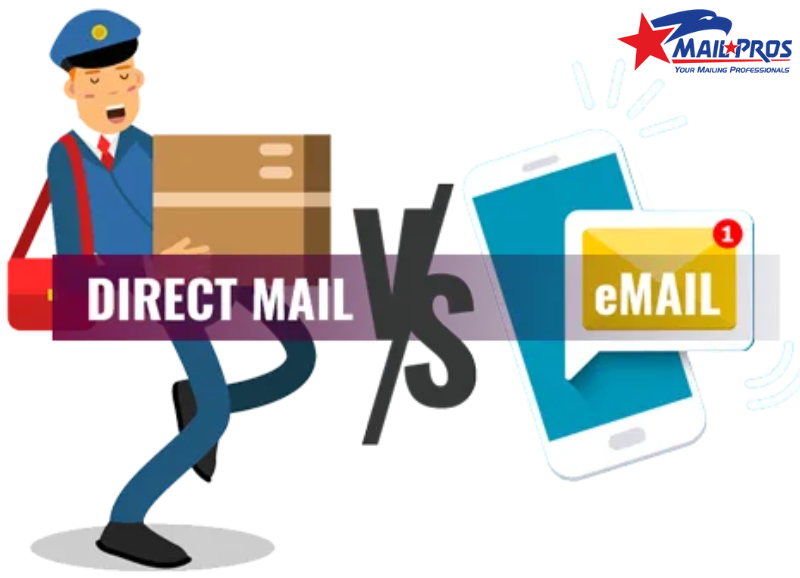
While email marketing certainly has its place for quick updates, it is becoming increasingly difficult to build a brand or drive significant sales solely through an inbox. This is where the tactile power of print changes the game. At MailProsUSA, we have watched the pendulum swing back. Business owners are realizing that while email is cheap and fast, direct mail is memorable and trustworthy. There is a psychological weight to holding a physical offer that pixels on a screen simply cannot replicate.
The Battle for Attention: Overcoming Digital Fatigue
The average person receives over 100 business emails a day. If your marketing strategy relies entirely on email, you are fighting a losing battle for attention against newsletters, spam, and urgent work messages. The inbox is a place of stress and clutter. In contrast, the physical mailbox is a much quieter environment. When a prospect walks to their mailbox, the competition is significantly lower.
This lack of congestion allows your message to breathe. When we discuss comprehensive Direct Mail Marketing Services, we aren’t just talking about printing ink on paper; we are talking about securing a moment of undivided attention. When someone picks up your postcard, they have to physically interact with it to decide what to do with it. That split second of tactile engagement creates a neurological connection that scrolling past an email never will.
Tangibility Builds Trust and Credibility
There is an old saying in our industry: “You can’t hack a postcard.” In an age of phishing scams, malware, and endless spam filters, consumers have become skeptical of digital links. An email from an unknown sender often triggers a defensive reaction. However, a high-quality, physical mail piece implies legitimacy. It signals that a business has the resources and stability to invest in postage and printing.
This trust factor is amplified when the mail piece feels personal. We often see businesses make the mistake of sending generic blasts, but when you utilize Customized Direct Mail, the game changes. Using variable data to include the recipient’s name or reference their specific neighborhood demonstrates care. It transforms the piece from “junk mail” into a personalized invitation, drastically increasing the likelihood of a positive response.
Longevity: The “Fridge Factor” vs. The Deleted Folder
Think about the lifespan of an email. If it isn’t opened within an hour or two, it is likely buried forever. Now, think about a well-designed mailer. If it is relevant—perhaps a menu, a service coupon, or a real estate market update—it doesn’t just get read; it gets kept. We call this the “Fridge Factor.”
I have visited clients’ homes and seen magnets or postcards we printed months ago still pinned to their refrigerators or sitting on their kitchen counters. This lingering presence keeps your brand top-of-mind. For local businesses trying to dominate a specific area, Targeted Direct Mail Marketing ensures your brand becomes a household name. You simply cannot achieve that kind of persistent visibility with an email that disappears into the void of the “Promotions” tab.
Hitting Consumers During Major Life Transitions
One area where direct mail completely outperforms email is in reaching people during life transitions, specifically moving. When someone buys a new home, their email address doesn’t change, so you have no way of knowing digitally that they are now in the market for furniture, landscaping, or insurance. However, public records change immediately.
By leveraging New Movers Direct Mail, you can place your offer in a new homeowner’s hands right when they are most desperate for services. These are people who are actively looking to spend money to set up their new lives. An email blast cannot identify these high-intent buyers with the same precision and timeliness as a triggered mail campaign.
Integration: Making Print and Digital Work Together
It is important to note that this isn’t an “all or nothing” choice. The most powerful marketing strategies use direct mail to drive digital action. We often advise clients to view direct mail as the heavy lifter that initiates the relationship. Once the physical mail has grabbed their attention, you can direct them online.
This is the philosophy behind Direct Mail Plus. By integrating technologies like QR codes and Informed Delivery, we can track exactly who scans your mailer and then retarget them with digital ads. This omni-channel approach boosts conversion rates significantly because the prospect sees you in their mailbox and on their newsfeed, reinforcing your message across different platforms.
Validating Your Partner’s Expertise
Because direct mail involves an upfront financial investment compared to email, choosing the right partner is critical. You need a provider who understands data, design, and postal regulations. A rookie mistake in the layout can cost you hundreds in extra postage or result in the mail being undeliverable.
I always encourage business owners to look at a company’s track record. Reviewing our Success Stories can give you an idea of how different industries leverage mail to solve problems that email couldn’t fix. Furthermore, knowing who you are working with matters. Our About Us page highlights the experience and dedication we bring to every project, ensuring that your marketing dollars are treated with respect.
FAQs
Is direct mail vastly more expensive than email marketing?
On a per-piece basis, yes, direct mail costs more due to printing and postage. However, the metric that matters is Cost Per Acquisition (CPA). Because direct mail has significantly higher open and response rates than email (which often sits at a 1-2% click-through rate), the return on investment for mail is often higher. You pay more to get in the door, but you are much more likely to make the sale.
Can I use direct mail if I don’t have a customer list?
Absolutely. This is one of the biggest advantages of mail over email. With email, you generally need permission to send messages (due to anti-spam laws). With direct mail, you can purchase targeted lists based on demographics, or use Every Door Direct Mail (EDDM) to target specific neighborhoods without needing any names at all.
How do I know if my direct mail campaign is working?
Tracking is easier than ever. We recommend using “offer codes” (e.g., “Enter code SAVE20”), unique phone numbers for tracking calls, or QR codes that lead to a specific landing page. This allows you to attribute sales directly to the physical mail piece, just as you would track clicks on a digital ad.
Why not just use social media ads instead?
Social media is powerful, but it is fleeting. A user scrolls past an ad in milliseconds. Direct mail is tactile; it requires physical interaction. Furthermore, direct mail allows you to reach demographics that may not be active on social media, such as seniors or high-net-worth individuals who value privacy and traditional communication.
How often should I send direct mail?
Consistency is key. One-off mailings rarely yield maximum results. We typically recommend a “drip” campaign where prospects receive mailings every 4 to 6 weeks. This builds familiarity. By the third time they see your logo in their mailbox, you have established brand recognition, which drastically lowers sales resistance.
Conclusion: Cutting Through the Noise
In a world obsessed with speed and automation, direct mail stands out because it is real, tangible, and deliberate. While email marketing is struggling with saturation and low engagement, direct mail continues to deliver impressive ROI by reaching customers in a space where they are actually paying attention. It builds trust, remains in the home longer, and targets high-value prospects with precision.
If you are tired of shouting into the digital void and want to see how a tangible strategy can grow your business, we are here to help. Reach out to us via our Contact Us page to start a conversation. For more insights on marketing trends and strategies, feel free to explore our Blog. Sometimes, looking back at a traditional method is the best way to move your business forward.