
Reduce Monthly Churn With Smarter Subscription Box Fulfillment


A recurring customer judges more than the product inside the package. The experience includes whether the correct items arrive, whether the order leaves on time, whether tracking works, and how quickly a mistake is fixed. That is why subscription box fulfillment can influence the decision to renew each month.
Fulfillment cannot rescue a weak product or poor pricing, but it can remove avoidable reasons to cancel.
Why Fulfillment Problems Turn Into Churn?
Every recurring shipment is another promise. One delay may be forgiven, but repeated late deliveries, missing products, damage, or poor tracking can make the next charge harder to justify.
Order fulfillment problems usually reach customers through dispatch timing, picking accuracy, stock availability, and communication. Good order management records the cause behind each exception. Without that detail, a business sees churn but cannot identify which operational problem deserves attention.
Make Delivery Predictable Before Making It Faster
Speed helps, but consistency often matters more for recurring products. A parcel arriving in three days, one month, and nine days the next creates uncertainty even when the average transit time looks acceptable.
Brands that have outgrown manual packing can compare storage, picking, inventory tracking, and distribution through Mail Pros USA’s warehousing and fulfillment support.
Set a clear dispatch promise. Define the order cutoff, carrier handoff target, weekend rules, and exceptions. Shipping services should be judged against that promise, not simply by the cheapest label rate.
A fulfillment center also needs a backup process for missed pickups, bad addresses, weather disruption, and carrier capacity problems.
Treat Accuracy as a Renewal Metric
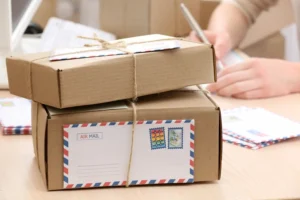
Multi-item recurring orders create more opportunities for mistakes. A missing sample, wrong variation, or incorrect insert can change how the entire delivery is perceived.
Use a locked bill of materials for every version. Barcode verification, weight checks, and reference photos can catch common packing errors.
Subscription box fulfillment services need accuracy standards based on the complete order. Four correct items and one wrong item should still count as a failure. Compare next-cycle renewal for clean shipments against orders that needed replacement. That makes subscription box fulfillment accuracy a retention measure.
Reserve Inventory Before Orders Are Released
Recurring demand is partly visible in advance. Stock planning should happen before kitting begins, not after a renewal batch has already been released.
Inventory management should separate available stock from units reserved for renewals. Forecasts should account for active members, skips, promotions, supplier lead time, damaged stock, and a practical safety buffer.
E-commerce fulfillment becomes fragile when the storefront says an item exists, but the warehouse cannot allocate it. Teams tightening those controls can use the product fulfillment planning guide to review SKU data, packing standards, integrations, returns, and service expectations before changing providers or processes.
Recover Quickly When an Order Goes Wrong
No warehouse eliminates every exception. Retention is often influenced by what happens after the mistake.
A late order should enter an exception queue before the customer has to ask about it. A wrong or damaged shipment needs a clear path from verification to replacement, credit, customer update, and root-cause review.
A fulfillment company should show who owns each exception and how long resolution takes. Order management should connect support and warehouse records so the same issue is not investigated twice.
A mistake that takes ten minutes to verify but four days to resolve creates a much larger customer problem than the original packing error. Recovery time deserves its own retention metric.
Protect the Product and Use Inserts With Purpose
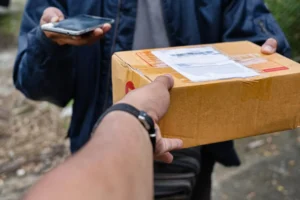
Packaging first has to protect the order. Crushed cartons, broken seals, leaking containers, loose products, or heat damage can wipe out the value of an otherwise correct shipment.
A box fulfillment provider should document carton choice, cushioning, item orientation, sealing, and approved substitutions. Testing should use the real product mix.
Printed material can support retention when it gives the customer something useful. A usage tip, reorder reminder, referral card, or preview of the next release can fit naturally into a recurring shipment. Brands using short in-box cards can consider postcard printing for customer inserts when they need a consistent format.
The insert should earn its place in the package. Extra promotional material that adds no useful information can make an otherwise thoughtful unboxing experience feel cluttered.
Give Customers Useful Shipment Visibility
Customers should not need to contact support to learn whether an order left the warehouse or when it should arrive.
E-commerce shipping communication should cover order confirmation, carrier acceptance, meaningful tracking changes, delays, and delivery. Avoid sending a “shipped” message when only a label has been created.
Subscription box fulfillment works better when tracking completeness is measured beside dispatch performance. The second review of shipping services should examine lost parcels, failed delivery attempts, address problems, and missing scans.
More notifications are not the goal. Useful information at the right moment is. A delay message sent before the promised delivery date can manage expectations better than an apology sent after the customer has already contacted support.
Connect Fulfillment Data With Cancellation Data
Monthly churn shows the outcome, not the cause. The useful question is whether customers who experienced an operational problem renewed at a different rate from those who did not.
Build a compact scorecard with on-time handoff, order accuracy, damage, replacements, inventory-related delays, tracking success, resolution time, and next-cycle renewal status.
Warehouse fulfillment data becomes more useful when averages are split by SKU, version, weekday, carrier, and shipping method. Look for repeated bottlenecks rather than treating every delayed order as an isolated incident.
If delayed orders are building up, the order backlog prevention guide explains how to separate ready-to-ship work from orders blocked by stock, data, payment, or capacity.
Run a 30-Day Retention Test
Choose one upcoming billing cohort and record fulfillment history at the customer level. Tag cancellations with the previous cycle’s exceptions.
For one month, correct a single controllable failure. Reserve stock earlier, add a verification scan, tighten the carrier cutoff, validate addresses before release, or send delay notices sooner.
At the next renewal, compare affected and unaffected customers. Subscription box fulfillment becomes a measurable retention lever when an operational change can be connected with customer behavior rather than assumed to improve it.
The purpose of the test is not to prove that every cancellation came from logistics. It is to identify which preventable operational failures appear repeatedly before cancellations.
Choose a Partner Around the Actual Workflow

Not every fulfillment center is designed for synchronized recurring releases, multi-item kits, custom inserts, plan changes, and concentrated peak days.
Before requesting pricing, document volume, SKU count, versions, kitting steps, storage needs, cutoff times, returns, reporting, and escalation. A box fulfillment provider should demonstrate the workflow with a sample order.
Strong subscription box fulfillment services agreements define accuracy, processing time, stock reporting, issue ownership, and corrective action.
Some programs also need detailed in-box education. Product instructions, care information, or onboarding material may fit better in a compact guide. For those cases, booklet printing for in-box guides can add useful information without overcrowding the package.
Review the Right Metrics Every Month
Keep the monthly review focused. Check dispatch timing, error-heavy versions, stock-related delays, carrier exceptions, and replacement time.
Inventory management belongs alongside those answers because stock problems often surface as delivery delays. E-commerce shipping belongs in the same review because customers still experience carrier visibility after warehouse work is finished.
A fulfillment company should support those answers with records, not estimates. For subscription box fulfillment, add a second warehouse fulfillment check by comparing exception rates with renewal outcomes, not warehouse activity alone.
The goal is not a larger dashboard. It is a short list of measurements that shows where the customer experience is breaking and whether the correction actually improved the next cycle.
Frequently Asked Questions
How does subscription box fulfillment reduce monthly churn?
Subscription box fulfillment can reduce preventable churn by improving order accuracy, dispatch consistency, stock availability, package condition, tracking visibility, and exception recovery. Compare renewal behavior for customers with clean deliveries against customers who experienced fulfillment problems.
What fulfillment metric matters most for recurring orders?
Start with complete-order accuracy and on-time carrier handoff, then review damage, tracking success, inventory delays, and resolution time.
When should a business outsource order fulfillment?
Consider outsourcing when recurring batches exceed internal space or labor, inventory counts become unreliable, or dispatch commitments slip.
How is recurring fulfillment different from standard e-commerce fulfillment?
Standard online fulfillment often handles purchases continuously. Recurring programs may release large billing cohorts with fixed configurations, synchronized deadlines, kitting requirements, reserved stock, and a greater need to link delivery performance to renewals.
What should a business ask a fulfillment provider?
Ask about reserved inventory, kit accuracy, cutoffs, peak capacity, tracking, replacements, returns, reporting, and escalation. Require measurable service levels.
Conclusion
Churn has many causes, including product value, price, flexibility, and billing. Preventable delivery failures should not become another reason for a customer to leave.
Review one recent cohort before the next renewal. Identify the most common operational exception, compare renewal behavior among affected customers, and address that issue first. If recurring orders need tighter control over storage, kitting, packing, printed inserts, or distribution, Mail Pros USA can help build a more structured workflow around the actual volume, timing, and delivery requirements.