A Guide to Choose The Right Direct Mailing List For New Businesses

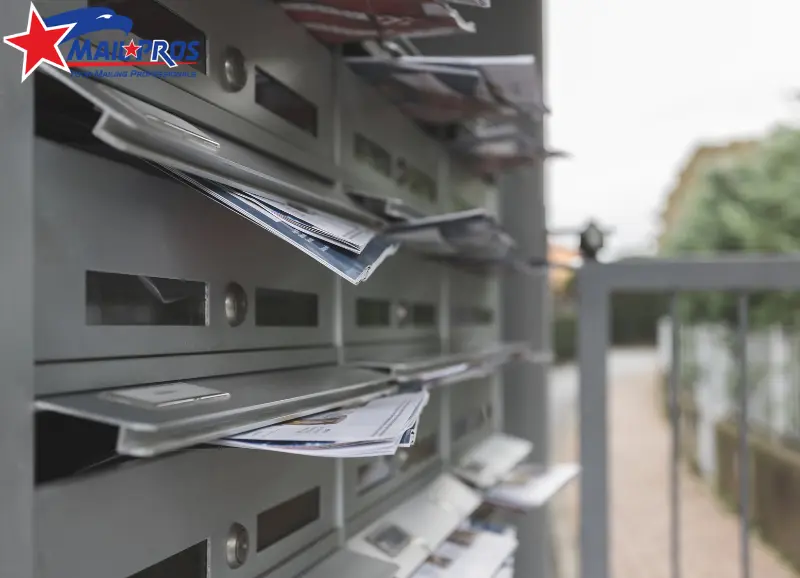
A new business with an attractive offer can be unsuccessful if mail pieces land in the hands of non-customers. Mail list impacts the message seen, the scope of the campaign, and ensures money is spent on customers with intent.
The right direct mailing list gives a first campaign a practical foundation. It helps a new brand avoid guessing, choose better neighborhoods, and send an offer that feels useful instead of random. Before design or printing begins, the audience should be clear.
Create A Buyer Profile Before Ordering Any Mailing Data
Ideal Customer Profile
Start with the customer most likely to respond. A dental office may focus on nearby families. A roof repair company may need older homes. A direct mailing list should reflect the buyer, the need, and the service area.
Practical Service Radius
A new company should not mail farther than it can serve well. A business mailing list is more useful when the selected area supports fast quotes, easy delivery, or convenient visits. Local reach usually beats wide reach at the launch stage.
Use A Simple Selection Framework For Better Targeting
Four-Point List Test
The best list is chosen through four checks. Define the buyer, choose the geography, match the campaign goal, and confirm data quality. This gives the direct mailing list a purpose before money is spent on print and postage.
Strong Campaign Fit
A good audience should connect naturally with the offer. New movers may need home services. Parents may notice family care. Local owners may respond to maintenance. A clear mailing list strategy helps keep the campaign focused from the first drop.
Use this quick check before approval:
- Who is most likely to buy?
- Where can the business serve quickly?
- Which offer fits the audience?
- How will responses be tracked?
Select The Right List Type For The Campaign Goal
Filtered Audience Lists
Targeted mailing lists are the better choice when the offer depends on specific traits. Home ownership, income range, property type, business category, and household stage can all guide smarter outreach without wasting impressions.
Full Area Coverage
Saturation mailing lists work when most people in a route could become customers. Restaurants, gyms, salons, auto shops, cleaners, and local retailers often need broad neighborhood awareness before they need deep filtering.
Review Geography Beyond Basic ZIP Code Targeting
Neighborhood Accuracy
Mailing lists by ZIP code are helpful, but ZIP codes can include very different streets. A new business should compare drive time, income patterns, home types, and competition before using a direct mailing list for a full area.
Carrier Route Control
A postal mailing list can be narrowed by USPS carrier routes, which often gives stronger neighborhood control than a broad ZIP code. For local campaigns, EDDM for local business marketing can also help businesses understand when full route coverage makes more sense than buying individual names.
Verify Data Quality Before The Campaign Goes To Print
Address Hygiene
Clean records matter. Ask if the file uses CASS processing, NCOA move updates, duplicate removal, and vacant address checks. Direct mailing lists should be judged by deliverability and relevance, not by the largest record count.
Source Transparency
A direct mail mailing list should come with clear information about the source, available filters, and postal readiness. Cheap data can become expensive once printing, postage, and missed opportunities are included.
Red flags to avoid:
- No update schedule
• No sample fields
• No address cleaning
• No clear data source
• No route or area control
Shape The Mail Piece Around The Selected Audience
Message Match
The list should influence the copy. A first-time homeowner needs a different reason to call than a restaurant owner. A direct mailing list gives clues about what to say, which benefit to lead with, and how local the message should feel.
Clear Response Path
Make the action simple. Single phone number, single QR code, single landing page, or single coupon code. A mailing list can be more effective if every reply can be linked to the segment you mailed.
Test Smaller Groups Before Expanding Campaign Volume
First Campaign Test: The first mailing should be treated like a field test. Choose a focused group, send a clear offer, then measure calls, scans, forms, and visits. Bulk mailing should come after the audience has shown signs of response.
Smarter Scaling: When a segment performs well, expand into nearby routes or similar customer groups. However, saturation mailing lists can support broader awareness, while filtered data can support lead generation. Scale what proves itself, not what only looks large.
Track Results And Refresh Data Before Every Repeat Mailing
Response Measurement: Track results by ZIP code, route, offer, and customer type. A direct mailing list should not be judged only by how many pieces were mailed. It should be judged by calls, quote requests, store visits, and actual revenue.
Updated Records: People move, homes sell, and businesses close. A fresh postal mailing list reduces waste and protects campaign accuracy. For repeat campaigns, updated data is not optional. It is part of responsible direct mail planning.
Frequently Asked Questions
How Should A New Business Choose A Local Audience?
Start with the buyer most likely to need the offer soon. Then choose a reachable area, review household or business traits, and keep the first campaign tight enough to measure. A direct mailing list should support real selling conditions.
How Direct Mail Lists Are Defined
What is a mailing list in direct mail marketing? It is a file of postal records selected for a campaign. It may include names, addresses, routes, companies, household traits, or location data used to plan delivery.
Are ZIP Code Lists Enough For A First Campaign?
Mailing lists by ZIP code are useful for planning, but they are not always precise enough. A single ZIP code can include mixed income levels, different property types, and areas that may not match the same offer.
When Should A Business Use Full Area Coverage?
Use full area coverage when most people in a route could respond. This works for restaurants, grand openings, repair services, gyms, and other local offers where broad visibility is valuable. Bulk mailing can help once the area is proven.
Why Do Some Mailing Lists Perform Better Than Others?
A clean, relevant file performs better because it reaches people who are more likely to care. Direct mailing lists with better filters, fresher addresses, and clear geography usually produce stronger learning from each campaign.
Conclusion
Choosing the right direct mailing list is not about buying the biggest file. It is about knowing the buyer, choosing the right area, checking the data, and matching the message to the audience. That is how a new business turns mail into measurable demand.
A business mailing list, direct mail mailing list, or mailing list direct order should always be reviewed before printing begins. MailProsUSA helps new businesses plan smarter local campaigns with cleaner targeting, better structure, and practical mailing guidance.